
Animal groupBird
Zoobitat’s Animal Field Guide
Meet the Kiwi Birds
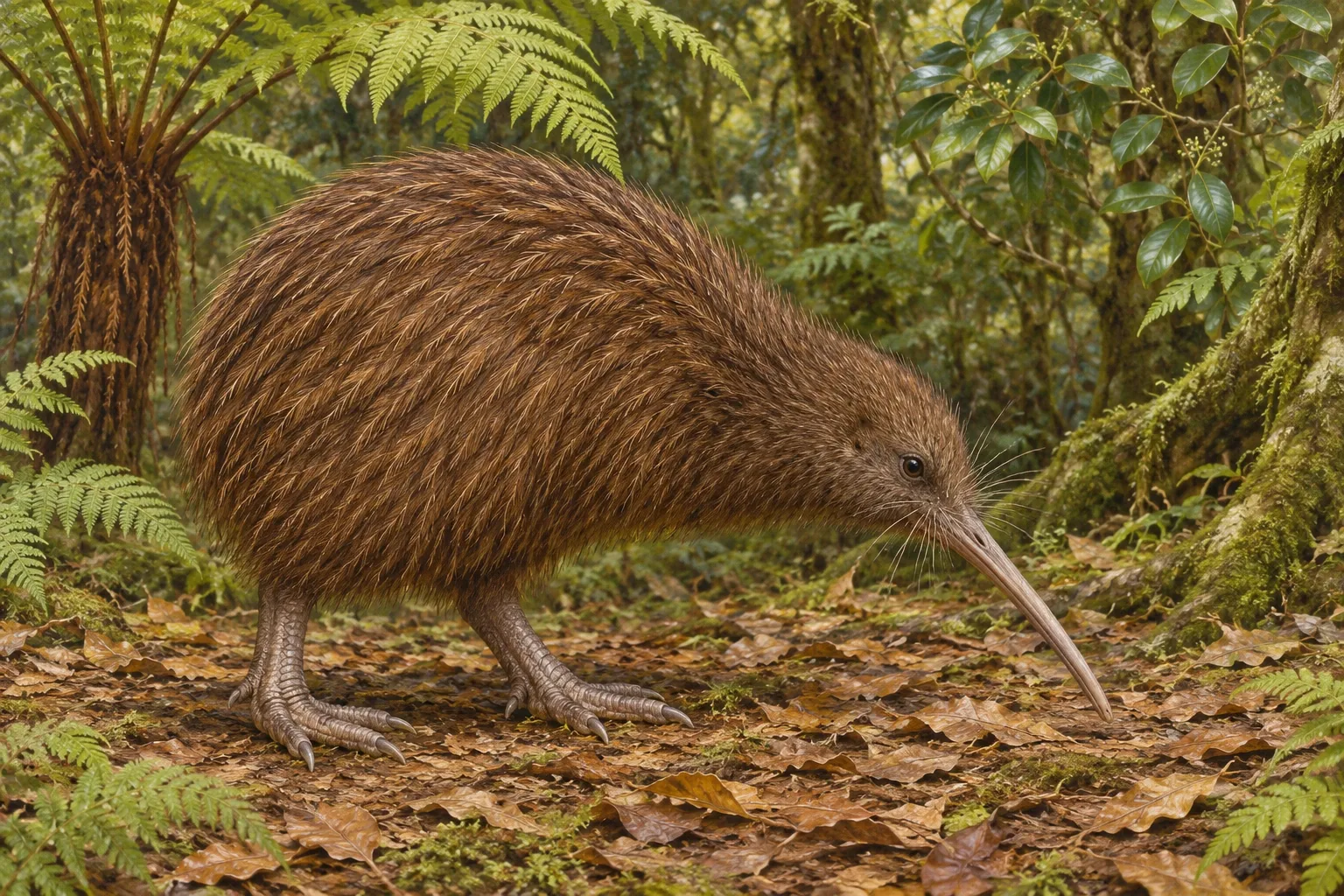
A long bill dips toward the leaf litter. Meet the kiwi, a flightless bird found only in New Zealand.

STEM.org AccreditedEducational wildlife learning for curious explorers ages 4–10
Featured video: The Kiwi Birds
Quick facts
Kiwi Birds Animal File
Scan the essentials, then explore each topic below.
HomeNative only to New Zealand; ranges differ among the five species
DietEarthworms, insects and other invertebrates, plus some fruit and seeds
Height35 to 65 centimeters (14 to 26 inches) adult group height range, from little spotted kiwi to large brown kiwi

Get to know kiwi birds
A Bird Built for the Ground
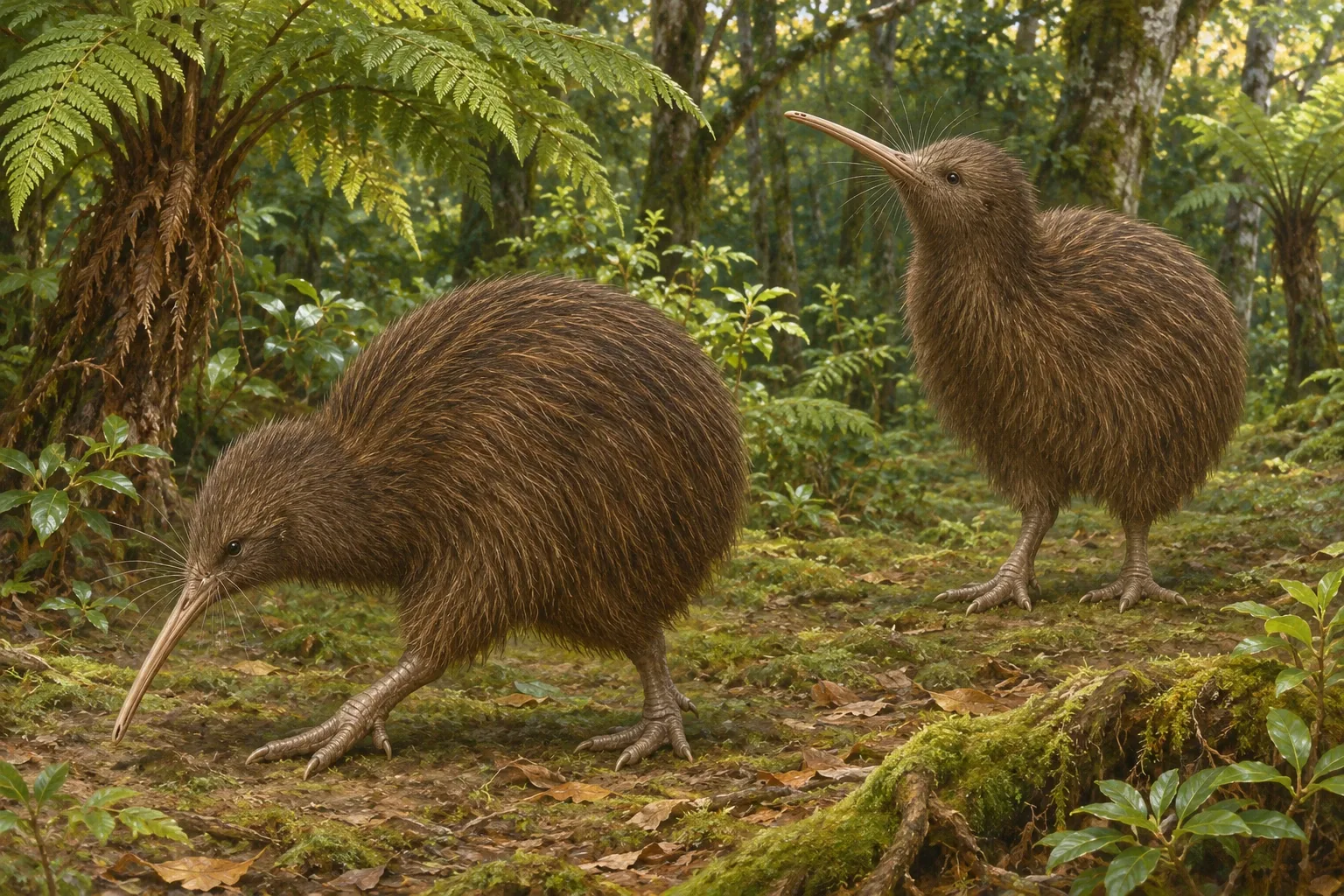
There are five living kiwi species. They include brown kiwi, great spotted kiwi, little spotted kiwi, rowi, and tokoeka.
Kiwi have shaggy feathers, strong legs, and tiny hidden wings. Most search for food at night, although some are active by day.
A Nose Near the Tip
A kiwi’s nostrils are near its bill tip. Its strong sense of smell helps it find food.
Wings Hidden Away
Kiwi cannot fly. Their tiny wings stay hidden beneath their shaggy feathers.
A Sheltered Rest
Kiwi can rest in burrows or hollow logs. These sheltered places help conceal them.
Five Different Species
Five kiwi species live in New Zealand. Little spotted kiwi are the smallest, with pale, mottled feathers.
Watch, listen & learn
Watch, Listen & Learn
Watch, listen and learn about the kiwi bird with Zoobitat.
Play & learn
Try the Kiwi Birds Challenge
Color a kiwi bird, build a forest and woodland edge habitat, then test what you learned in the quiz.
Try it now
Zoom with +/− or pinch on a touchscreen. Shift-drag to move on desktop.
Color the Kiwi Birds
Fill each area, draw your own details, or erase a change. The kiwi bird’s outlines always stay clear.
Try it now
Build a Forest and Woodland Edge Habitat
Drag the stickers anywhere in the landscape.
Habitat builder
Forest and Woodland Edge

Place pangolins where they can reach food and shelter, then add ants, a termite mound, a hollow log and leafy cover.
Try it now
Kiwi Birds Quick Quiz
Use what you learned in A Bird Built for the Ground. Get all three answers right to unlock your certificate!
0 of 3 correct
Question 1 of 3
1Where are a kiwi’s nostrils?
Your Kiwi Birds CertificateAnswer all three questions correctly, using what you learned above, to unlock it.

Why kiwi birds matter
Protect Kiwi Homes
Kiwi need safe places to forage and rest. Communities in New Zealand protect their habitats and reduce introduced predators.
- Learn about a New Zealand kiwi conservation project with a grown-up.
- Keep pets away from wildlife with a grown-up’s help.
- Share a drawing showing why kiwi need sheltered forest homes.
More From the Animal Field Guide
 Animal Field Guide
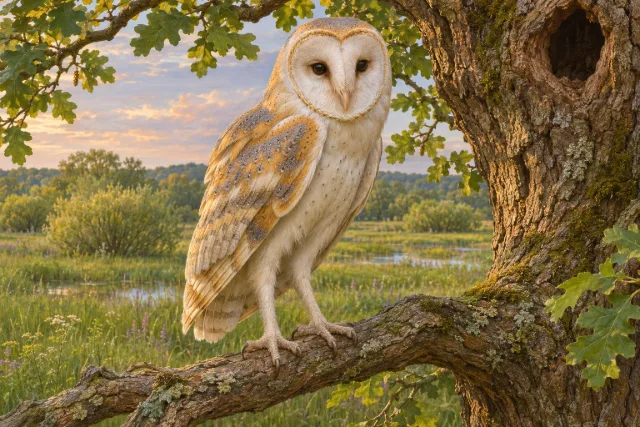
Barn Owl
Its heart-shaped face helps guide sound toward its ears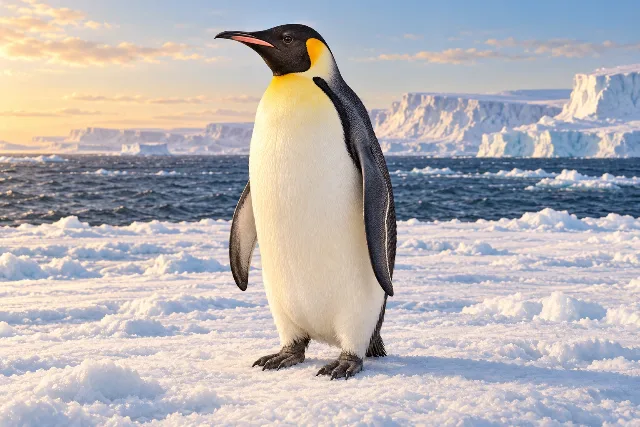 Animal Field Guide
Emperor Penguin
Emperor penguin fathers keep an egg warm on their feet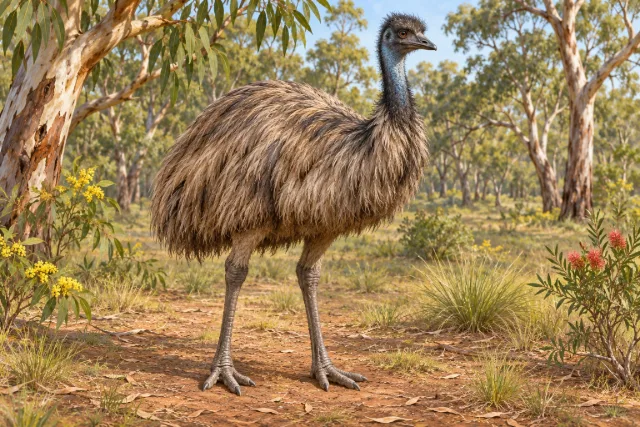 Animal Field Guide
Emu
A male emu cares for the eggs and striped chicks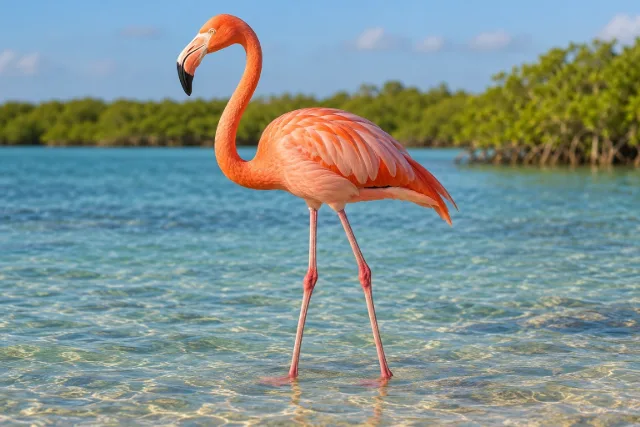 Animal Field Guide
Flamingo
A flamingo filters food with its bill upside down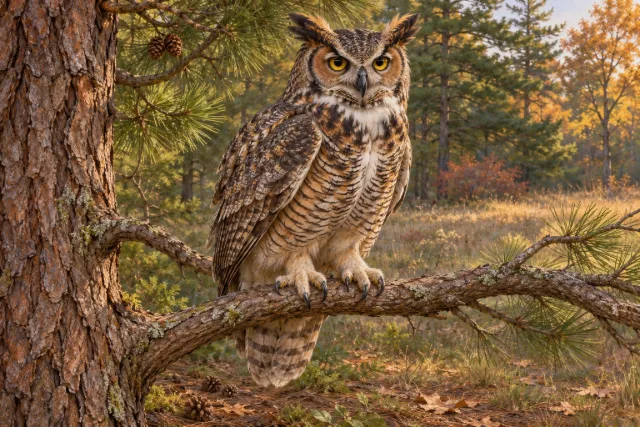 Animal Field Guide
Great Horned Owl
Its hornlike points are feather tufts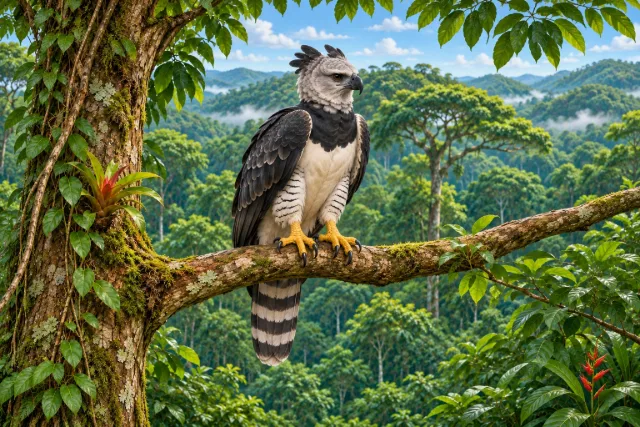 Animal Field Guide
Harpy Eagle
A harpy eagle can raise and lower its feather crest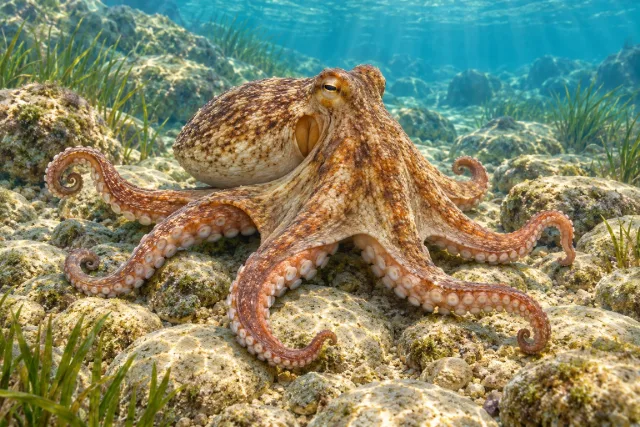 Animal Field Guide
Octopuses
Eight arms help octopuses explore their underwater world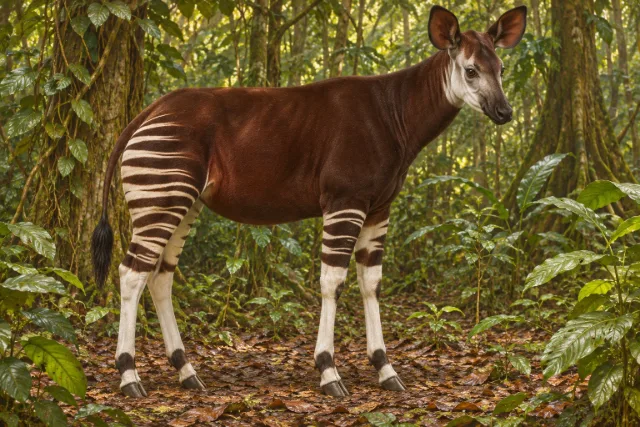 Animal Field Guide
Okapi
The okapi is a close living relative of giraffes

Lox says: There are more amazing animals and habitats waiting to meet you!
Grown-Up GuideLearning goals, privacy, standards, sources and more resources
For parents, caregivers & educators
Explore with confidence
This guide explains what children can learn, how the page approaches privacy, and where its kiwi bird information comes from.
✓ STEM.org Accredited✓ NGSS-aligned learning✓ COPPA-conscious design
Learning goals
Recognize flightless kiwi anatomy, bill-tip nostrils, five-species diversity, and sheltered ground habitats.
Try exploring together
- Point to the nostrils near the bill tip on the picture.
- Compare brown kiwi feathers with little spotted kiwi feathers.
- Draw a sheltered burrow and a leafy foraging area.
Privacy by design
This page uses a data-minimizing, COPPA-conscious approach. It does not ask children for a name, birthdate, email address, account, photo, voice recording, camera, microphone or precise location.
The games work without sign-in, media never autoplays, and embedded videos use YouTube’s privacy-enhanced domain.
Learn about COPPA at the FTC ↗STEM & NGSS connections
Zoobitat’s free wildlife and nature education program has earned the STEM.org Accredited™ Trustmark. This page supports observation, evidence-based discussion and life-science learning.
- 2-LS4-1: Compare the diversity of life in different habitats ↗
- 3-LS4-4: Explain how habitat change affects organisms ↗
Science sources
Kiwi Birds facts were checked against the following wildlife organizations and educational references:
- San Diego Zoo Wildlife Alliance ↗Whole-group height and mass ranges, hidden wings, four toes, burrows, variable daytime activity and feathers.
- Smithsonian National Zoo ↗Featured North Island brown kiwi: bill-tip nostrils, smell, earthworms and root or log shelters.
- New Zealand Department of Conservation ↗Five species, endemic range, community conservation and introduced predator threats.
- New Zealand Birds Online ↗Little spotted kiwi identification: pale brown-gray feathers finely mottled or banded with white, pale bill and legs.
- Save the Kiwi ↗Five recognized species, varied plumage and conservation situations; national categories are not IUCN categories.
More from Zoobitat
Keep exploring with free educational resources for families, caregivers and educators:
- Free Wildlife Exhibits Download educational exhibit artwork for zoos, aquariums, schools and community spaces.
- Educator Resources Explore free materials created for classrooms, homeschool learning and family discovery.
- Early Readers Meet wildlife through illustrated, kid-friendly Zoobitat Animal Rescue stories.
- Activity Books Continue learning with wildlife-themed puzzles, activities and creative challenges.
- Zoobitat Expeditions Follow conservation adventures and discover animals and habitats in the field.
- Meet the Hosts Discover the zoos, museums, aquariums and other organizations that have hosted Zoobitat’s free, museum-quality wildlife exhibits.
Media & accessibility record
Character and kiwi bird visuals are Zoobitat educational assets. Voiceovers require a deliberate play action. Interactive controls have descriptive labels and are keyboard accessible.
Picture credits: Zoobitat Studios, LLC.