
Animal groupBird
Zoobitat’s Animal Field Guide
Meet the Emu
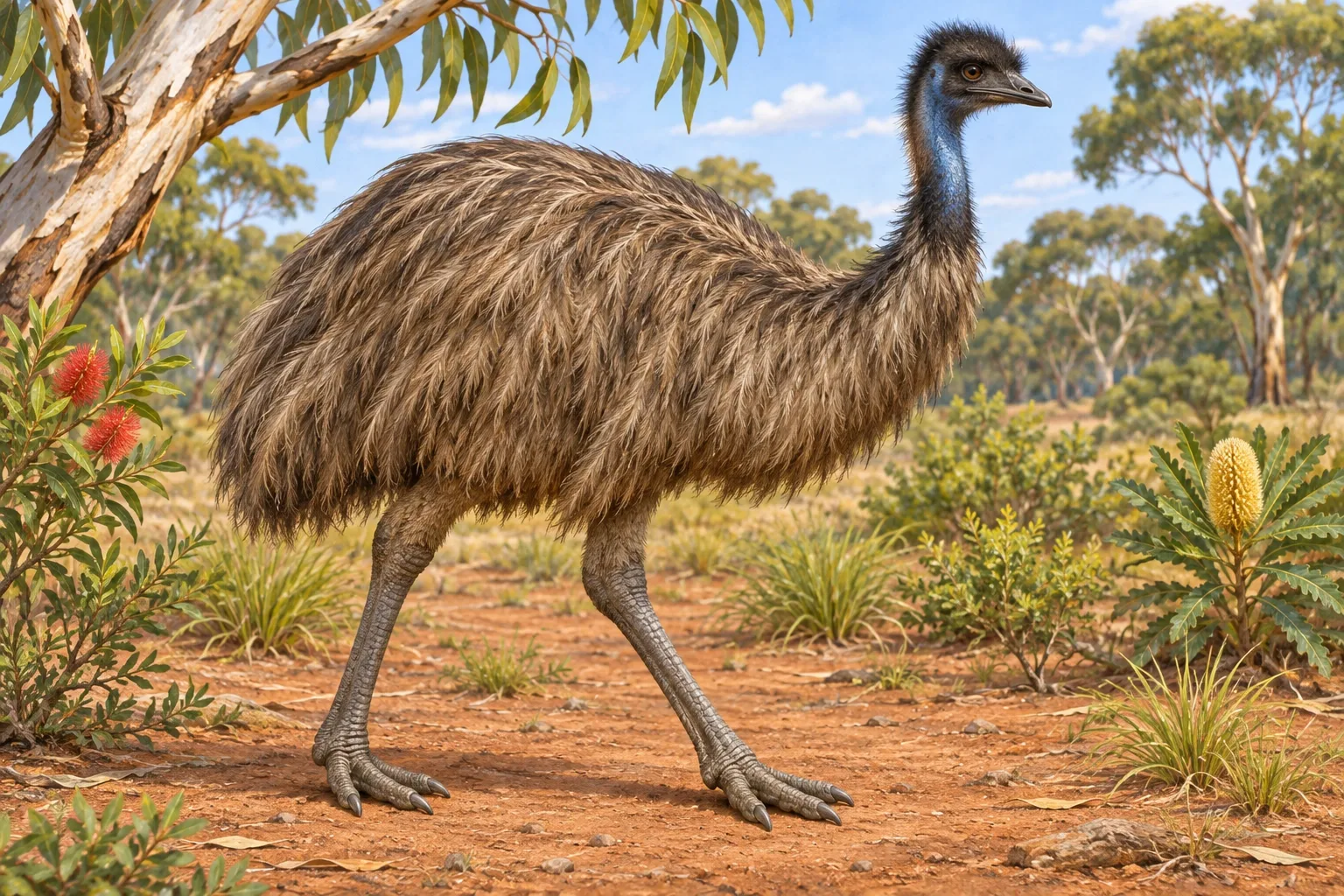
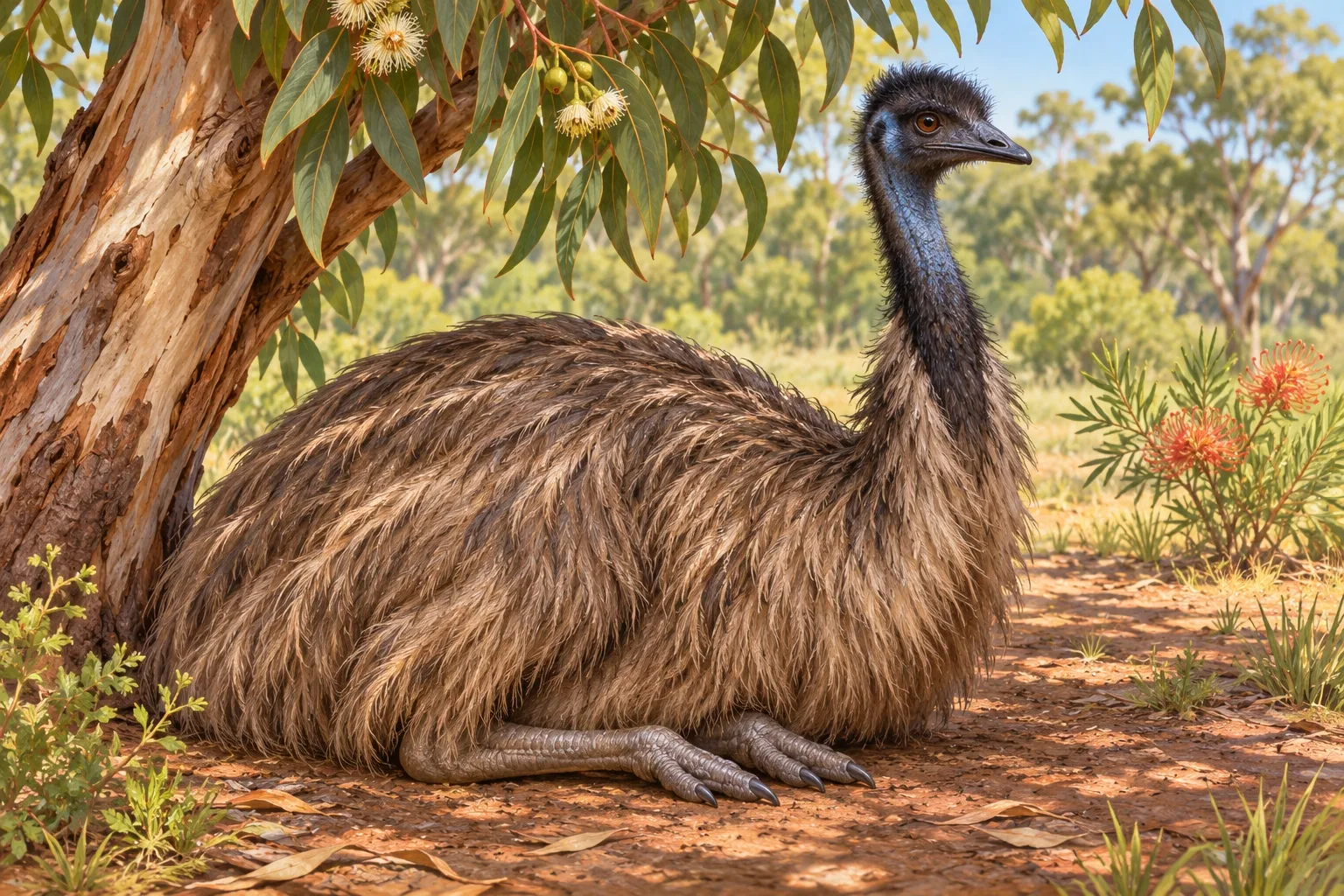
A tall, shaggy bird walks through the open Australian woodland. Meet the emu, with strong legs and three-toed feet.

STEM.org AccreditedEducational wildlife learning for curious explorers ages 4–10
Featured video: The Emu
Quick facts
Emu Animal File
Scan the essentials, then explore each topic below.
HomeOpen woodland and grassland across much of mainland Australia
DietSeeds, fruits, young plant shoots, insects, and other small animals
Height1.6 to 1.9 meters (5.2 to 6.2 feet) Typical adult erect standing height; the Australian Museum also lists a broader size range up to 2 meters (6.6 feet).
ConservationLeast Concern
Meet the emu
A Shaggy Australian Walker
Emus live across much of mainland Australia in open woodland and grassland. They cannot fly, but their strong legs carry them far. Adults are often alone, while chicks stay close to their father. Emus look for food during the day.
Adults commonly stand about 1.6–1.9 meters (5.2–6.2 feet) tall. Their reported adult weight is about 30–55 kilograms (66–121 pounds). Females are generally larger and heavier than males. Their food changes with the seasons.
Three Forward Toes
Each emu foot has three forward-facing toes. There is no toe pointing backward. Its strong legs and feet help this flightless bird move across the ground.
Shaggy Double Feathers
An emu’s body is covered with shaggy feathers. Each feather has two shafts growing from one base. The loose strands give the feathers a hairlike look.
Dad on Duty
A male emu sits on the eggs until they hatch. Then the father looks after the striped chicks. The chicks follow him as they grow.
A Booming Bird
A female emu can make a deep booming call. Male emus make different calls. These big birds use sounds to communicate with each other.
Explore its habitat: African Savanna
Watch, listen & learn
Watch, Listen & Learn
Watch, listen and learn about the emu with Zoobitat.
Play & learn
Try an Emu Challenge
Color an emu, build an Australian eucalypt woodland habitat, then test what you learned in the quiz.
Try it now
Zoom with +/− or pinch on a touchscreen. Shift-drag to move on desktop.
Color the Emu
Fill each area, draw your own details, or erase a change. The emu’s outlines always stay clear.
Try it now
Build an Australian Eucalypt Woodland Habitat
Drag the stickers anywhere in the landscape.
Habitat builder
Australian Eucalypt Woodland
Choose a sticker to begin building your Australian eucalypt woodland.
Try it now
Emu Quick Quiz
Use what you learned in A Shaggy Australian Walker. Get all three answers right to unlock your certificate!
0 of 3 correct
Question 1 of 3
1How many toes are on each emu foot?
Your Emu CertificateAnswer all three questions correctly, using what you learned above, to unlock it.
Why emus matter
Keep Woodland Homes Connected
Emus are globally listed as Least Concern, but local populations can face habitat loss. Protecting native woodland helps emus find food, water, and space. Their wandering also helps spread some plants’ seeds.
- Watch wild birds from a distance with a grown-up.
- Leave eggs and nests undisturbed.
- Keep litter out of natural places and waterholes.
- Learn about protecting Australia’s native woodland.
More From the Animal Field Guide
 Animal Field Guide
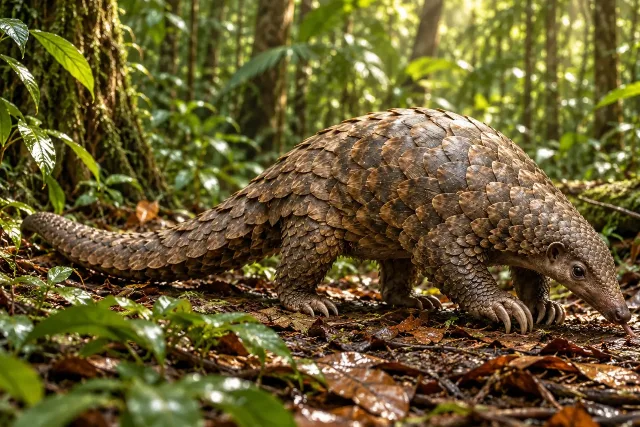
Pangolin
A scaly mammal that eats ants and termites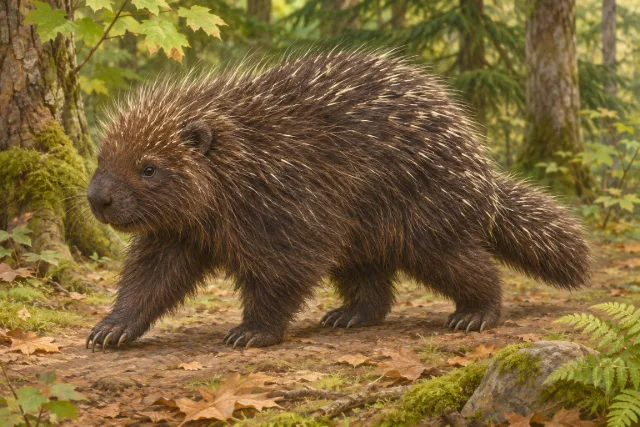 Animal Field Guide
Porcupines
Porcupines cannot shoot their quills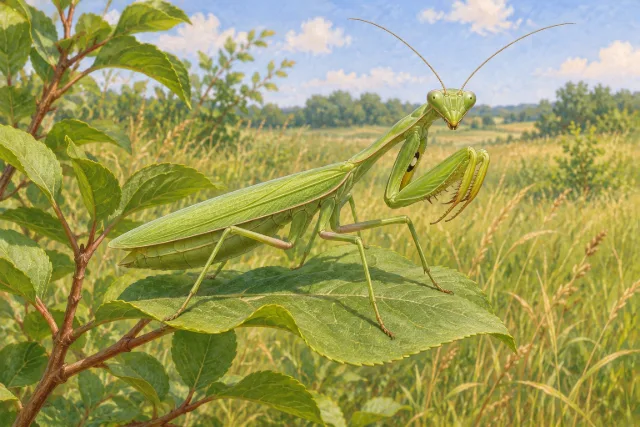 Animal Field Guide
Praying Mantis
A mantis can turn its triangular head while keeping its body still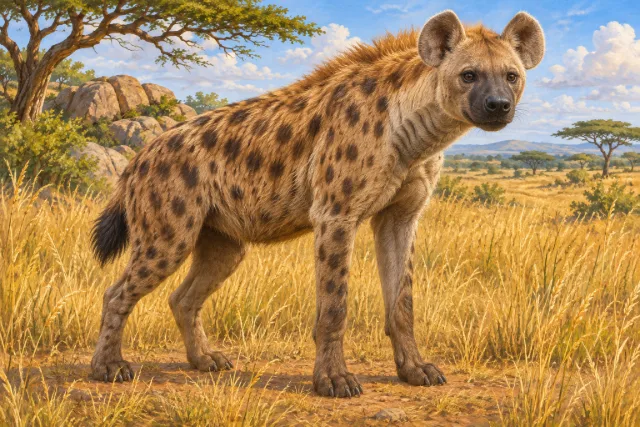 Animal Field Guide
Spotted Hyena
A whoop helps clan members find one another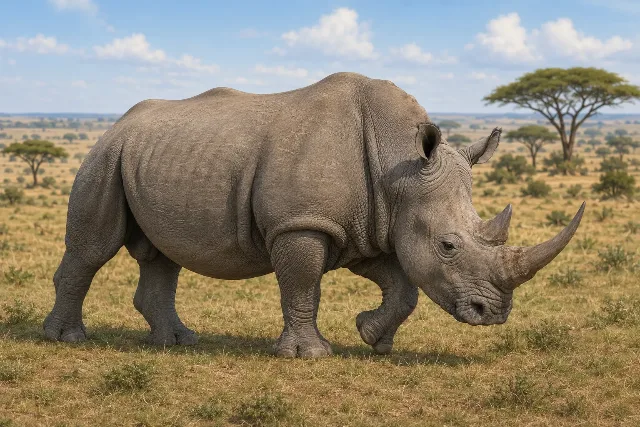 Animal Field Guide
White Rhino
White rhinos are gray and have wide mouths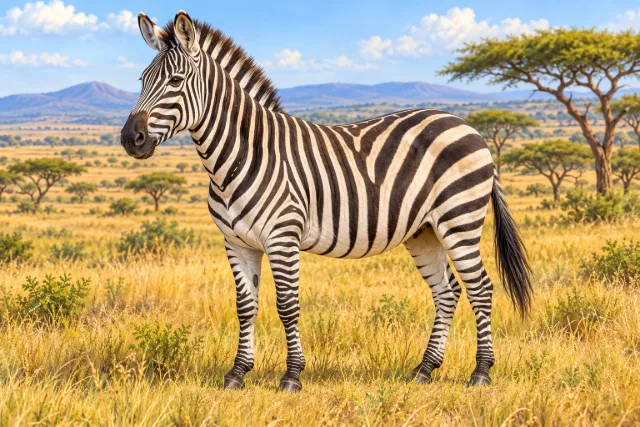 Animal Field Guide
Zebra
Every zebra has its own stripe pattern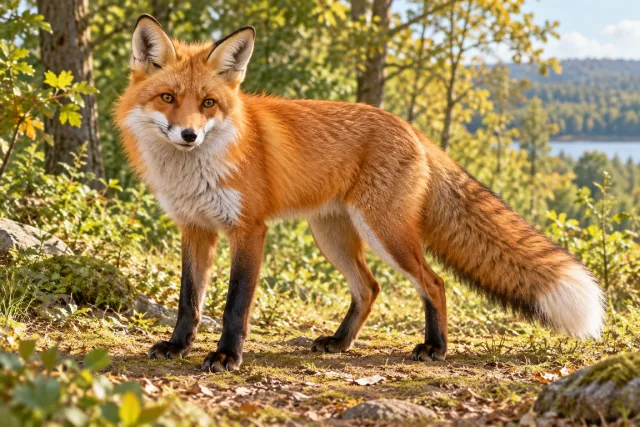 Animal Field Guide
Red Fox
Red foxes can listen for tiny animals hidden in grass Animal Field Guide
Red Panda
A fluffy tail helps a red panda balance and stay warm
Lox says: There are more amazing animals and habitats waiting to meet you!
Grown-Up GuideLearning goals, privacy, standards, sources and more resources
For parents, caregivers & educators
Explore with confidence
This guide explains what children can learn, how the page approaches privacy, and where its emu information comes from.
✓ STEM.org Accredited✓ NGSS-aligned learning✓ COPPA-conscious design
Learning goals
Children discover three-toed feet, double-shafted feathers, male parenting, booming calls, and Australian woodland habitats.
Try exploring together
- Count three forward toes on each foot in the picture.
- Compare the emu’s shaggy body feathers with a flying bird’s smooth feathers.
- Walk three slow steps together, pretending to be an emu.
Privacy by design
This page uses a data-minimizing, COPPA-conscious approach. It does not ask children for a name, birthdate, email address, account, photo, voice recording, camera, microphone or precise location.
The games work without sign-in, media never autoplays, and embedded videos use YouTube’s privacy-enhanced domain.
Learn about COPPA at the FTC ↗STEM & NGSS connections
Zoobitat’s free wildlife and nature education program has earned the STEM.org Accredited™ Trustmark. This page supports observation, evidence-based discussion and life-science learning.
- 2-LS4-1: Compare the diversity of life in different habitats ↗
- 3-LS4-4: Explain how habitat change affects organisms ↗
Science sources
Emu facts were checked against the following wildlife organizations and educational references:
- Australian Museum — Emu ↗Australian range, three forward-facing toes without a hind toe, shaggy plumage, standing height and mostly solitary adults.
- San Diego Zoo Wildlife Alliance — Emu ↗Double-shafted feathers, daytime foraging and acacia seed food. The page’s erroneous overseas range statement and conflicting chick-care duration were not used.
- BirdLife Australia — Emu ↗Male incubation and care of striped chicks, open woodland habitat, global Least Concern status and habitat threats.
- Smithsonian National Zoo — Emu ↗Female booming calls versus male calls, small wings, fresh-water access, seeds and shoots. Conflicting mass figures were not used.
- Taronga Conservation Society — Emu ↗Adult mass range, flightlessness, woodland and savanna habitat, and seed dispersal.
More from Zoobitat
Keep exploring with free educational resources for families, caregivers and educators:
- Free Wildlife Exhibits Download educational exhibit artwork for zoos, aquariums, schools and community spaces.
- Educator Resources Explore free materials created for classrooms, homeschool learning and family discovery.
- Early Readers Meet wildlife through illustrated, kid-friendly Zoobitat Animal Rescue stories.
- Activity Books Continue learning with wildlife-themed puzzles, activities and creative challenges.
- Zoobitat Expeditions Follow conservation adventures and discover animals and habitats in the field.
- Meet the Hosts Discover the zoos, museums, aquariums and other organizations that have hosted Zoobitat’s free, museum-quality wildlife exhibits.
Media & accessibility record
Character and emu visuals are Zoobitat educational assets. Voiceovers require a deliberate play action. Interactive controls have descriptive labels and are keyboard accessible.
Picture credits: Zoobitat Studios, LLC.