

Animal groupBird
Zoobitat’s Animal Field Guide
Meet the Harpy Eagle
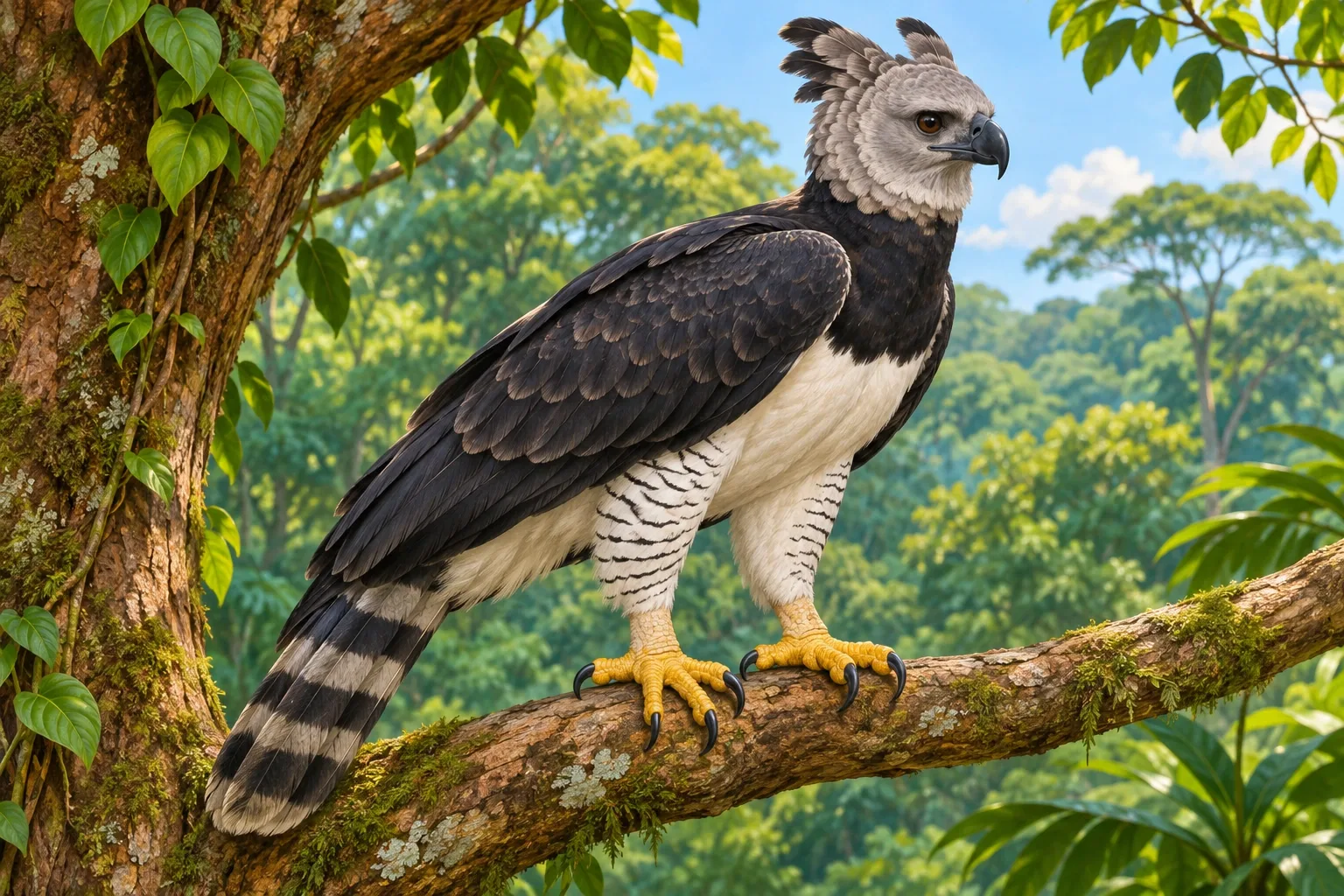
Look up into the rainforest trees. A harpy eagle watches from a branch, with a feather crown above its face.

STEM.org AccreditedEducational wildlife learning for curious explorers ages 4–10
Featured video: The Harpy Eagle
Quick facts
Harpy Eagle Animal File
Scan the essentials, then explore each topic below.
HomeTropical lowland forests from southern Mexico through Central America to northern Argentina
DietTree-dwelling mammals, especially sloths and monkeys
Height0.89 to 1.05 meters (2.9 to 3.4 feet) Reported adult height; females are generally larger.
ConservationVulnerable


Meet the harpy eagle
A Crown Above the Canopy
Harpy eagles live in tropical forests in Central and South America, and southern Mexico. They are active during the day. Their food includes sloths and monkeys. Breeding adults form long-term pairs.
Adults stand about 89–105 centimeters (35–41 inches) tall. Females weigh about 6.3–9 kilograms (14–20 pounds). Males weigh about 3.8–5.4 kilograms (8.4–12 pounds). Both have a gray head, dark upperparts, and a white belly.
A Movable Crown
A harpy eagle has a crest of long feathers on its head. It can raise its crest or lower it. These feathers give this eagle its striking look.
Wings for the Forest
A harpy eagle has short, broad wings for its size. They help it move between rainforest trees. Its long tail helps it steer.
Feathers That Help Hearing
Small feathers form a disk around a harpy eagle’s face. Raised feathers help guide sounds toward its ears. Hearing helps this daytime hunter find animals among the trees.
A Nest High Above
Harpy eagles build large stick nests in very tall trees. A young eagle stays near its nest for many months. Its parents keep bringing food while it learns.
Explore its habitat: Tropical Rainforest
Watch, listen & learn
Watch, Listen & Learn
Watch, listen and learn about the harpy eagle with Zoobitat.
Play & learn
Try a Harpy Eagle Challenge
Color a harpy eagle, build a tropical rainforest habitat, then test what you learned in the quiz.
Try it now
Zoom with +/− or pinch on a touchscreen. Shift-drag to move on desktop.

Color the Harpy Eagle
Fill each area, draw your own details, or erase a change. The harpy eagle’s outlines always stay clear.
Try it now
Build a Tropical Rainforest Habitat
Drag the stickers anywhere in the landscape.
Habitat builder
Tropical Rainforest

Place the animals near the food, shelter, water, and perches they might use.
Try it now
Harpy Eagle Quick Quiz
Use what you learned in A Crown Above the Canopy. Get all three answers right to unlock your certificate!
0 of 3 correct
Question 1 of 3
1What can a harpy eagle raise on its head?
Your Harpy Eagle CertificateAnswer all three questions correctly, using what you learned above, to unlock it.


Why harpy eagles matter
Keep Tall Forests Standing
Harpy eagles are Vulnerable, and their numbers are declining. Protecting tropical forests gives them nesting trees and animals to eat. Many other forest creatures benefit, too.
- Use both sides of drawing paper when you can.
- Ask a grown-up to help you learn about forest conservation.
- Watch wildlife from a distance and leave nests undisturbed.
- Keep learning about the animals that share rainforest homes.
More From the Animal Field Guide
 Animal Field Guide
Wild Rabbits
Strong hind legs let rabbits hop and turn quickly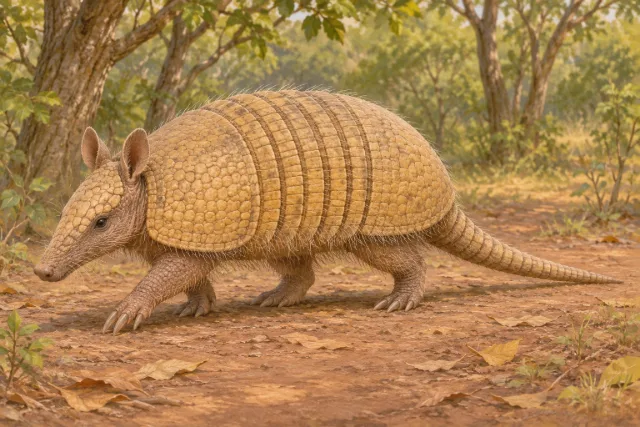 Animal Field Guide
Armadillos
Only three-banded armadillos roll into a complete ball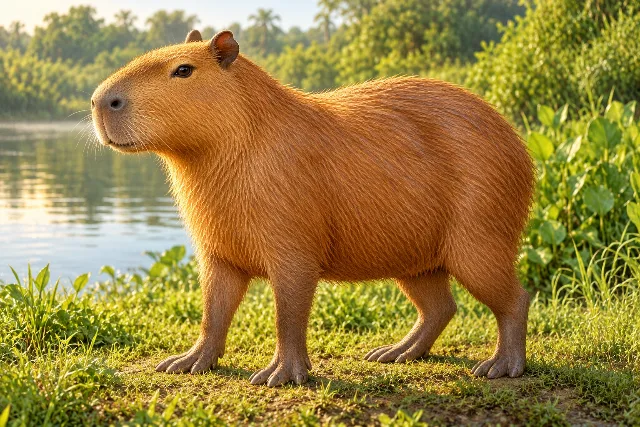 Animal Field Guide
Capybara
Capybaras are the largest rodents alive today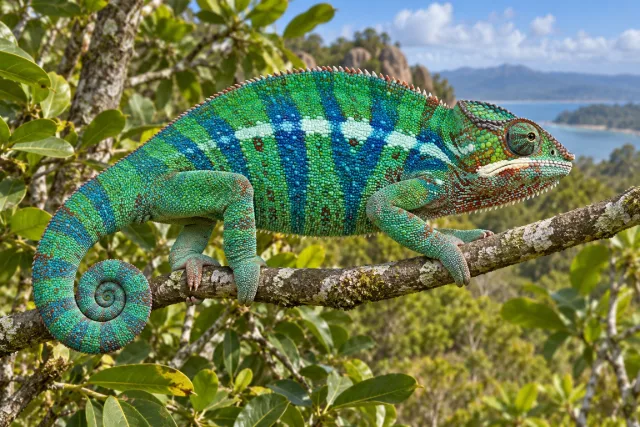 Animal Field Guide
Chameleon
Eyes that can look in different directions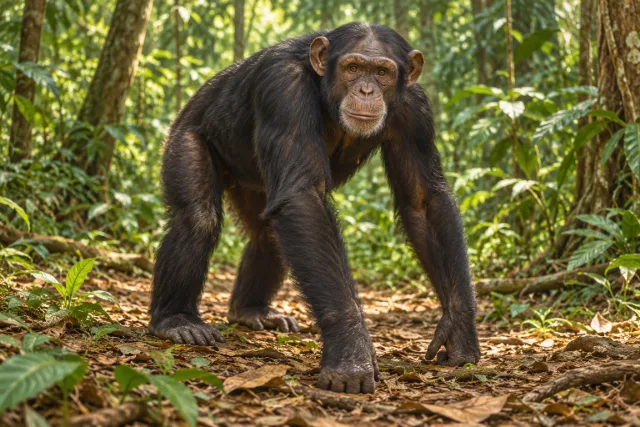 Animal Field Guide
Chimpanzee
Some chimpanzees use slender sticks to gather termites Animal Field Guide
Cougar
Cougar, puma, and mountain lion name the same cat species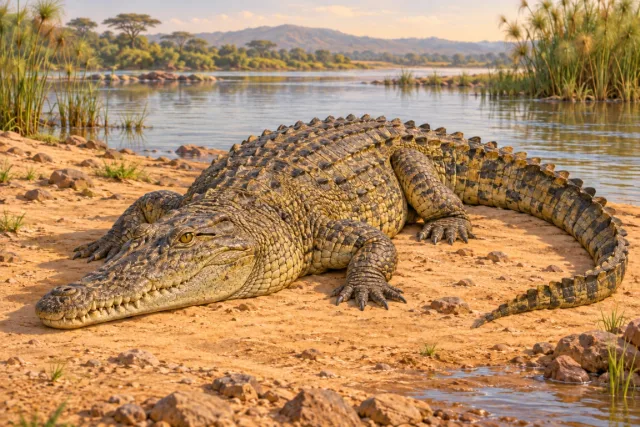 Animal Field Guide
Crocodiles
Crocodiles can hear their babies calling from inside eggs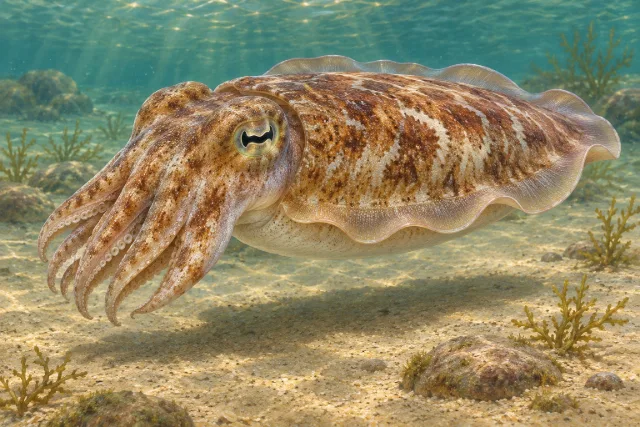 Animal Field Guide
Cuttlefish
Cuttlefish can change their skin’s color, pattern, and texture

Lox says: There are more amazing animals and habitats waiting to meet you!
Grown-Up GuideLearning goals, privacy, standards, sources and more resources
For parents, caregivers & educators
Explore with confidence
This guide explains what children can learn, how the page approaches privacy, and where its harpy eagle information comes from.
✓ STEM.org Accredited✓ NGSS-aligned learning✓ COPPA-conscious design
Learning goals
Children explore crest feathers, forest flight, sound-guiding facial feathers, tall nesting trees, and rainforest conservation.
Try exploring together
- Raise your hands above your head like a feather crest.
- Compare the eagle’s broad wings with a long, narrow seabird wing.
- Build a pretend nest from fallen twigs, leaving wild nests alone.
Privacy by design
This page uses a data-minimizing, COPPA-conscious approach. It does not ask children for a name, birthdate, email address, account, photo, voice recording, camera, microphone or precise location.
The games work without sign-in, media never autoplays, and embedded videos use YouTube’s privacy-enhanced domain.
Learn about COPPA at the FTC ↗STEM & NGSS connections
Zoobitat’s free wildlife and nature education program has earned the STEM.org Accredited™ Trustmark. This page supports observation, evidence-based discussion and life-science learning.
- 2-LS4-1: Compare the diversity of life in different habitats ↗
- 3-LS4-4: Explain how habitat change affects organisms ↗
Science sources
Harpy Eagle facts were checked against the following wildlife organizations and educational references:
- The Peregrine Fund — Harpy Eagle ↗Daytime activity, facial disk and hearing, movable crest, lowland forest range and conservation.
- San Diego Zoo Wildlife Alliance — Harpy Eagle ↗Adult height and sex-specific mass, calls, kapok nesting trees and plumage. Exaggerated superlatives were not used.
- National Aviary — Harpy Eagle ↗Short broad wings, forest flight, large stick nests and young.
- University of Michigan — Harpy Eagle ↗Long-term breeding pairs, hooked bill, yellow feet, black talons and barred tail. Older conservation status was not used. Sanctuary Pair represents breeding partners; adults often forage separately.
- IUCN Red List — Harpy Eagle ↗Official indexed global assessment: Vulnerable, decreasing, assessed 6 August 2021; metadata checked November 2026.
- Miranda 2018 — Harpy Eagle Prey ↗Primary research documents sloth prey, including Bradypus variegatus in the literature table.
More from Zoobitat
Keep exploring with free educational resources for families, caregivers and educators:
- Free Wildlife Exhibits Download educational exhibit artwork for zoos, aquariums, schools and community spaces.
- Educator Resources Explore free materials created for classrooms, homeschool learning and family discovery.
- Early Readers Meet wildlife through illustrated, kid-friendly Zoobitat Animal Rescue stories.
- Activity Books Continue learning with wildlife-themed puzzles, activities and creative challenges.
- Zoobitat Expeditions Follow conservation adventures and discover animals and habitats in the field.
- Meet the Hosts Discover the zoos, museums, aquariums and other organizations that have hosted Zoobitat’s free, museum-quality wildlife exhibits.
Media & accessibility record
Character and harpy eagle visuals are Zoobitat educational assets. Voiceovers require a deliberate play action. Interactive controls have descriptive labels and are keyboard accessible.
Picture credits: Zoobitat Studios, LLC.