
Animal groupMammal
Zoobitat’s Animal Field Guide
Meet the Cougar
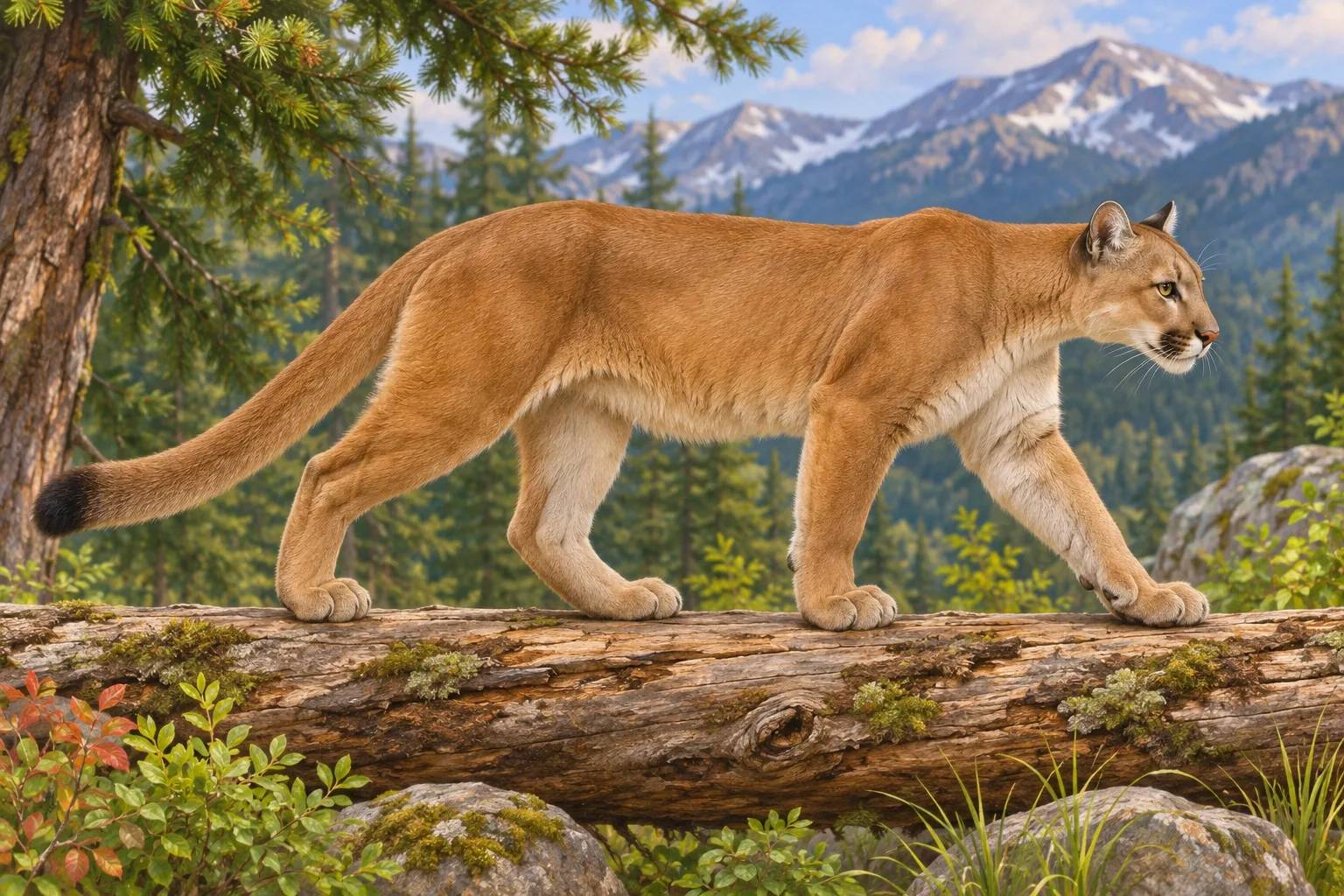
A tan cat steps quietly across a rocky slope. Its long tail follows behind. Meet the cougar.

STEM.org AccreditedEducational wildlife learning for curious explorers ages 4–10
Featured video: The Cougar
Quick facts
Cougar Animal File
Scan the essentials, then explore each topic below.
HomeFrom western Canada through parts of the Americas to southern South America
DietDeer and other mammals, including elk and smaller prey
Length1 to 1.5 meters (3.3 to 4.9 feet) Typical adult head-and-body length, excluding the tail; tail adds about 0.6–0.9 meters (2–3 feet).
ConservationLeast Concern
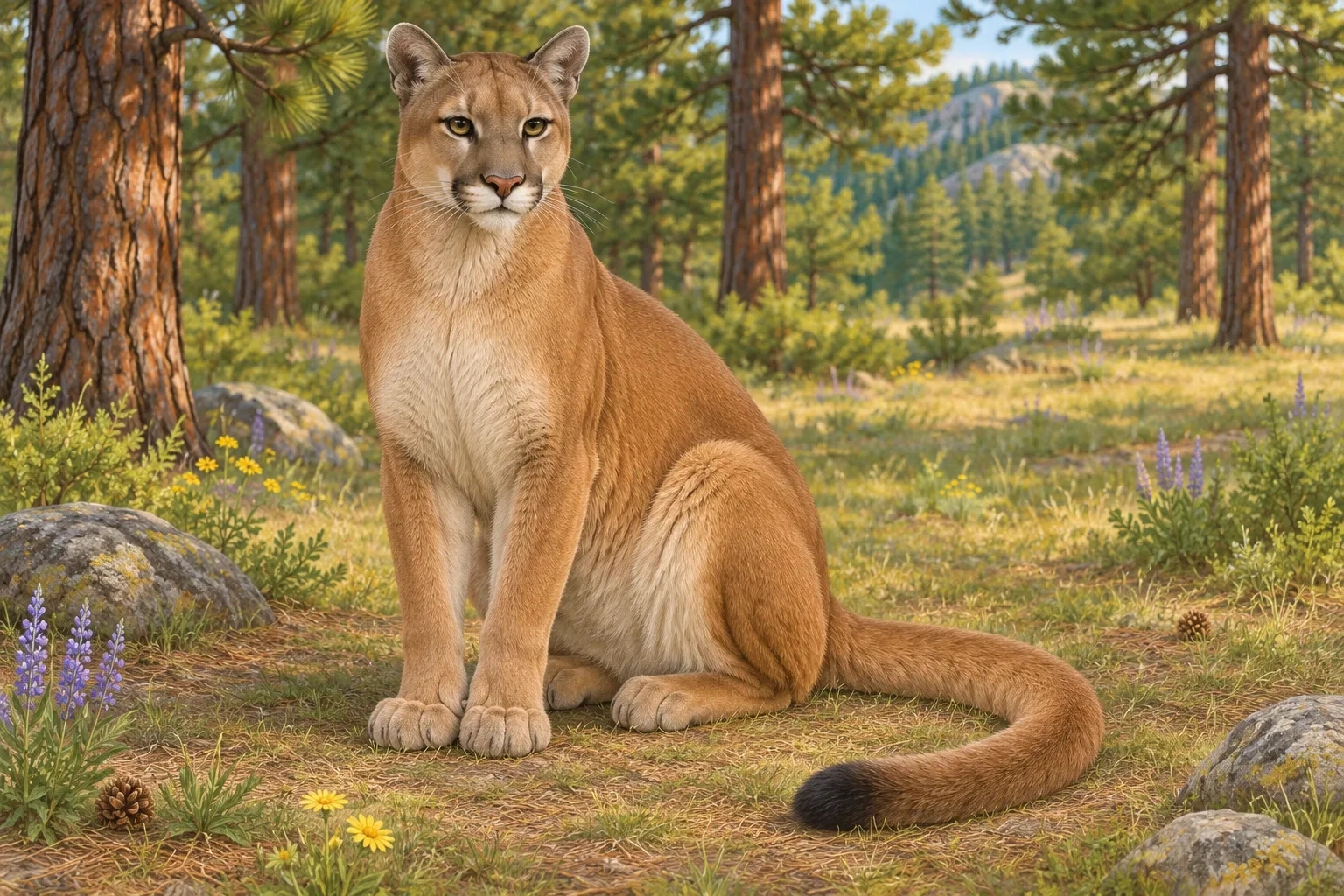
Meet the cougar
The Cat with Many Names
Cougars live in many habitats, including mountains, forests, and deserts. Adults usually travel alone. They are most active around dawn and dusk, but can also move during daylight. Their food includes deer and other mammals.
A typical adult’s head and body measure about 1–1.5 meters (3.3–4.9 feet), excluding its long tail. Typical adult weight is about 30–80 kilograms (66–176 pounds), with regional differences. Males are generally larger than females.
One Cat, Many Names
Cougar, puma, and mountain lion are names for the same kind of cat. Different places use different names. Its scientific name is Puma concolor.
A Tail for Balance
A cougar has a long tail with a dark tip. Its tail helps it balance as it moves. Watch how the tail follows the cat’s body.
Spots That Fade
A young cougar has dark spots on its coat. The spots fade as it grows. An adult usually has a plain tan or reddish-brown coat.
A Purr, Not a Roar
A cougar can purr, but it cannot roar like a lion. It also makes other sounds, including chirps and growls. This cat has several ways to communicate.
Explore its habitats: Mountains · Boreal Forest · Desert · Tropical Rainforest
Watch, listen & learn
Watch, Listen & Learn
Watch, listen and learn about the cougar with Zoobitat.
Play & learn
Try a Cougar Challenge
Color a cougar, build a mountains habitat, then test what you learned in the quiz.
Try it now
Zoom with +/− or pinch on a touchscreen. Shift-drag to move on desktop.
Color the Cougar
Fill each area, draw your own details, or erase a change. The cougar’s outlines always stay clear.
Try it now
Build a Mountains Habitat
Drag the stickers anywhere in the landscape.
Habitat builder
Mountains
Place each animal where it can walk, hide or rest in this summer mountain scene.
Try it now
Cougar Quick Quiz
Use what you learned in The Cat with Many Names. Get all three answers right to unlock your certificate!
0 of 3 correct
Question 1 of 3
1Which is another name for a cougar?
Your Cougar CertificateAnswer all three questions correctly, using what you learned above, to unlock it.
Why cougars matter
Room to Roam
Cougars are globally listed as Least Concern, but some populations face serious threats. Roads and building can divide their habitat. Protecting connected wild places helps these wide-ranging cats.
- Stay close to a grown-up on nature walks.
- Give all wild animals plenty of room.
- Keep food scraps and litter out of wild places.
- Learn with a grown-up how wildlife crossings connect habitats.
More From the Animal Field Guide
 Animal Field Guide
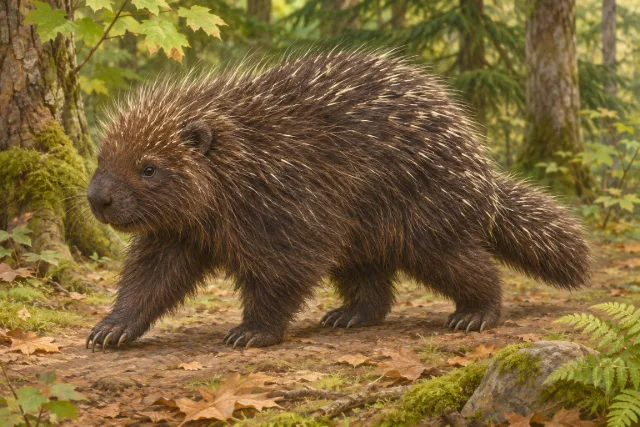
Porcupines
Porcupines cannot shoot their quills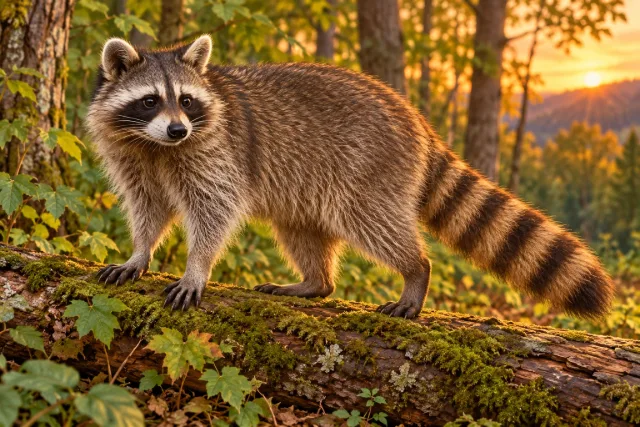 Animal Field Guide
Raccoon
A nighttime explorer with sensitive front paws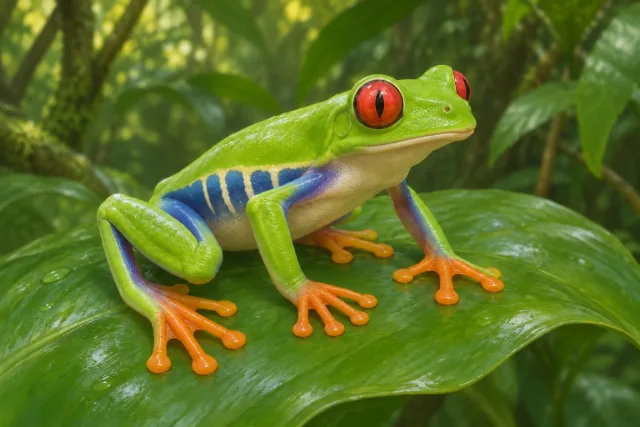 Animal Field Guide
Red-Eyed Tree Frog
Its eggs hatch above water and the tadpoles drop into a pond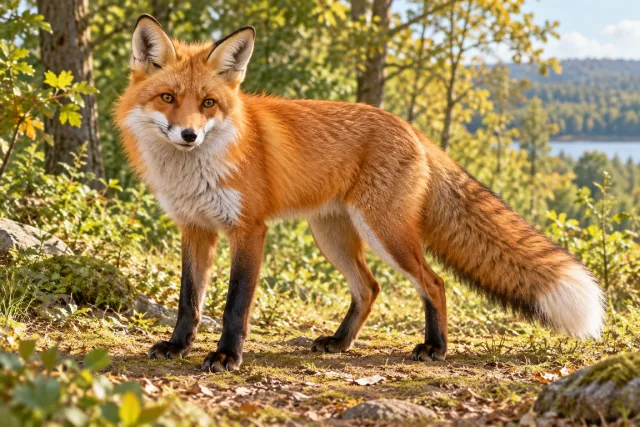 Animal Field Guide
Red Fox
Red foxes can listen for tiny animals hidden in grass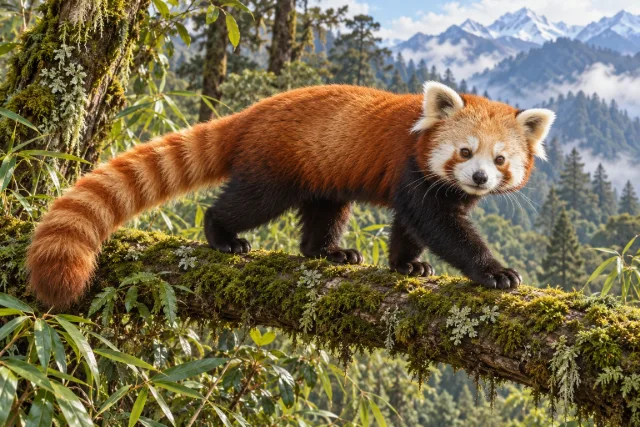 Animal Field Guide
Red Panda
A fluffy tail helps a red panda balance and stay warm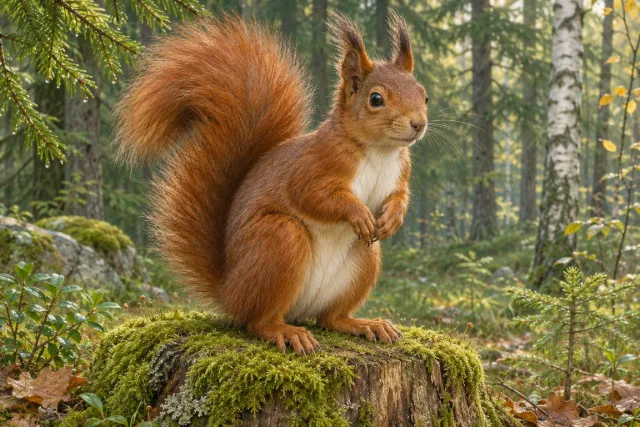 Animal Field Guide
Red Squirrel
A bushy tail helps this treetop climber balance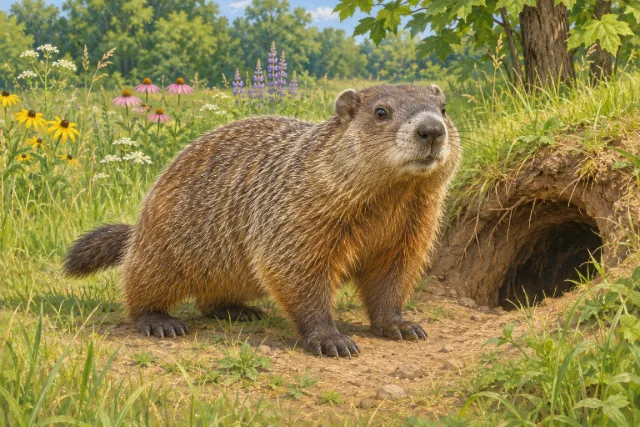 Animal Field Guide
Groundhog
A groundhog’s front teeth keep growing throughout its life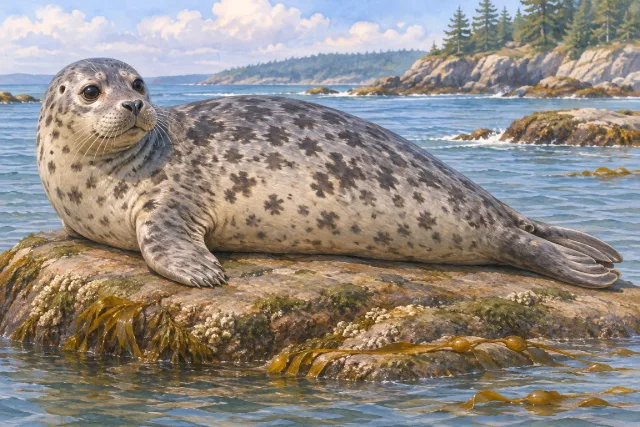 Animal Field Guide
Harbor Seal
A harbor seal can feel water movement with its whiskers
Lox says: There are more amazing animals and habitats waiting to meet you!
Grown-Up GuideLearning goals, privacy, standards, sources and more resources
For parents, caregivers & educators
Explore with confidence
This guide explains what children can learn, how the page approaches privacy, and where its cougar information comes from.
✓ STEM.org Accredited✓ NGSS-aligned learning✓ COPPA-conscious design
Learning goals
Children compare cougar names, balancing tails, cub spots, purring calls, and connected wild habitats.
Try exploring together
- Trace the cougar’s long tail with your finger in the picture.
- Compare a spotted cub picture with a plain-coated adult.
- Draw two forest patches joined by a wildlife crossing.
Privacy by design
This page uses a data-minimizing, COPPA-conscious approach. It does not ask children for a name, birthdate, email address, account, photo, voice recording, camera, microphone or precise location.
The games work without sign-in, media never autoplays, and embedded videos use YouTube’s privacy-enhanced domain.
Learn about COPPA at the FTC ↗STEM & NGSS connections
Zoobitat’s free wildlife and nature education program has earned the STEM.org Accredited™ Trustmark. This page supports observation, evidence-based discussion and life-science learning.
- 2-LS4-1: Compare the diversity of life in different habitats ↗
- 3-LS4-4: Explain how habitat change affects organisms ↗
Science sources
Cougar facts were checked against the following wildlife organizations and educational references:
- San Diego Zoo Wildlife Alliance — Cougar ↗Names, solitary adults, dawn and dusk activity with daytime activity possible, shelter and food.
- California Department of Fish and Wildlife — Mountain Lion ↗Plain adult coat versus spotted young, purring without roaring, deer prey and habitat connectivity.
- IUCN Cat Specialist Group — Puma ↗Adult head-and-body length, regional mass variation, Americas range and global Least Concern status.
- East Bay Regional Park District — Mountain Lion ↗Long tail used for balance, cub coat changes and responsible wildlife viewing.
- National Museum of Nature and Science — Cougar ↗Republishes IUCN metadata checked November 2026: global Least Concern, decreasing, assessed 17 April 2014, published 2015 with 2016 errata. Do not use the specimen bounding box as animal size.
- National Park Service — Rocky Mountain Cougar ↗Strong hind legs, jumping, tan adult coat, deer and elk prey, rocky forest habitat.
More from Zoobitat
Keep exploring with free educational resources for families, caregivers and educators:
- Free Wildlife Exhibits Download educational exhibit artwork for zoos, aquariums, schools and community spaces.
- Educator Resources Explore free materials created for classrooms, homeschool learning and family discovery.
- Early Readers Meet wildlife through illustrated, kid-friendly Zoobitat Animal Rescue stories.
- Activity Books Continue learning with wildlife-themed puzzles, activities and creative challenges.
- Zoobitat Expeditions Follow conservation adventures and discover animals and habitats in the field.
- Meet the Hosts Discover the zoos, museums, aquariums and other organizations that have hosted Zoobitat’s free, museum-quality wildlife exhibits.
Media & accessibility record
Character and cougar visuals are Zoobitat educational assets. Voiceovers require a deliberate play action. Interactive controls have descriptive labels and are keyboard accessible.
Picture credits: Zoobitat Studios, LLC.