
Animal groupReptile
Zoobitat’s Animal Field Guide
Meet the Bearded Dragons
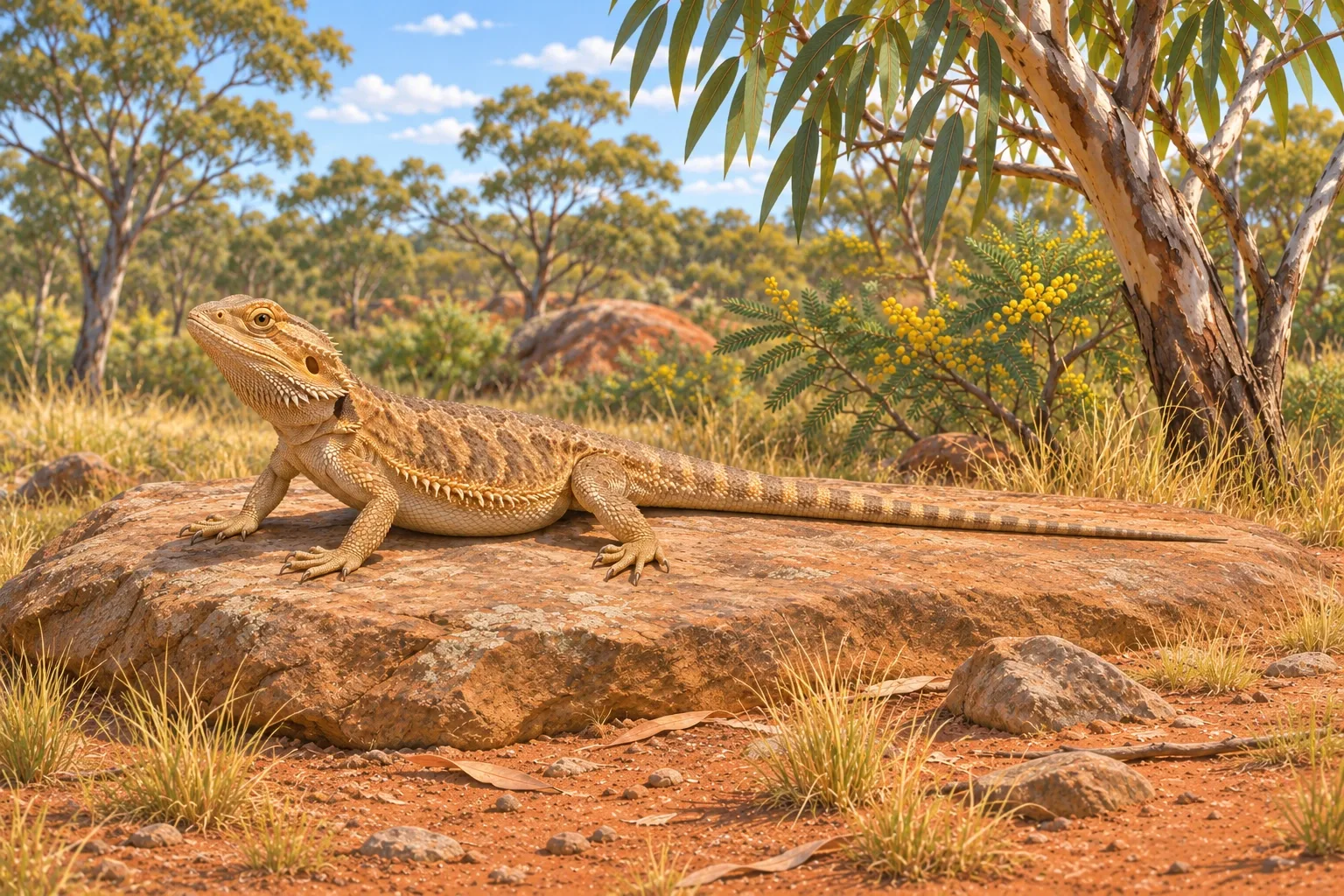
A scaly lizard rests on a sunny perch. Meet Australia’s bearded dragons, with watchful eyes and spiky-looking throats.

STEM.org AccreditedEducational wildlife learning for curious explorers ages 4–10
Featured video: The Bearded Dragons
Quick facts
Bearded Dragons Animal File
Scan the essentials, then explore each topic below.
HomeAustralian woodlands, scrublands, grasslands, and dry country
DietPlants and small invertebrates, with diets varying by species and age
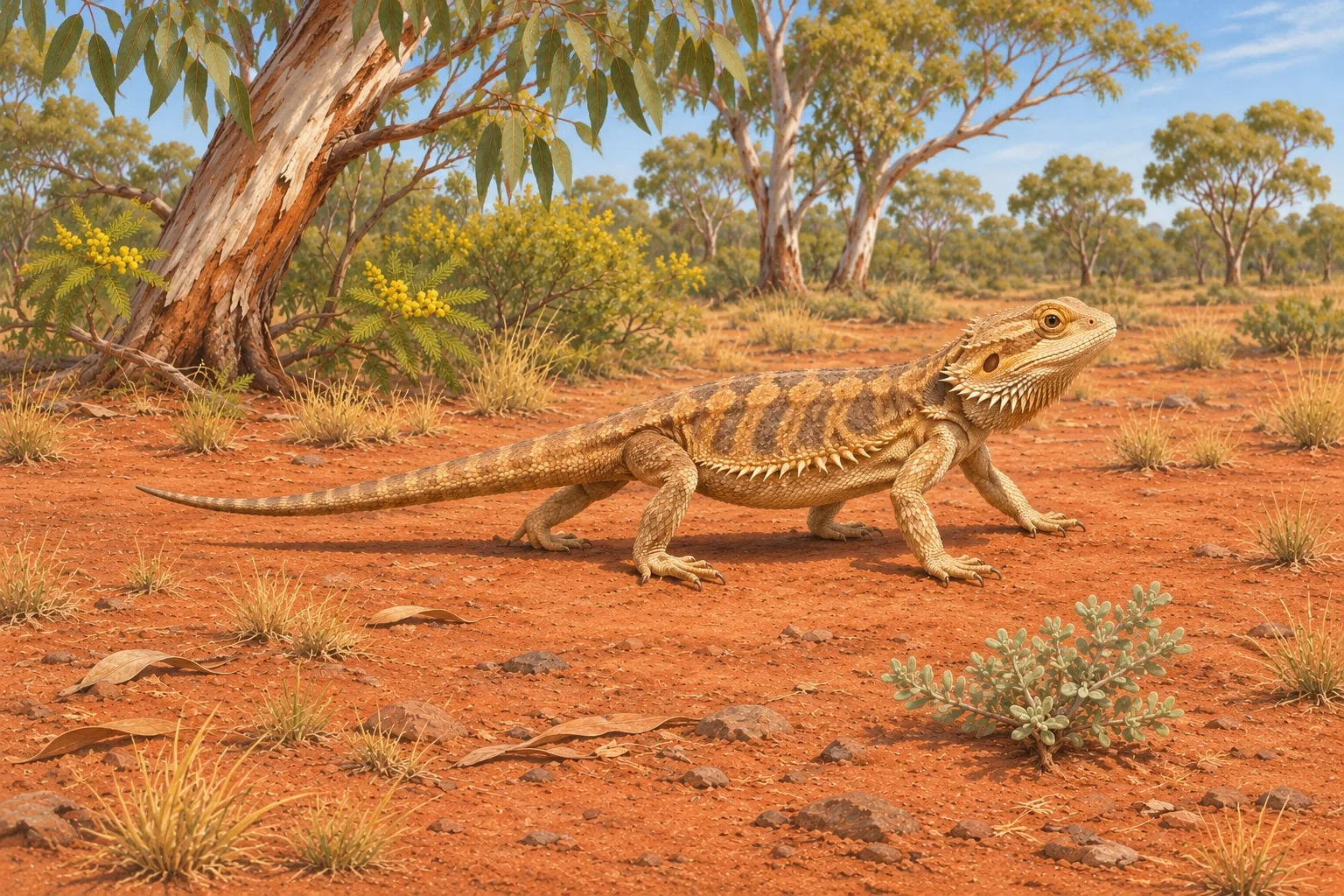
Meet the bearded dragons
Sunny Perches and Scaly Signals
Bearded dragons are Australian lizards in the genus Pogona. Different species live in dry country, grasslands, and woodlands. The artwork here features the central bearded dragon.
Length and weight vary by species. Some smaller species have less showy beards. Their natural colors often blend with the ground around them.
A Scaly Beard
Bearded dragons get their name from scales around their throats. Central bearded dragons can puff this area out. This helps them look bigger and send signals.
Warming Up
Bearded dragons are mostly active during the day. They bask in sunlight to warm their bodies. When they get too warm, they can move into the shade.
Clever Climbers
A bearded dragon can climb onto a branch or boulder. From its perch, it can bask and look around. Its toes and claws help it grip.
Lizard Messages
Bearded dragons communicate with body movements. A slow wave of a front leg can help avoid a fight. Head bobbing is another signal.
Explore its habitat: Desert
Watch, listen & learn
Watch, Listen & Learn
Watch, listen and learn about the bearded dragon with Zoobitat.
Play & learn
Try the Bearded Dragons Challenge
Color a bearded dragon, build an Australian eucalypt woodland habitat, then test what you learned in the quiz.
Try it now
Zoom with +/− or pinch on a touchscreen. Shift-drag to move on desktop.
Color the Bearded Dragons
Fill each area, draw your own details, or erase a change. The bearded dragon’s outlines always stay clear.
Try it now
Build an Australian Eucalypt Woodland Habitat
Drag the stickers anywhere in the landscape.
Habitat builder
Australian Eucalypt Woodland
Choose a sticker to begin building your Australian eucalypt woodland.
Try it now
Bearded Dragons Quick Quiz
Use what you learned in Sunny Perches and Scaly Signals. Get all three answers right to unlock your certificate!
0 of 3 correct
Question 1 of 3
1What helps a bearded dragon warm its body?
Your Bearded Dragons CertificateAnswer all three questions correctly, using what you learned above, to unlock it.
Why bearded dragons matter
Keep Wild Places Wild
Bearded dragons need healthy habitat with sunny perches and sheltered places. Clearing natural vegetation can take away these homes. Protecting Australian habitats helps these lizards and their neighbors.
- Watch wild lizards quietly with a grown-up.
- Leave rocks and fallen branches where they belong.
- Keep litter out of natural places.
- Ask a grown-up about keeping pets from chasing wildlife.
More From the Animal Field Guide
 Animal Field Guide
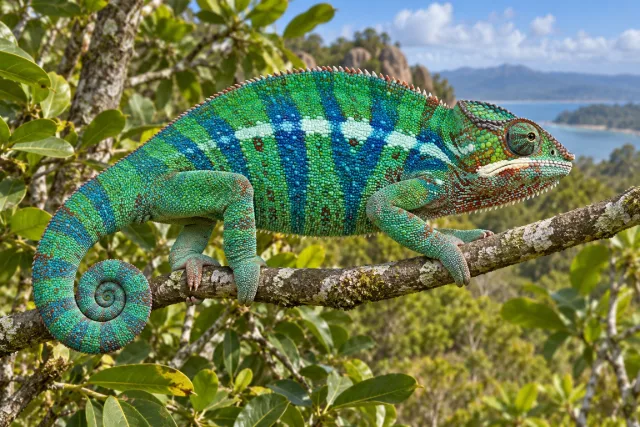
Chameleon
Eyes that can look in different directions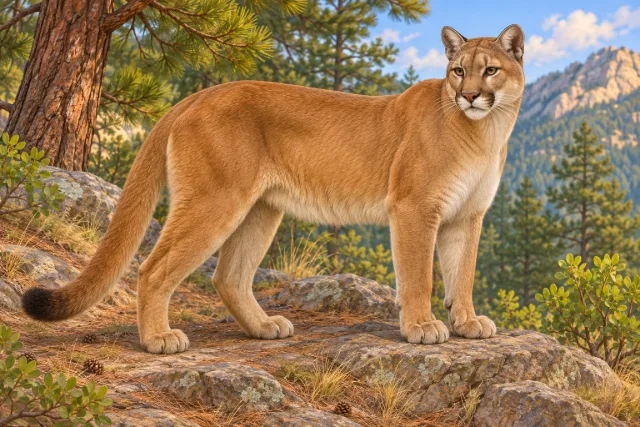 Animal Field Guide
Cougar
Cougar, puma, and mountain lion name the same cat species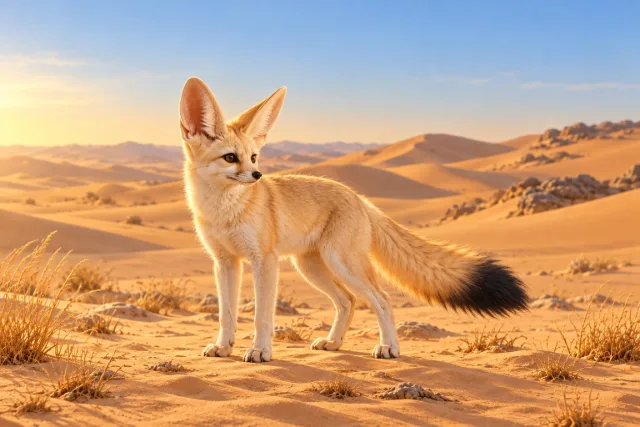 Animal Field Guide
Fennec Fox
A fennec fox’s huge ears help it listen and lose extra heat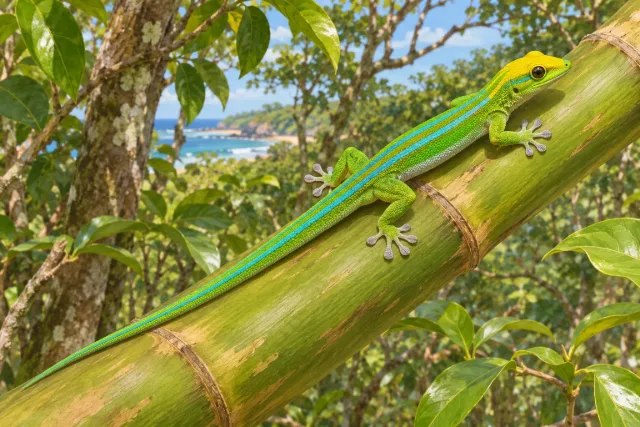 Animal Field Guide
Gecko
Some geckos grip glass with tiny structures on their toes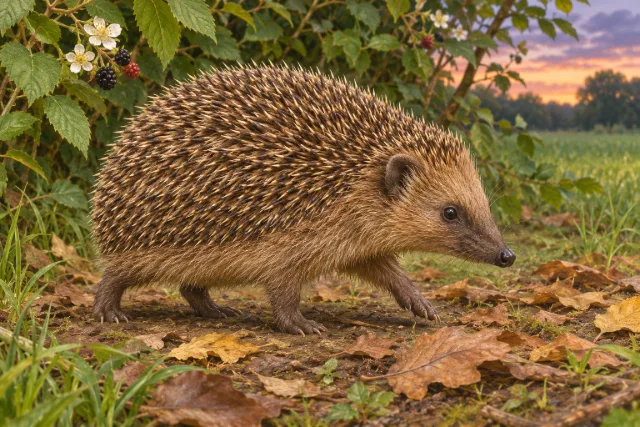 Animal Field Guide
Hedgehogs
A hedgehog can tuck its soft belly inside a spiny ball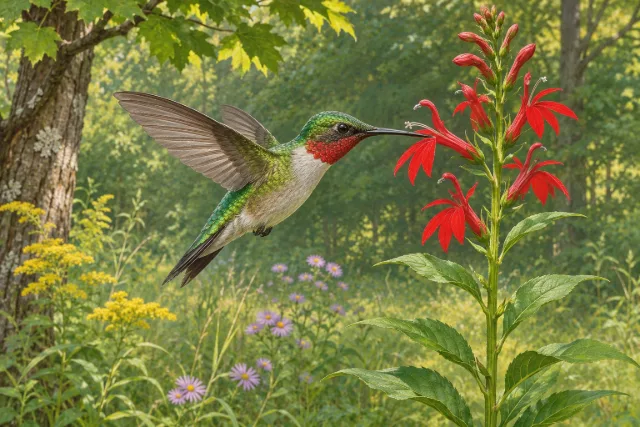 Animal Field Guide
Hummingbirds
Hummingbirds can hover and fly backward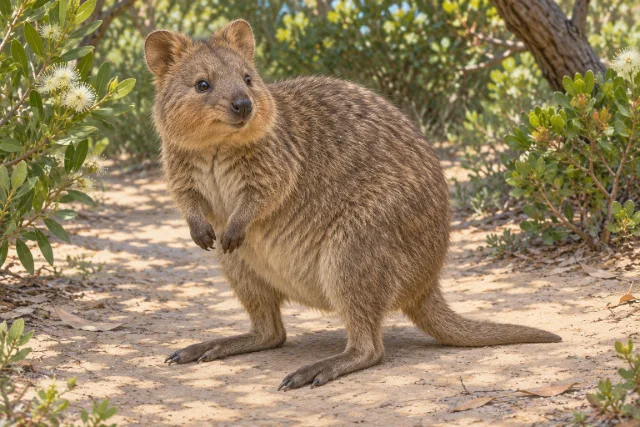 Animal Field Guide
Quokka
A baby quokka grows inside its mother’s pouch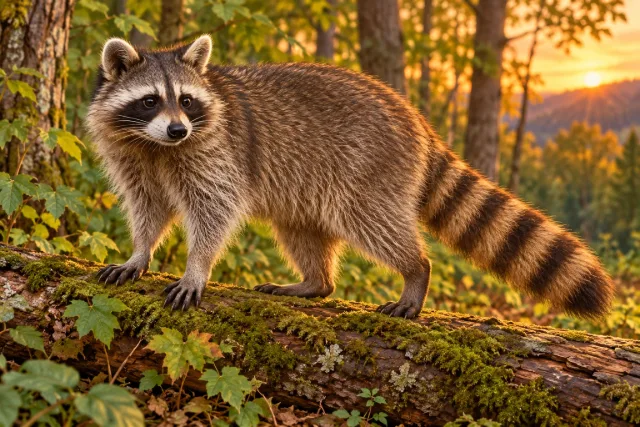 Animal Field Guide
Raccoon
A nighttime explorer with sensitive front paws
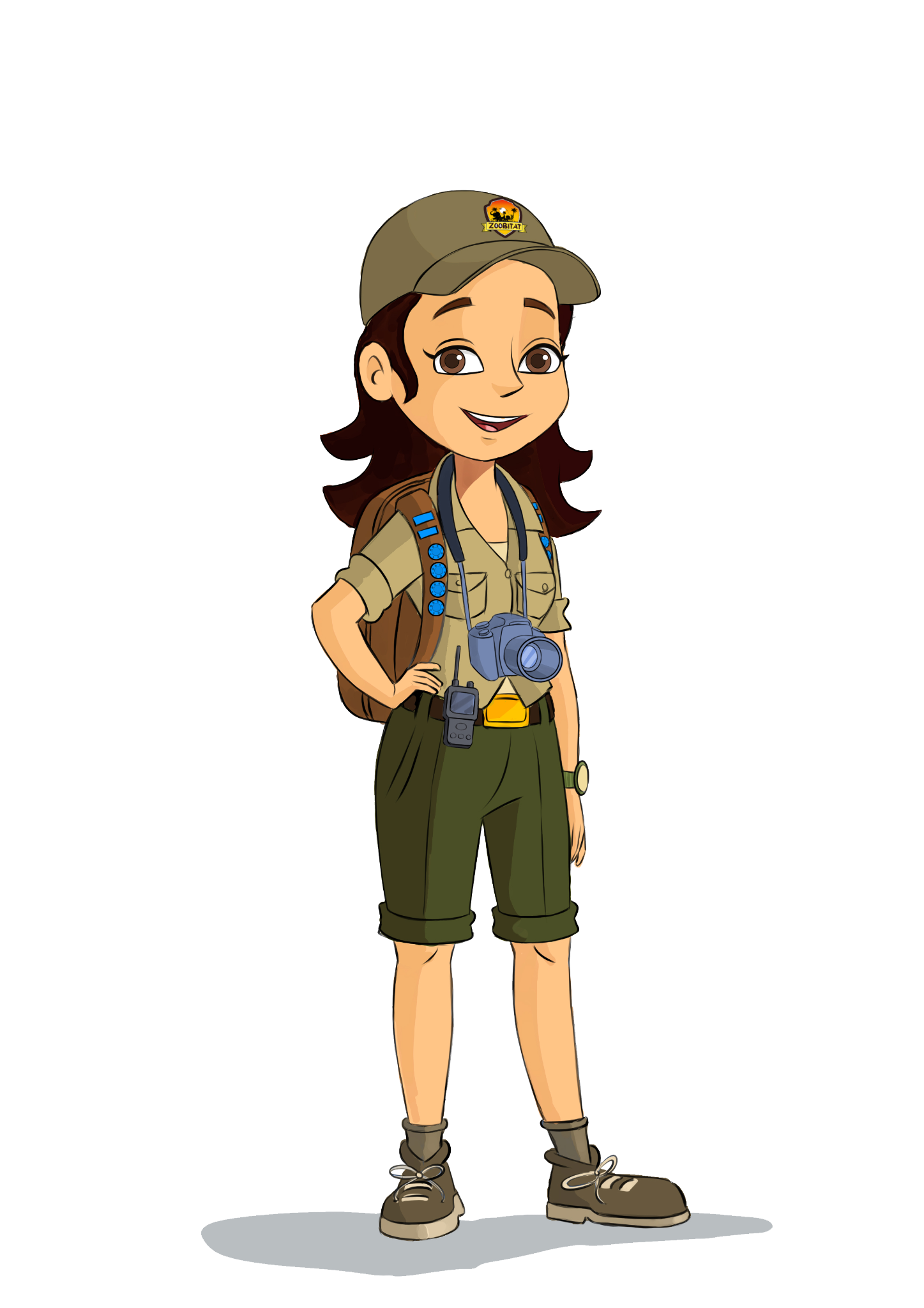
Lox says: There are more amazing animals and habitats waiting to meet you!
Grown-Up GuideLearning goals, privacy, standards, sources and more resources
For parents, caregivers & educators
Explore with confidence
This guide explains what children can learn, how the page approaches privacy, and where its bearded dragon information comes from.
✓ STEM.org Accredited✓ NGSS-aligned learning✓ COPPA-conscious design
Learning goals
Children learn about bearded dragon diversity, spiny throats, basking, climbing, body signals, and habitat care.
Try exploring together
- Pretend to wave one hand slowly like a lizard’s front leg.
- Compare sunny and shady places without approaching wildlife.
- Find the beard, ear opening, claws, and tail on the coloring page.
Privacy by design
This page uses a data-minimizing, COPPA-conscious approach. It does not ask children for a name, birthdate, email address, account, photo, voice recording, camera, microphone or precise location.
The games work without sign-in, media never autoplays, and embedded videos use YouTube’s privacy-enhanced domain.
Learn about COPPA at the FTC ↗STEM & NGSS connections
Zoobitat’s free wildlife and nature education program has earned the STEM.org Accredited™ Trustmark. This page supports observation, evidence-based discussion and life-science learning.
- 2-LS4-1: Compare the diversity of life in different habitats ↗
- 3-LS4-4: Explain how habitat change affects organisms ↗
Science sources
Bearded Dragons facts were checked against the following wildlife organizations and educational references:
- University of Michigan — Pogona ↗Genus scope, Australian distribution, broad approximate adult length of 30–60 cm, daylight activity, scales, shade and body signals.
- Bush Heritage Australia — Bearded Dragons ↗Species differences, larger total lengths to 60 cm, perches, plant and invertebrate foods, habitat protection and body language.
- Australian Museum — Central Bearded Dragon ↗Featured Pogona vitticeps anatomy, spiny throat, basking and climbing; cricket and plant foods.
- The Reptile Database — Pogona ↗Current genus membership used to define the group page.
- Oakvale Wildlife — Pygmy Bearded Dragon ↗Pygmy differences, including its less expandable beard; unqualified length figures differ from genus summaries and need clarification.
- WWF — Central Bearded Dragon ↗Featured central species solitary behavior and its species-specific size data, which were not substituted for whole-genus mass endpoints.
More from Zoobitat
Keep exploring with free educational resources for families, caregivers and educators:
- Free Wildlife Exhibits Download educational exhibit artwork for zoos, aquariums, schools and community spaces.
- Educator Resources Explore free materials created for classrooms, homeschool learning and family discovery.
- Early Readers Meet wildlife through illustrated, kid-friendly Zoobitat Animal Rescue stories.
- Activity Books Continue learning with wildlife-themed puzzles, activities and creative challenges.
- Zoobitat Expeditions Follow conservation adventures and discover animals and habitats in the field.
- Meet the Hosts Discover the zoos, museums, aquariums and other organizations that have hosted Zoobitat’s free, museum-quality wildlife exhibits.
Media & accessibility record
Character and bearded dragon visuals are Zoobitat educational assets. Voiceovers require a deliberate play action. Interactive controls have descriptive labels and are keyboard accessible.
Picture credits: Zoobitat Studios, LLC.