Animal groupBird
Zoobitat’s Animal Field Guide
Meet the Hummingbirds
Watch a hummingbird pause in the air beside a flower. These tiny birds bring fast wings and bright feathers to the Americas.

STEM.org AccreditedEducational wildlife learning for curious explorers ages 4–10
Featured video: The Hummingbirds
Quick facts
Hummingbirds Animal File
Scan the essentials, then explore each topic below.
HomeThe Americas, including Caribbean islands
DietFlower nectar, tiny insects, and spiders
Length5 to 35 centimeters (2 to 14 inches) Approximate family range including ornamental tail feathers in long-tailed species.
Meet the hummingbirds
Small Birds with Amazing Wings
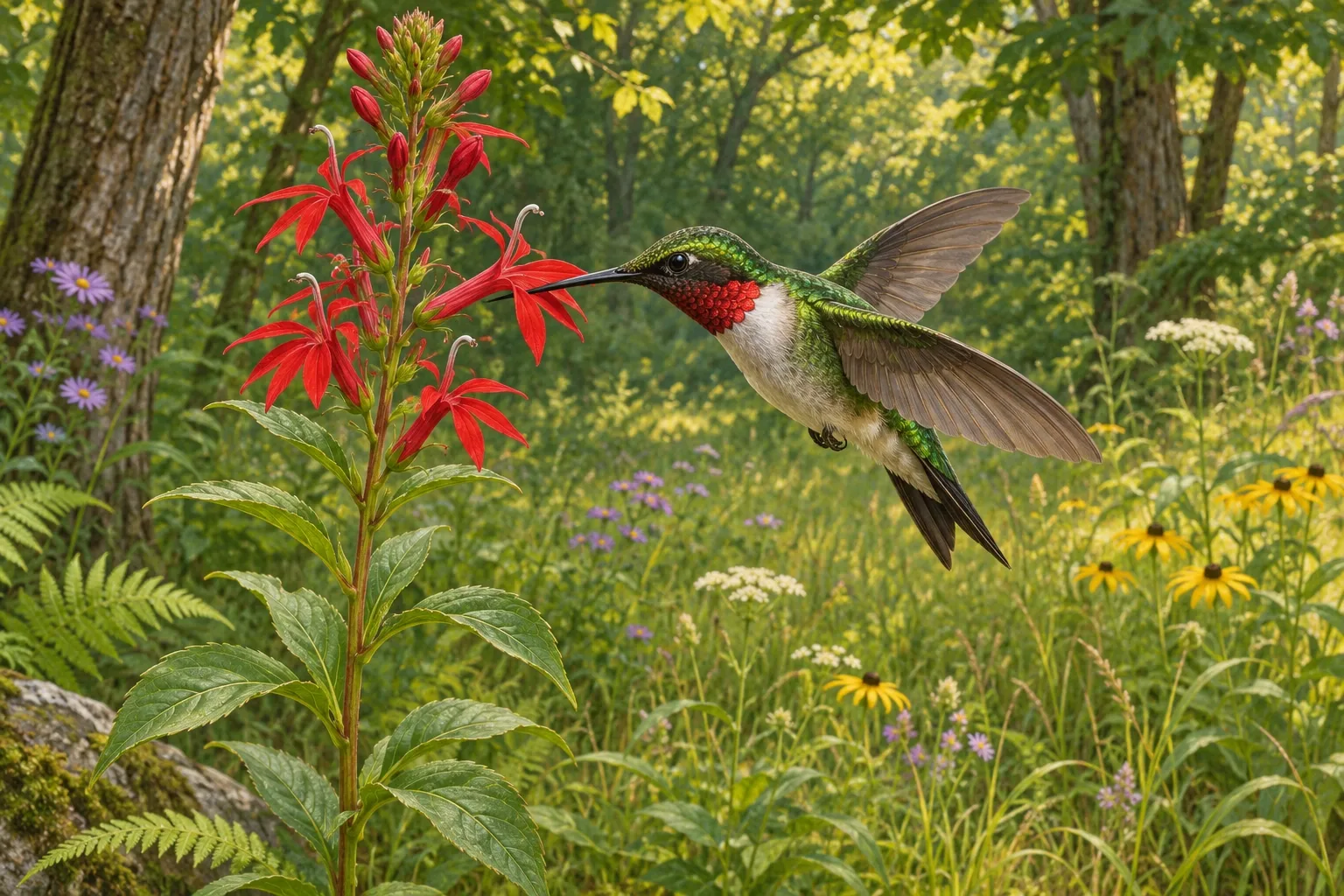
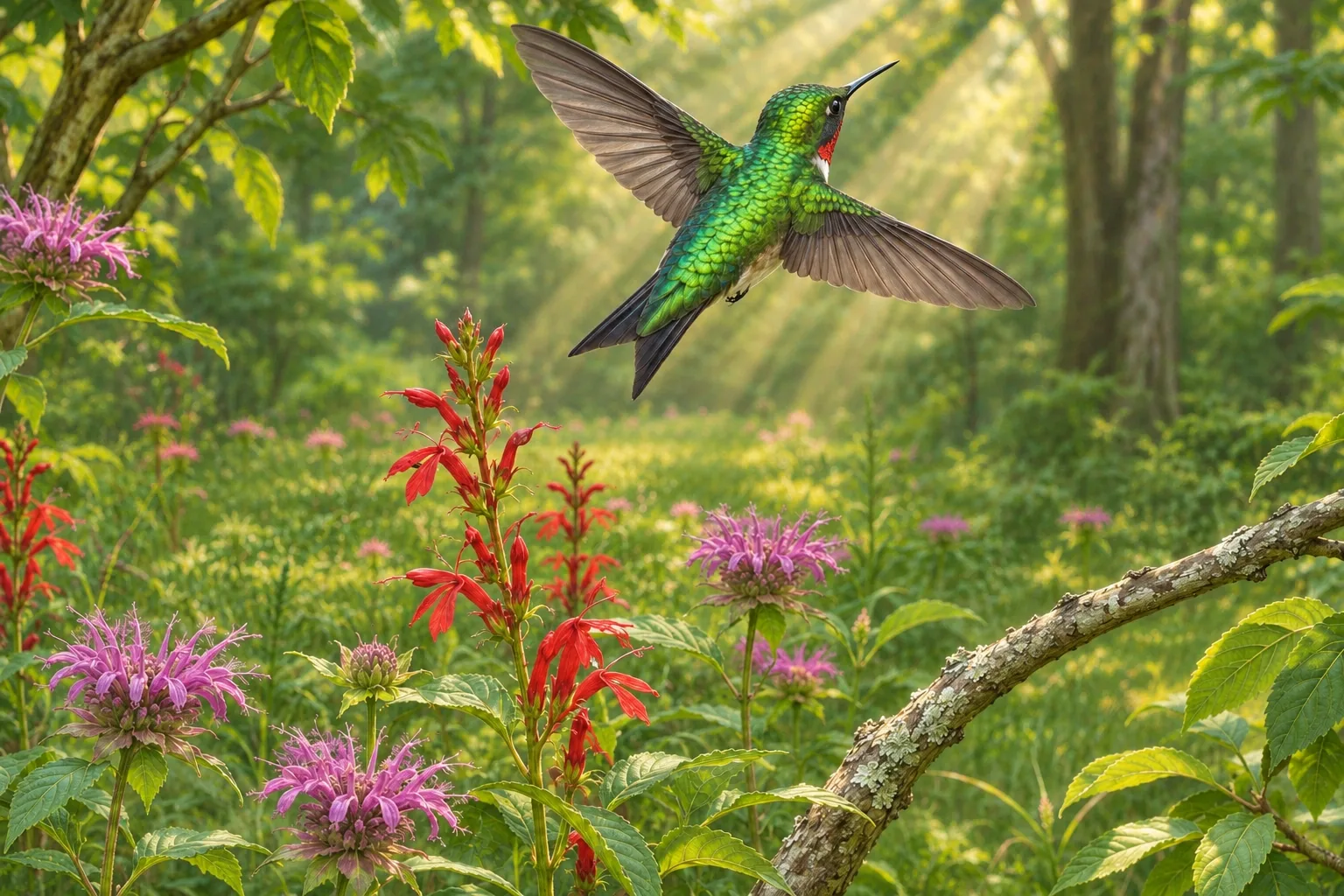
Hummingbirds belong to the bird family Trochilidae. Different species live in forests, mountains, deserts, and other flower-rich places across the Americas. The artwork here features ruby-throated hummingbirds.
Across species, total lengths are roughly 5–35 centimeters (2–14 inches), including the longest ornamental tails. Published weights span about 1.6–24 grams (0.06–0.85 ounces). Bee hummingbirds are tiny, while giant hummingbirds are much heavier. Males of some other species have especially long tails.
Hovering Wonders
A hummingbird can hover beside a flower. Its wings also help it fly backward and sideways. These quick movements help it reach nectar inside blossoms.
Flower Helpers
Nectar is a sweet liquid inside flowers. Hummingbirds sip it with long tongues and also eat tiny insects. Pollen can stick to their heads and travel to another flower.
A Nighttime Slowdown
Many hummingbirds save energy with a deep rest called torpor. Their bodies cool down, and their heartbeats slow. This helps them get through cold nights when food is unavailable.
A Tiny Nest
A female ruby-throated hummingbird builds a small cup-shaped nest. She uses soft plant material and hides it with lichens. She usually lays two eggs and cares for the chicks herself.
Explore its habitats: Tropical Rainforest · Mountains · Desert
Watch, listen & learn
Watch, Listen & Learn
Watch, listen and learn about the hummingbird with Zoobitat.
Play & learn
Try the Hummingbirds Challenge
Color a hummingbird, build a forest and woodland edge habitat, then test what you learned in the quiz.
Try it now
Zoom with +/− or pinch on a touchscreen. Shift-drag to move on desktop.
Color the Hummingbirds
Fill each area, draw your own details, or erase a change. The hummingbird’s outlines always stay clear.
Try it now
Build a Forest and Woodland Edge Habitat
Drag the stickers anywhere in the landscape.
Habitat builder
Forest and Woodland Edge
Place pangolins where they can reach food and shelter, then add ants, a termite mound, a hollow log and leafy cover.
Try it now
Hummingbirds Quick Quiz
Use what you learned in Small Birds with Amazing Wings. Get all three answers right to unlock your certificate!
0 of 3 correct
Question 1 of 3
1What sweet liquid do hummingbirds sip from flowers?
Your Hummingbirds CertificateAnswer all three questions correctly, using what you learned above, to unlock it.
Why hummingbirds matter
Flowers Help Hummingbirds
Hummingbirds need healthy places with flowers, insects, and safe resting spots. Some species face greater threats than others. Protecting native plants supports these birds and the places they live.
- Choose native flowering plants with a grown-up.
- Keep pet cats indoors with your family’s help.
- Watch wild birds quietly from a distance.
- Ask a grown-up to help make windows safer for birds.
More From the Animal Field Guide
 Animal Field Guide
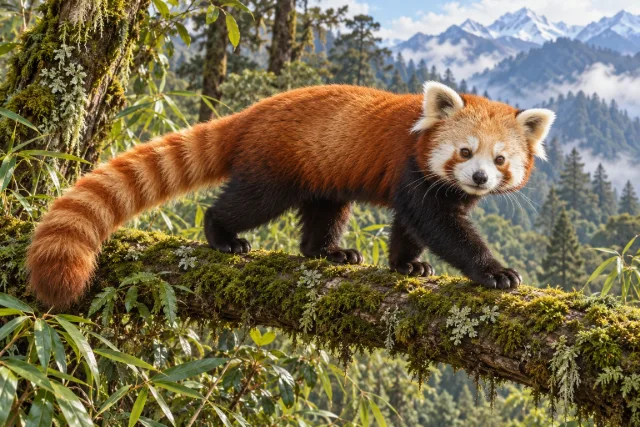
Red Panda
A fluffy tail helps a red panda balance and stay warm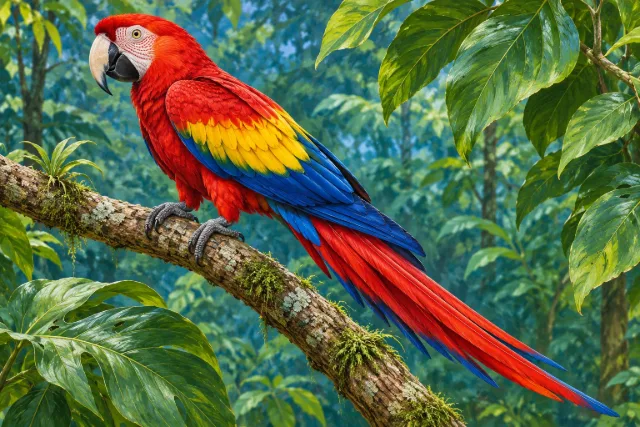 Animal Field Guide
Scarlet Macaw
A scarlet macaw can hold food in one foot while it eats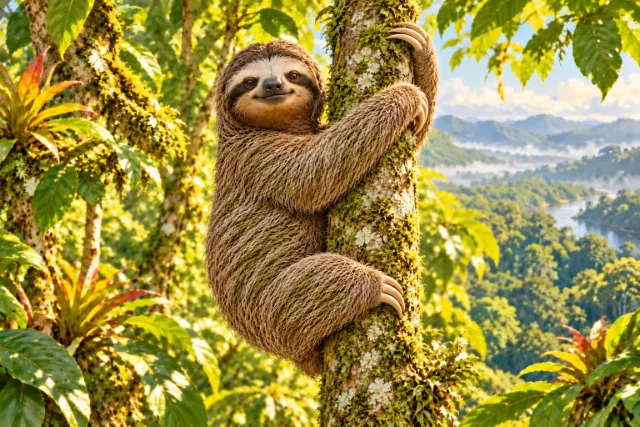 Animal Field Guide
Sloths
Curved claws help a sloth hold tightly to branches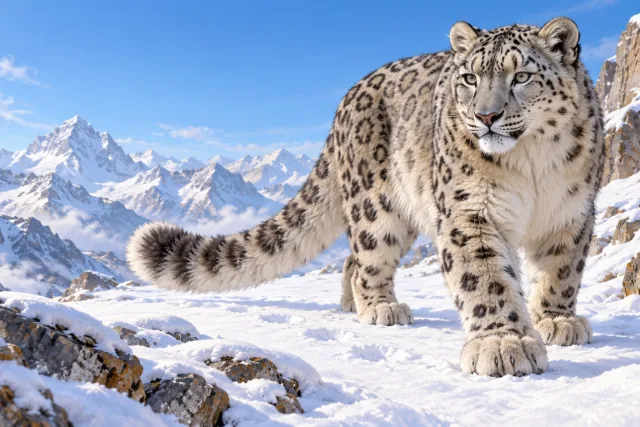 Animal Field Guide
Snow Leopard
A long furry tail helps with balance and warmth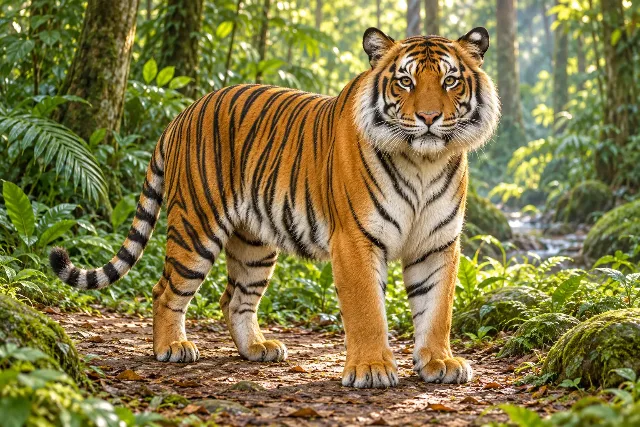 Animal Field Guide
Sumatran Tiger
Every tiger has its own stripe pattern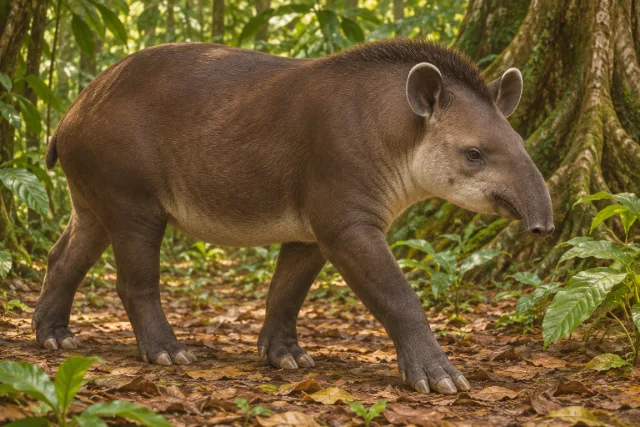 Animal Field Guide
Tapirs
Tapirs use a flexible snout to grasp plant food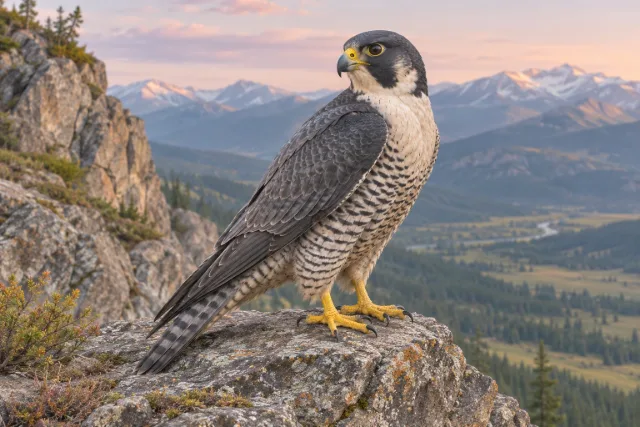 Animal Field Guide
Peregrine Falcon
A peregrine falcon’s fast hunting dive is called a stoop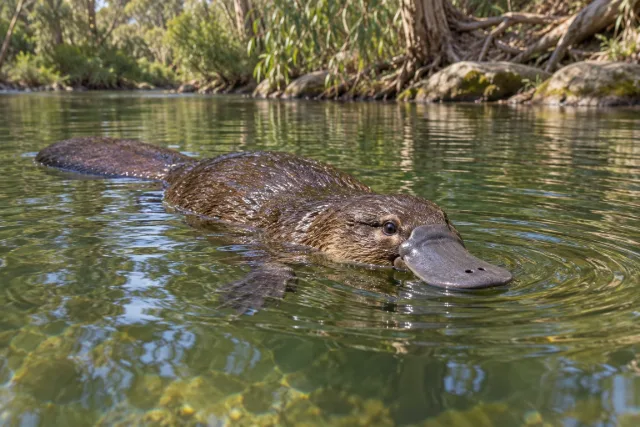 Animal Field Guide
Platypus
An egg-laying mammal with a bill that senses hidden food
Lox says: There are more amazing animals and habitats waiting to meet you!
Grown-Up GuideLearning goals, privacy, standards, sources and more resources
For parents, caregivers & educators
Explore with confidence
This guide explains what children can learn, how the page approaches privacy, and where its hummingbird information comes from.
✓ STEM.org Accredited✓ NGSS-aligned learning✓ COPPA-conscious design
Learning goals
Children explore hummingbird flight, nectar feeding, pollination, nesting, and energy-saving rest.
Try exploring together
- Draw a flower and show how pollen travels between blossoms.
- Compare a hovering bird with a bird resting on a branch.
- Look for local native flowers with a grown-up.
Privacy by design
This page uses a data-minimizing, COPPA-conscious approach. It does not ask children for a name, birthdate, email address, account, photo, voice recording, camera, microphone or precise location.
The games work without sign-in, media never autoplays, and embedded videos use YouTube’s privacy-enhanced domain.
Learn about COPPA at the FTC ↗STEM & NGSS connections
Zoobitat’s free wildlife and nature education program has earned the STEM.org Accredited™ Trustmark. This page supports observation, evidence-based discussion and life-science learning.
- 2-LS4-1: Compare the diversity of life in different habitats ↗
- 3-LS4-4: Explain how habitat change affects organisms ↗
Science sources
Hummingbirds facts were checked against the following wildlife organizations and educational references:
- San Diego Zoo Wildlife Alliance — Hummingbird ↗Nectar, pollination, distribution, body mass extremes, and native-plant conservation.
- Animal Diversity Web — Trochilidae ↗Family classification, flight, varied habitats, invertebrate foods, and sex differences.
- Smithsonian — Hummingbirds ↗Torpor, regional distribution, nectar feeding, and generally solitary behavior.
- Smithsonian — Ruby-throated Hummingbird ↗Representative species anatomy, nest, two eggs, parental roles, daytime activity, habitat, threats, and conservation actions.
- Guinness World Records — Largest Hummingbird ↗Giant hummingbird adult mass range of 18–24 g, used with San Diego Zoo’s 1.6 g lower endpoint for the family range.
- West and Butler — Do Hummingbirds Hum ↗Rutgers University Press book by George C. West and Carol A. Butler, 2010. Chapter 1 gives approximately 5–35 cm total family length including elongated tails.
More from Zoobitat
Keep exploring with free educational resources for families, caregivers and educators:
- Free Wildlife Exhibits Download educational exhibit artwork for zoos, aquariums, schools and community spaces.
- Educator Resources Explore free materials created for classrooms, homeschool learning and family discovery.
- Early Readers Meet wildlife through illustrated, kid-friendly Zoobitat Animal Rescue stories.
- Activity Books Continue learning with wildlife-themed puzzles, activities and creative challenges.
- Zoobitat Expeditions Follow conservation adventures and discover animals and habitats in the field.
- Meet the Hosts Discover the zoos, museums, aquariums and other organizations that have hosted Zoobitat’s free, museum-quality wildlife exhibits.
Media & accessibility record
Character and hummingbird visuals are Zoobitat educational assets. Voiceovers require a deliberate play action. Interactive controls have descriptive labels and are keyboard accessible.
Picture credits: Zoobitat Studios, LLC.