Animal groupMammal
Zoobitat’s Animal Field Guide
Meet the Quokka
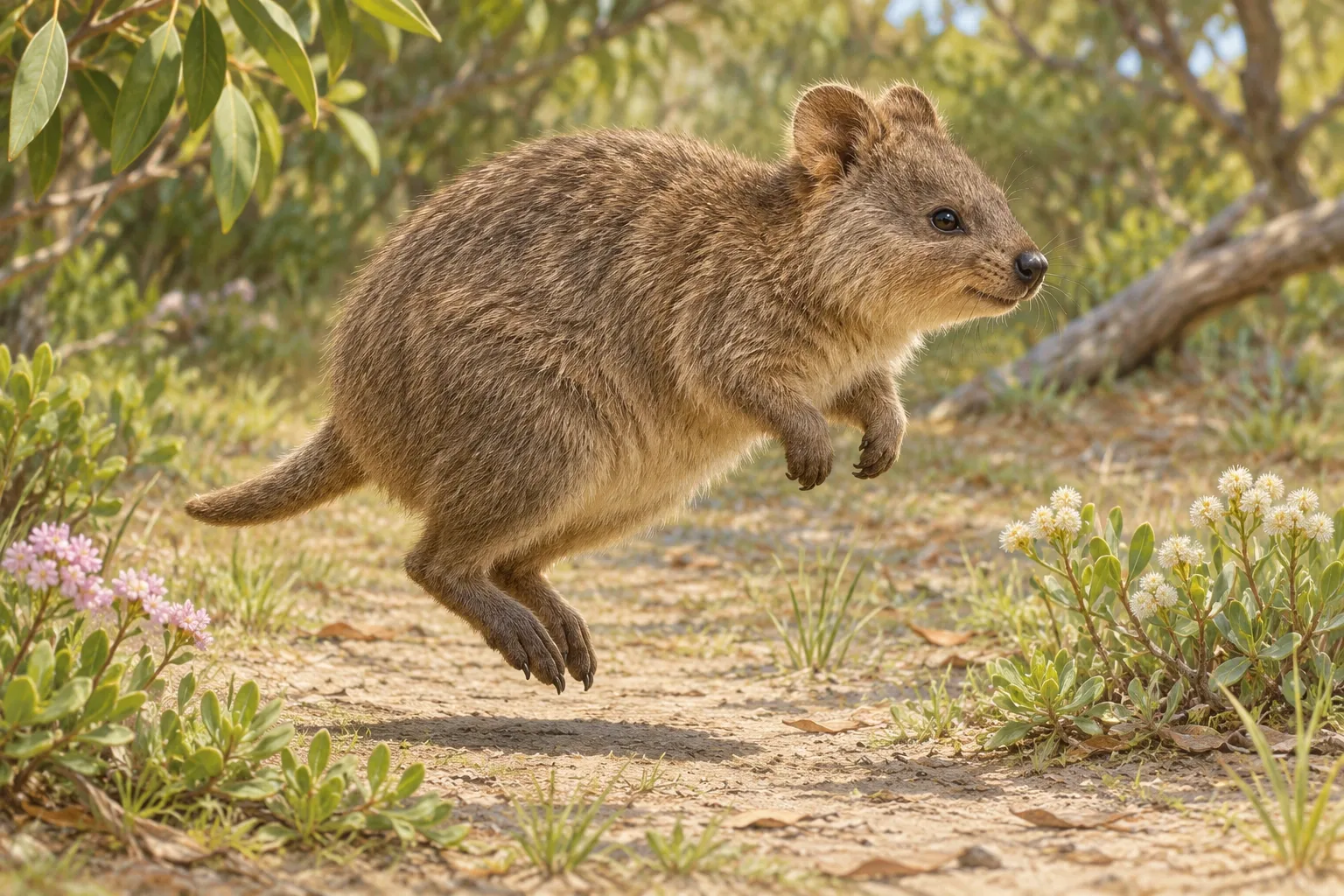
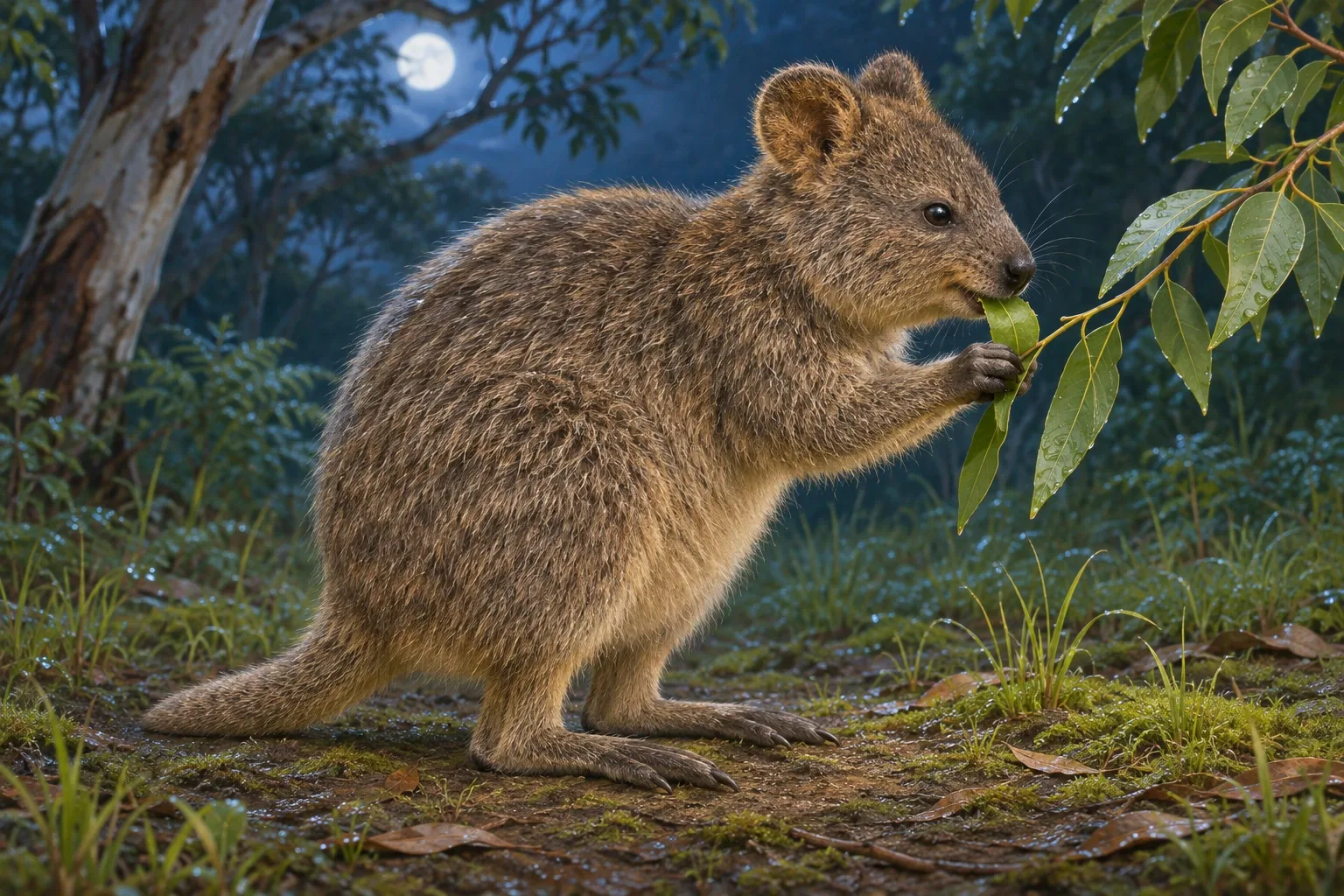
Rounded ears peek out from a shady bush. A quokka waits for the cooler evening before searching for leaves.

STEM.org AccreditedEducational wildlife learning for curious explorers ages 4–10
Featured video: The Quokka
Quick facts
Quokka Animal File
Scan the essentials, then explore each topic below.
HomeSouthwestern Western Australia, including Rottnest Island, Bald Island, and mainland pockets
DietLeaves, stems, grasses, and sedges
Length39 to 54 centimeters (15 to 21 inches) head and body, excluding the 23–31 cm (9–12 inch) tail
ConservationVulnerable
Get to know quokkas
A Small Wallaby from Australia
Quokkas live in southwestern Western Australia. They use thick shrubs and other leafy cover for shelter.
A quokka is a small wallaby with gray-brown fur and a short tail. Its strong back legs help it hop.
A Joey in a Pouch
A quokka is a marsupial. Its tiny baby, called a joey, grows inside its mother’s pouch for several months.
Hopping Through the Bush
A quokka has strong back legs and long back feet. These help it hop between patches of plants.
Leaves for Dinner
Quokkas eat leaves, stems, grasses, and sedges. They often come out to find food at night.
A Shady Daytime Home
Quokkas often rest under thick, shady bushes during the day. Sheltered patches of plants give them cover.
Explore its habitat: Freshwater
Watch, listen & learn
Watch, Listen & Learn
Watch, listen and learn about the quokka with Zoobitat.
Play & learn
Try a Quokka Challenge
Color a quokka, build an Australian eucalypt woodland habitat, then test what you learned in the quiz.
Try it now
Zoom with +/− or pinch on a touchscreen. Shift-drag to move on desktop.
Color the Quokka
Fill each area, draw your own details, or erase a change. The quokka’s outlines always stay clear.
Try it now
Build an Australian Eucalypt Woodland Habitat
Drag the stickers anywhere in the landscape.
Habitat builder
Australian Eucalypt Woodland
Choose a sticker to begin building your Australian eucalypt woodland.
Try it now
Quokka Quick Quiz
Use what you learned in A Small Wallaby From Australia. Get all three answers right to unlock your certificate!
0 of 3 correct
Question 1 of 3
1Where does a young quokka grow?
Your Quokka CertificateAnswer all three questions correctly, using what you learned above, to unlock it.
Why quokkas matter
Give Quokkas Space
Quokkas need thick plants for shelter and food. Protecting native vegetation helps them find both.
- Watch quokkas quietly from a distance with a grown-up.
- Leave wild quokkas to find their own food and water.
- Learn how people protect native plants in Western Australia.
More From the Animal Field Guide
 Animal Field Guide
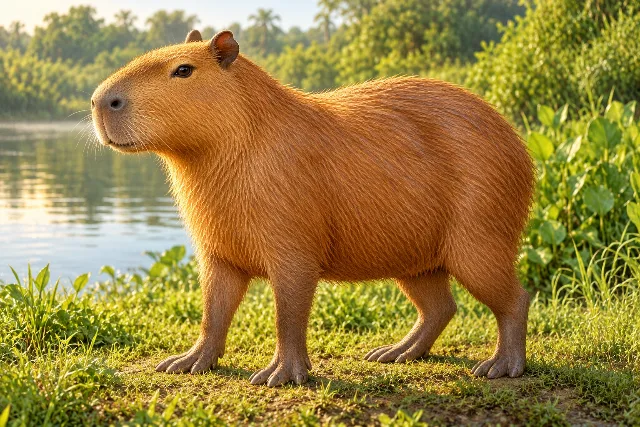
Capybara
Capybaras are the largest rodents alive today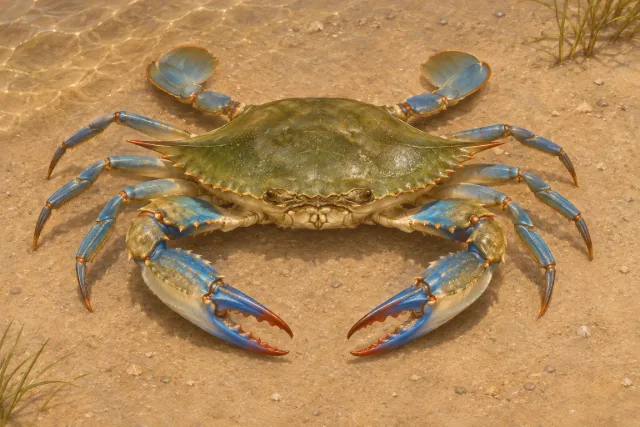 Animal Field Guide
Crabs
A blue crab has flat back legs that work like paddles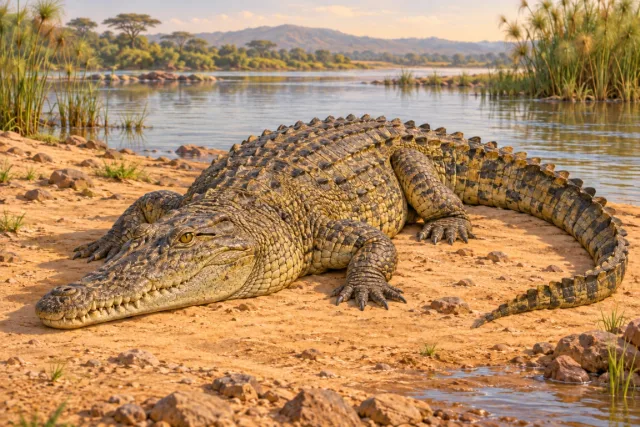 Animal Field Guide
Crocodiles
Crocodiles can hear their babies calling from inside eggs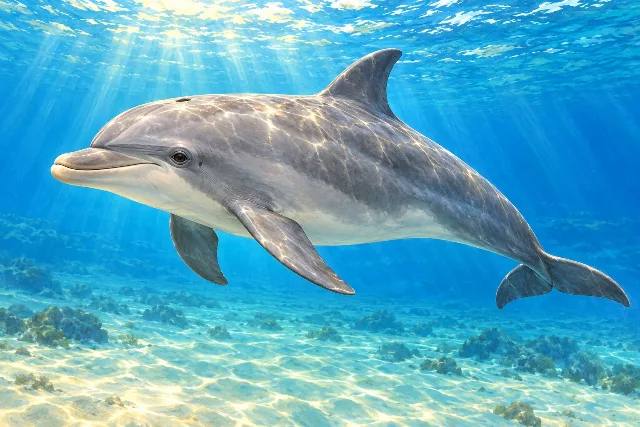 Animal Field Guide
Dolphin
Dolphins breathe air through a blowhole on top of the head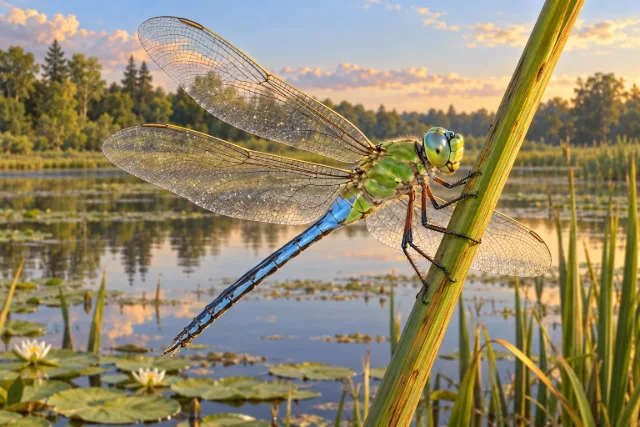 Animal Field Guide
Dragonfly
A dragonfly begins life as a water-dwelling larva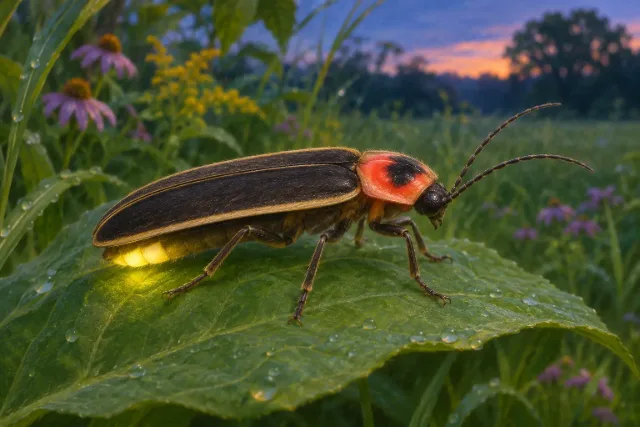 Animal Field Guide
Fireflies
Fireflies are beetles that can make their own light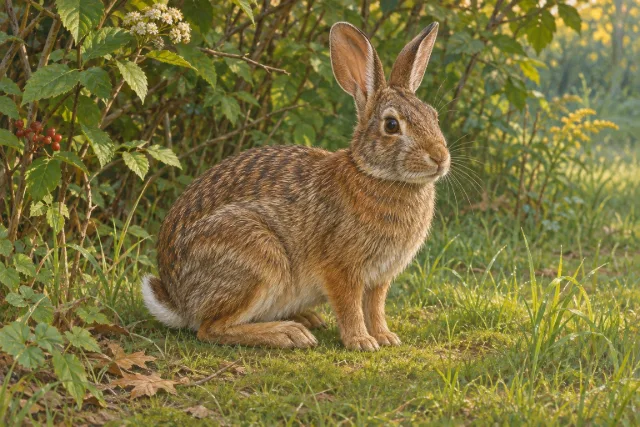 Animal Field Guide
Wild Rabbits
Strong hind legs let rabbits hop and turn quickly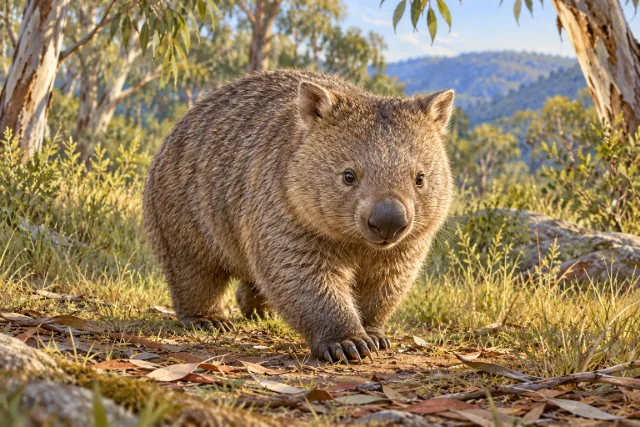 Animal Field Guide
Wombat
A digging mammal with a backward-facing pouch
Lox says: There are more amazing animals and habitats waiting to meet you!
Grown-Up GuideLearning goals, privacy, standards, sources and more resources
For parents, caregivers & educators
Explore with confidence
This guide explains what children can learn, how the page approaches privacy, and where its quokka information comes from.
✓ STEM.org Accredited✓ NGSS-aligned learning✓ COPPA-conscious design
Learning goals
Connect a quokka’s pouch, hopping legs, and shaded shelter to daily life.
Try exploring together
- Find southwestern Australia on a map.
- Make a paper pouch and tuck a paper joey inside.
- Compare the quokka’s long hind feet and small front paws.
Privacy by design
This page uses a data-minimizing, COPPA-conscious approach. It does not ask children for a name, birthdate, email address, account, photo, voice recording, camera, microphone or precise location.
The games work without sign-in, media never autoplays, and embedded videos use YouTube’s privacy-enhanced domain.
Learn about COPPA at the FTC ↗STEM & NGSS connections
Zoobitat’s free wildlife and nature education program has earned the STEM.org Accredited™ Trustmark. This page supports observation, evidence-based discussion and life-science learning.
- 2-LS4-1: Compare the diversity of life in different habitats ↗
- 3-LS4-4: Explain how habitat change affects organisms ↗
Science sources
Quokka facts were checked against the following wildlife organizations and educational references:
- Australian Museum ↗Species identity, pouch care, rounded ears, body form and native range.
- Animal Diversity Web ↗Hopping legs, movement and herbivorous diet.
- Rottnest Island Authority ↗Daytime bush shelter, nocturnal activity and safe observation.
- Western Australia DBCA ↗Adult measurement ranges, habitats, nocturnal feeding and threats.
- Australian Government DCCEEW ↗Conservation needs and recovery actions.
- IUCN Red List ↗Vulnerable status and decreasing population trend. Assessment-year metadata is inconsistent across indexed versions.
More from Zoobitat
Keep exploring with free educational resources for families, caregivers and educators:
- Free Wildlife Exhibits Download educational exhibit artwork for zoos, aquariums, schools and community spaces.
- Educator Resources Explore free materials created for classrooms, homeschool learning and family discovery.
- Early Readers Meet wildlife through illustrated, kid-friendly Zoobitat Animal Rescue stories.
- Activity Books Continue learning with wildlife-themed puzzles, activities and creative challenges.
- Zoobitat Expeditions Follow conservation adventures and discover animals and habitats in the field.
- Meet the Hosts Discover the zoos, museums, aquariums and other organizations that have hosted Zoobitat’s free, museum-quality wildlife exhibits.
Media & accessibility record
Character and quokka visuals are Zoobitat educational assets. Voiceovers require a deliberate play action. Interactive controls have descriptive labels and are keyboard accessible.
Picture credits: Zoobitat Studios, LLC.