Animal groupMammal
Zoobitat’s Animal Field Guide
Meet the Bobcat
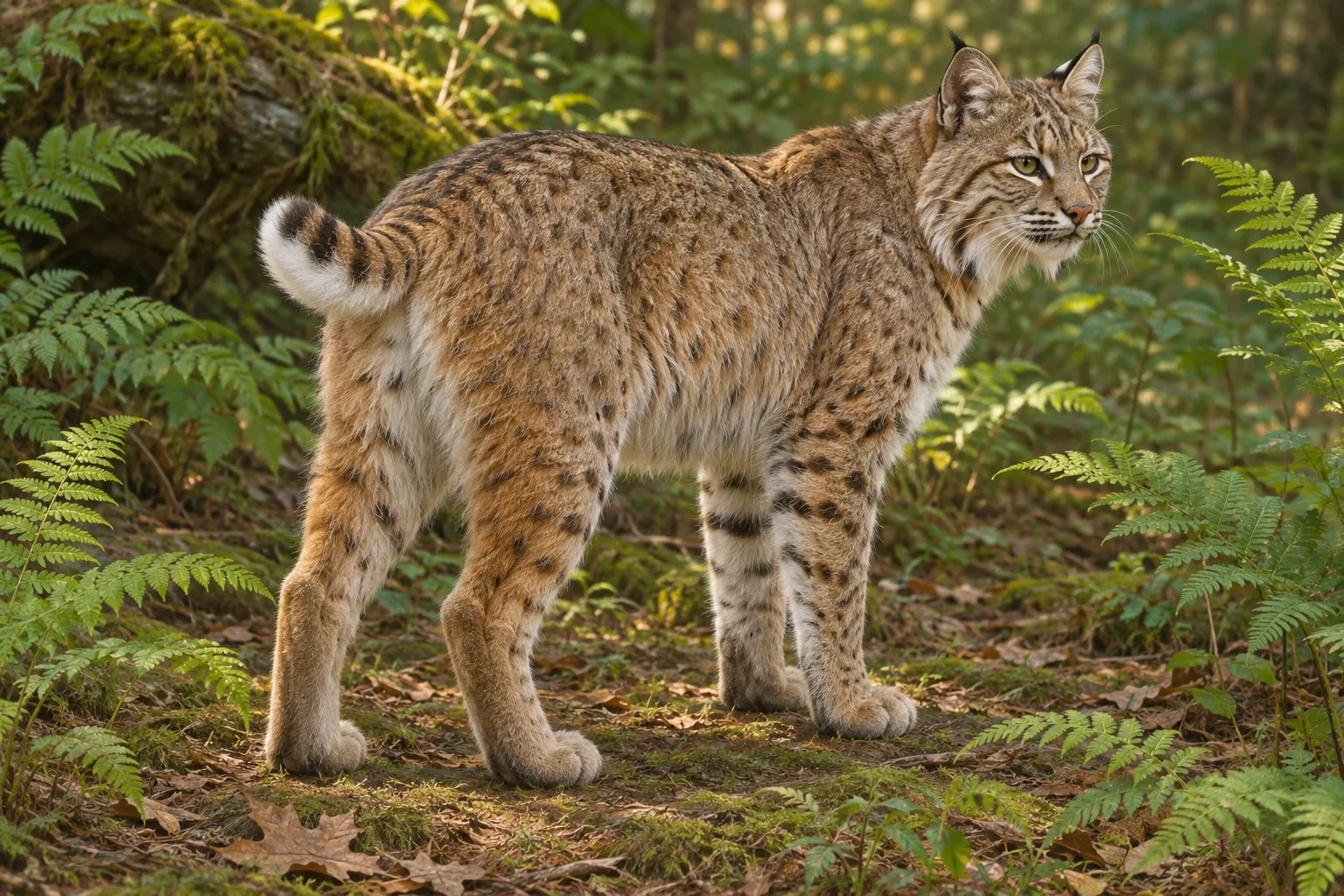
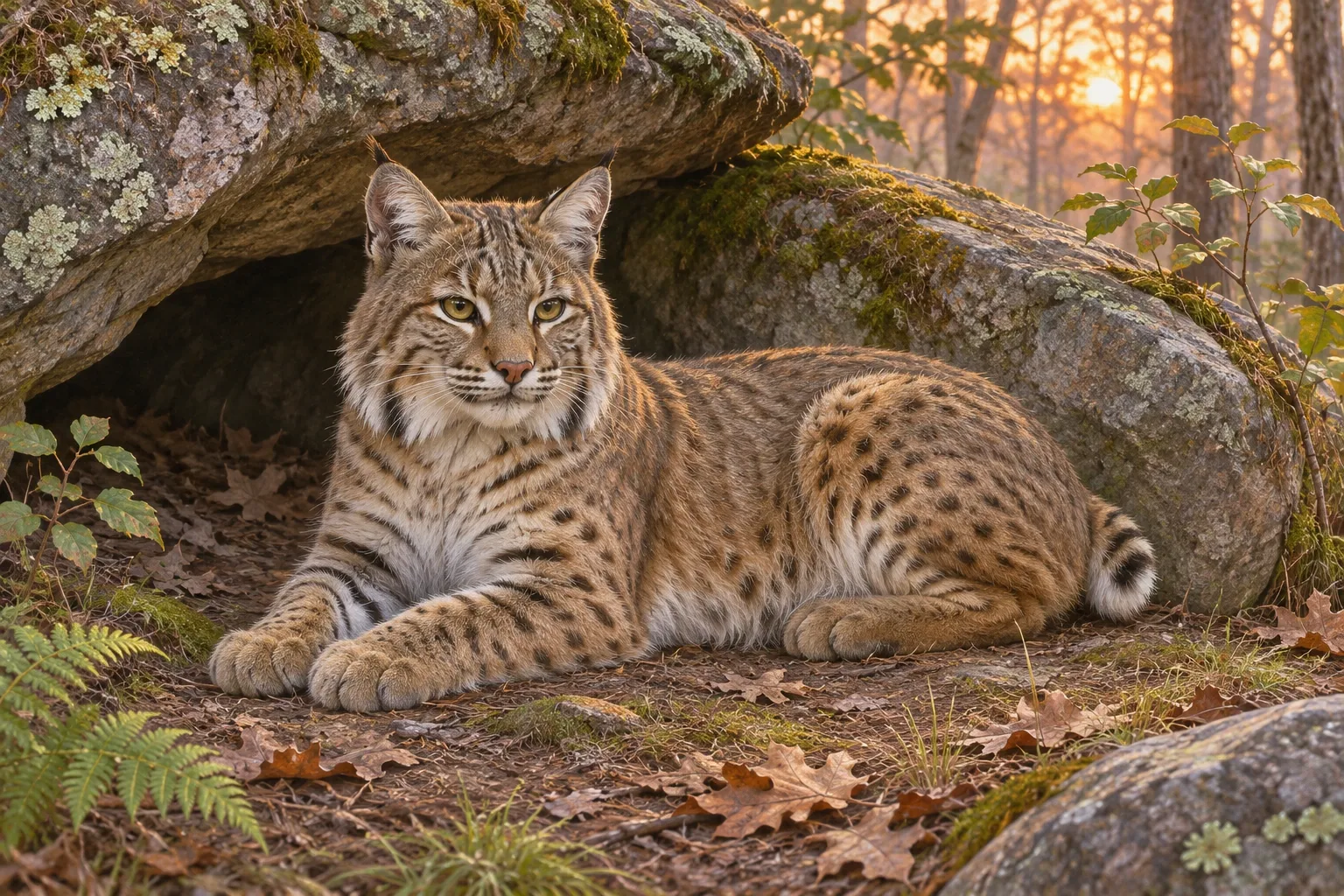
A spotted cat steps quietly beside the trees. Its short tail and small ear tufts reveal a bobcat.

STEM.org AccreditedEducational wildlife learning for curious explorers ages 4–10
Featured video: The Bobcat
Quick facts
Bobcat Animal File
Scan the essentials, then explore each topic below.
HomeSouthern Canada, the United States, and Mexico
DietRabbits, hares, rodents, and birds
Length0.5 to 1.2 meters (1.6 to 3.9 feet) head and body, excluding the 9–25 cm (3.5–10 inch) tail
ConservationLeast Concern
Get to know bobcats
A Quiet Cat in the Brush
Bobcats live across much of North America. They use forests, scrub, deserts, and other places with shelter.
A bobcat has a cheek ruff, small ear tufts, and a short tail. It often moves around at dawn and dusk.
A Short Tail
A bobcat gets its name from its short tail. The tail has black markings above and white fur underneath.
A Coat for Cover
A bobcat’s spots help it blend into rocks and brush. This makes it harder to see among plants.
A Climbing Cat
Bobcats are skilled tree climbers. They spend much of their time on the ground but can climb trees for shelter.
A Sheltered Den
Bobcats use sheltered dens to raise their kittens. A den may sit between boulders, inside a hollow tree, or beneath thick shrubs.
Explore its habitats: Boreal Forest · Desert
Watch, listen & learn
Watch, Listen & Learn
Watch, listen and learn about the bobcat with Zoobitat.
Play & learn
Try a Bobcat Challenge
Color a bobcat, build a forest and woodland edge habitat, then test what you learned in the quiz.
Try it now
Zoom with +/− or pinch on a touchscreen. Shift-drag to move on desktop.
Color the Bobcat
Fill each area, draw your own details, or erase a change. The bobcat’s outlines always stay clear.
Try it now
Build a Forest and Woodland Edge Habitat
Drag the stickers anywhere in the landscape.
Habitat builder
Forest and Woodland Edge
Place pangolins where they can reach food and shelter, then add ants, a termite mound, a hollow log and leafy cover.
Try it now
Bobcat Quick Quiz
Use what you learned in A Quiet Cat in the Brush. Get all three answers right to unlock your certificate!
0 of 3 correct
Question 1 of 3
1What kind of tail does a bobcat have?
Your Bobcat CertificateAnswer all three questions correctly, using what you learned above, to unlock it.
Why bobcats matter
Keep Wild Cover Connected
Bobcats need sheltered places to rest and raise kittens. Connected patches of wild plants help them travel.
- Watch wild animals from a distance with a grown-up.
- Stay on marked trails near wildlife shelter.
- Learn how wildlife crossings help animals move between habitats.
More From the Animal Field Guide
 Animal Field Guide
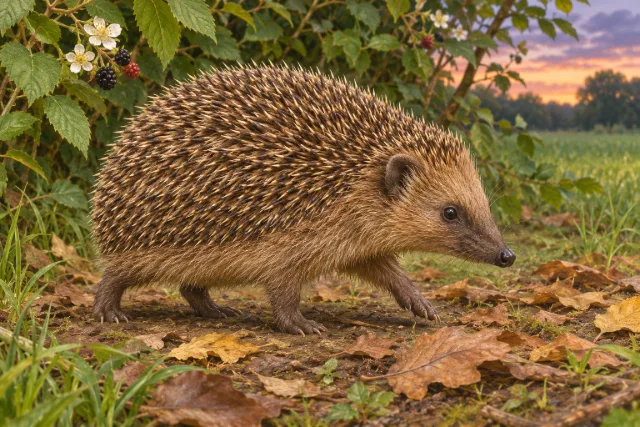
Hedgehogs
A hedgehog can tuck its soft belly inside a spiny ball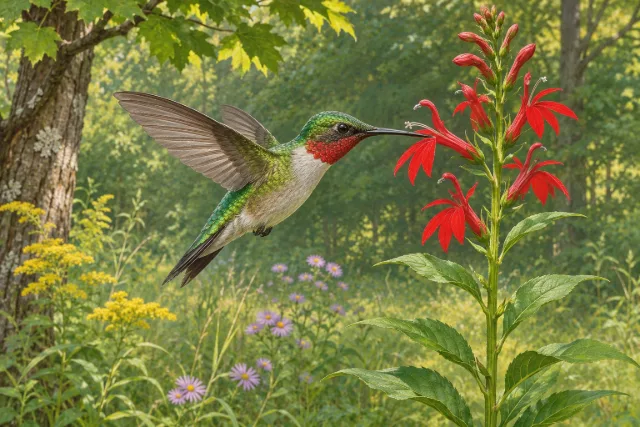 Animal Field Guide
Hummingbirds
Hummingbirds can hover and fly backward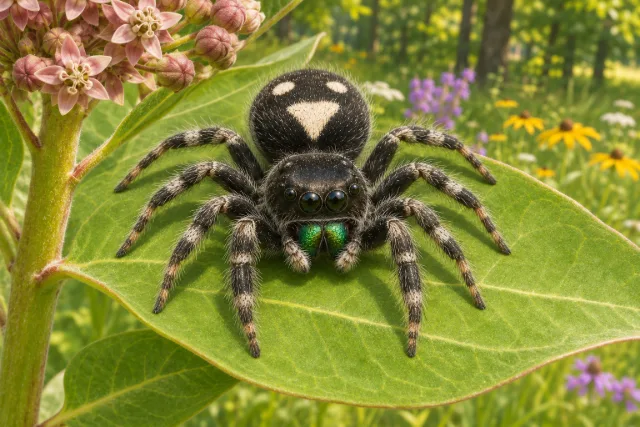 Animal Field Guide
Jumping Spiders
Jumping spiders use sharp vision to plan their leaps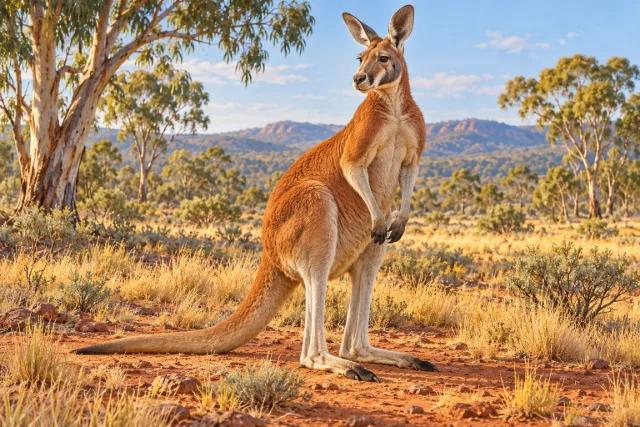 Animal Field Guide
Kangaroos
A muscular tail helps a kangaroo balance and step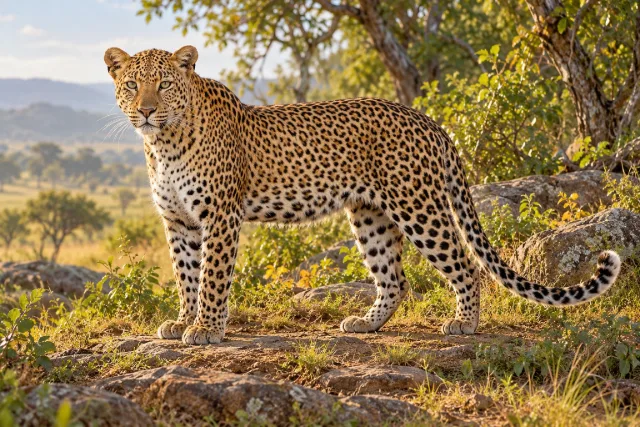 Animal Field Guide
Leopard
A leopard’s flower-shaped markings are called rosettes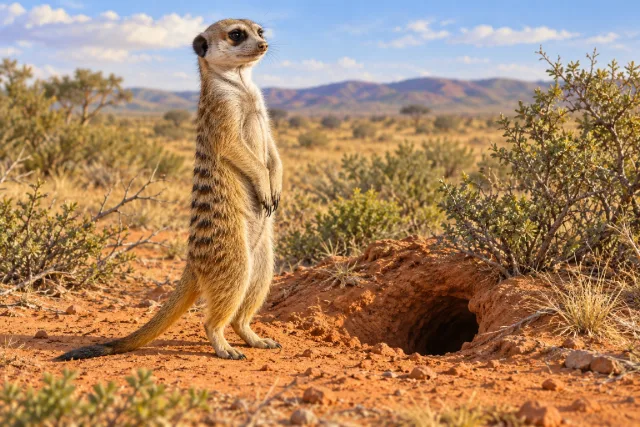 Animal Field Guide
Meerkat
Meerkats take turns keeping watch while companions find food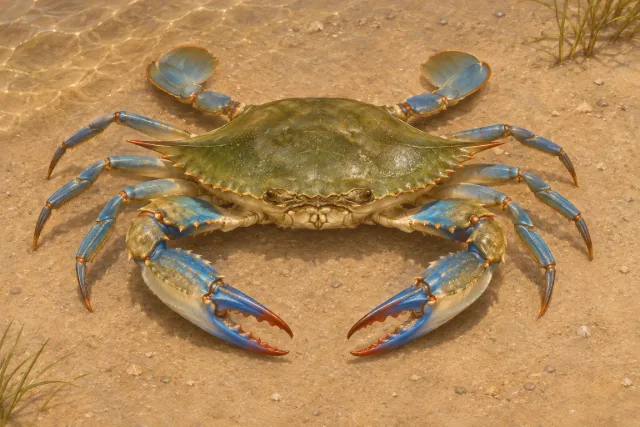 Animal Field Guide
Crabs
A blue crab has flat back legs that work like paddles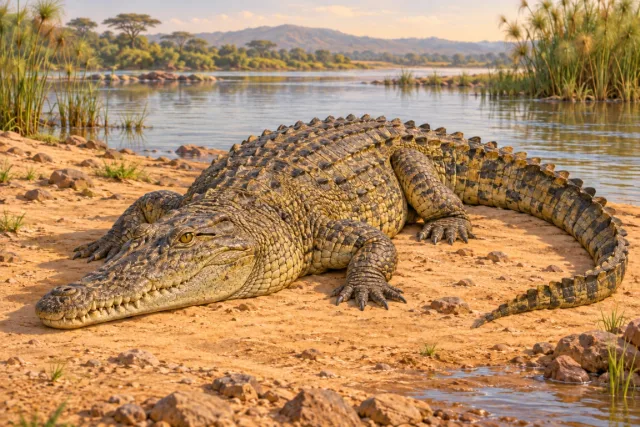 Animal Field Guide
Crocodiles
Crocodiles can hear their babies calling from inside eggs
Lox says: There are more amazing animals and habitats waiting to meet you!
Grown-Up GuideLearning goals, privacy, standards, sources and more resources
For parents, caregivers & educators
Explore with confidence
This guide explains what children can learn, how the page approaches privacy, and where its bobcat information comes from.
✓ STEM.org Accredited✓ NGSS-aligned learning✓ COPPA-conscious design
Learning goals
Recognize a bobcat and connect camouflage, climbing, and sheltered dens to its life.
Try exploring together
- Compare a bobcat’s short tail with a house cat’s tail.
- Hide a spotted paper cat against patterned paper.
- Find Canada, the United States, and Mexico on a map.
Privacy by design
This page uses a data-minimizing, COPPA-conscious approach. It does not ask children for a name, birthdate, email address, account, photo, voice recording, camera, microphone or precise location.
The games work without sign-in, media never autoplays, and embedded videos use YouTube’s privacy-enhanced domain.
Learn about COPPA at the FTC ↗STEM & NGSS connections
Zoobitat’s free wildlife and nature education program has earned the STEM.org Accredited™ Trustmark. This page supports observation, evidence-based discussion and life-science learning.
- 2-LS4-1: Compare the diversity of life in different habitats ↗
- 3-LS4-4: Explain how habitat change affects organisms ↗
Science sources
Bobcat facts were checked against the following wildlife organizations and educational references:
- IUCN Cat Specialist Group ↗Body and tail measurements, weight, tail markings, range, varied habitats and threats.
- Smithsonian’s National Zoo ↗Spotted camouflage, cottontail prey, sheltered dens, activity and solitary behavior.
- Texas Parks and Wildlife ↗Climbing for refuge, rocky dens, cheek ruff and small ear tufts.
- IUCN Red List ↗Global Least Concern, stable trend, assessed 11 February 2016.
More from Zoobitat
Keep exploring with free educational resources for families, caregivers and educators:
- Free Wildlife Exhibits Download educational exhibit artwork for zoos, aquariums, schools and community spaces.
- Educator Resources Explore free materials created for classrooms, homeschool learning and family discovery.
- Early Readers Meet wildlife through illustrated, kid-friendly Zoobitat Animal Rescue stories.
- Activity Books Continue learning with wildlife-themed puzzles, activities and creative challenges.
- Zoobitat Expeditions Follow conservation adventures and discover animals and habitats in the field.
- Meet the Hosts Discover the zoos, museums, aquariums and other organizations that have hosted Zoobitat’s free, museum-quality wildlife exhibits.
Media & accessibility record
Character and bobcat visuals are Zoobitat educational assets. Voiceovers require a deliberate play action. Interactive controls have descriptive labels and are keyboard accessible.
Picture credits: Zoobitat Studios, LLC.