
White Rhino Cartoon & Facts for Kids
Travel to the grasslands with Zoobitat: Animal Rescue – The White Rhino, a free educational cartoon for kids about one of Africa’s largest land animals. In this wildlife adventure, Junior ZoobiRangers Jolly and Jordy help a white rhino in need, while learning about rhino horns, grazing, calves, and the savanna habitats these powerful animals call home.
Zoobitat’s animal stories are designed to support STEM-approved and NGSS-aligned learning in a simple, kid-friendly way. This episode can help introduce young learners to life science topics such as animal traits, habitats, ecosystems, food sources, survival needs, and the ways living things depend on their environment. Watch the episode, then keep exploring with white rhino facts, learning questions, and more Zoobitat resources below.
About This Episode
In The White Rhino, Jolly and Jordy meet a rhino who needs help and learn what makes this animal so special. Along the way, young viewers are introduced to the grassland world of white rhinos — a habitat with grasses, mud wallows, watering areas, and many other animals that share the same ecosystem.
The episode uses adventure, humor, and teamwork to help children understand that rhinos are not just big, horned animals. They are plant-eating mammals with special traits that help them survive. The story is designed for kids who love animals, nature, cartoons, and rescue adventures.
White Rhino Fun Facts for Kids
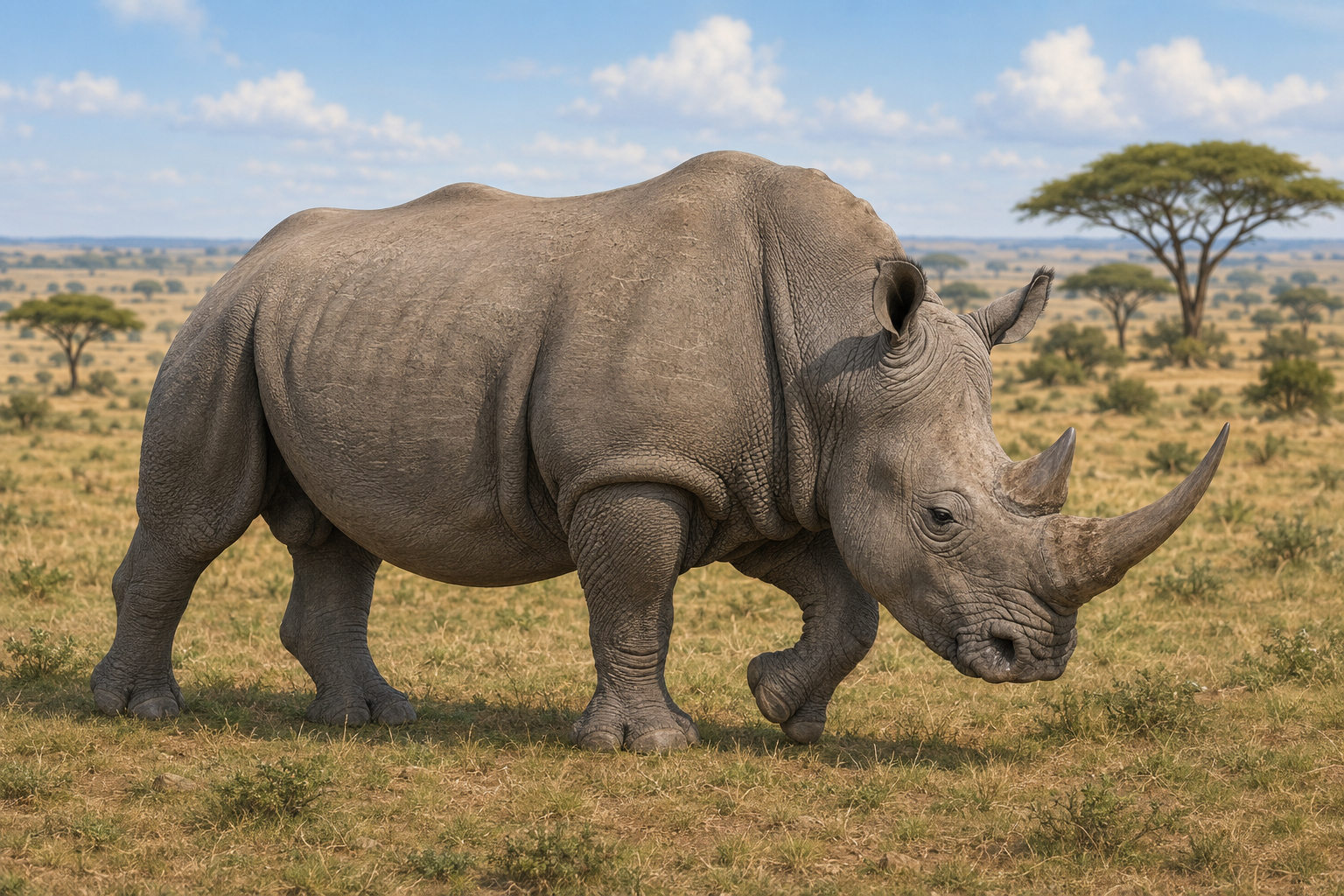
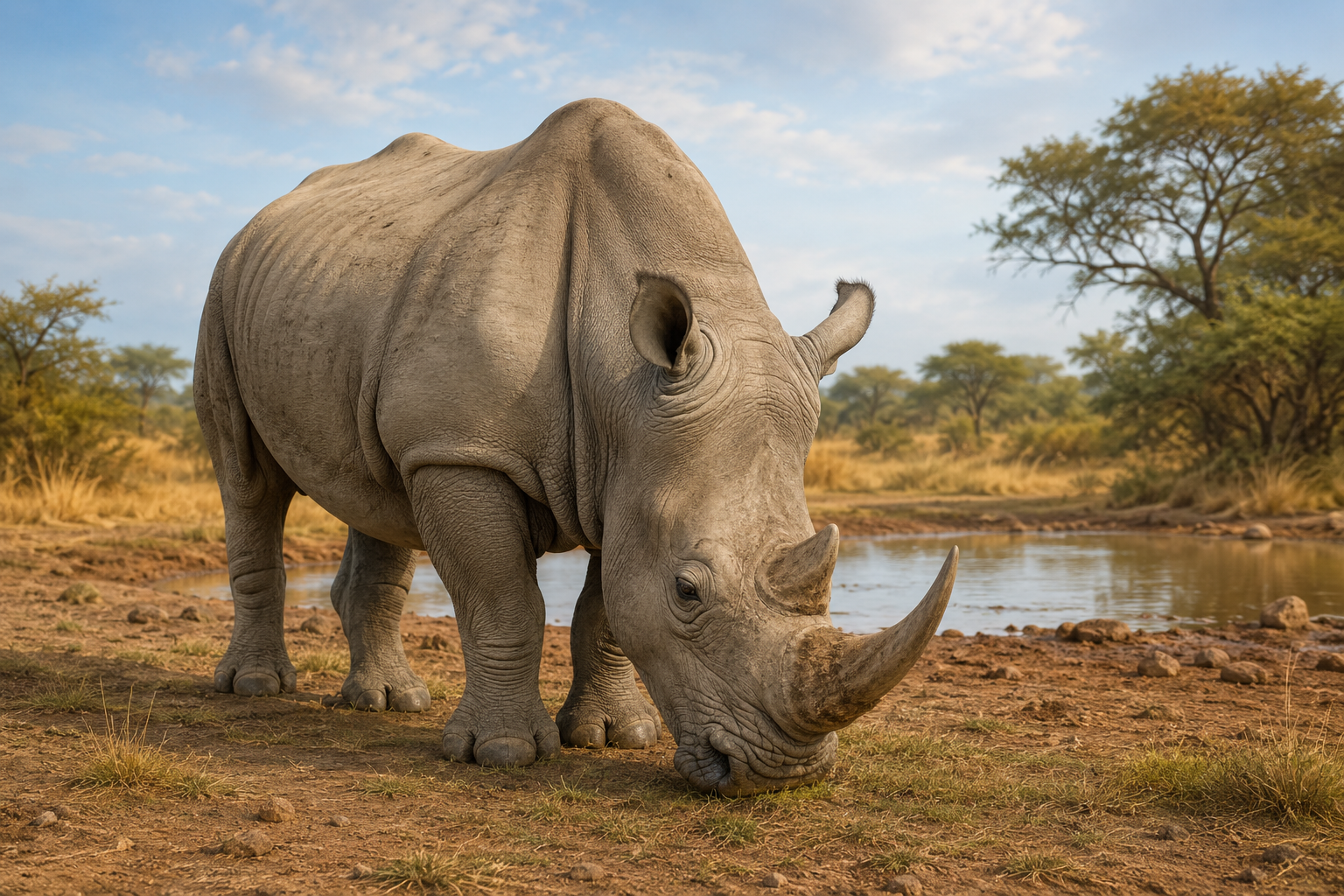
White rhinos are large African mammals. They have thick gray skin, strong bodies, short legs, two horns, and a wide mouth. Their name can be confusing because white rhinos are not actually white — they are usually grayish in color.
White rhinos live in Africa, especially in grassy savanna and open woodland habitats. The International Rhino Foundation describes white rhinos as living in long- and short-grass savannas, where their wide, square upper lip helps them feed on grasses.
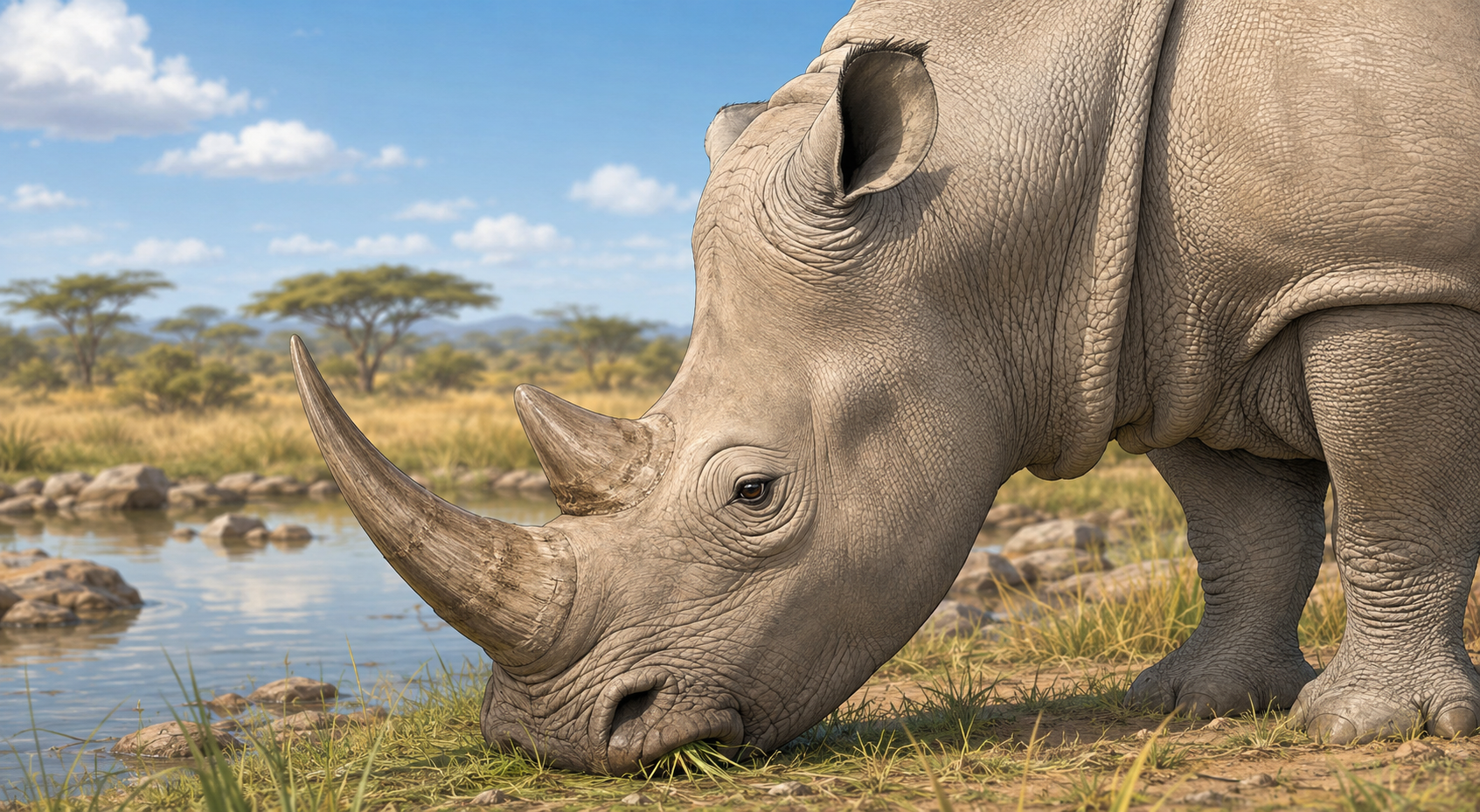
White rhinos are grazers, which means they eat mostly grass. Their broad, square-shaped mouths work almost like a lawn mower, helping them crop grass close to the ground. WWF explains that white rhinos have square upper lips because they are grazers, while black rhinos have hooked upper lips because they browse from bushes and trees.
Rhino horns are made of keratin, the same material found in human fingernails and hair. Rhinos may use their horns to defend themselves, guide calves, dig, or interact with other rhinos, but the horn is also one reason rhinos are threatened by poaching.
White rhinos can be social compared with some other rhino species. Mothers care for their calves, and young rhinos stay close to their mothers as they grow. San Diego Zoo notes that a rhino mother may care for her calf for up to four years, unless she has another baby sooner.
There are two white rhino subspecies: the southern white rhino and the northern white rhino. The southern white rhino is one of conservation’s better-known recovery stories, but the northern white rhino is in extreme danger. Ol Pejeta Conservancy reported in 2026 that it is home to the last two northern white rhinos on the planet, both females.
White rhinos still need protection. WWF says white rhinos are listed as Near Threatened, with habitat loss, degradation, and poaching among the main threats facing rhinos.
Why White Rhinos Matter
White rhinos are important grazers. As they move through grassland habitats and eat grasses, they help shape the savanna ecosystem around them. Their grazing can create shorter grassy areas that other animals may use.
Rhinos also help kids understand how living things depend on their habitats. A white rhino needs grass to eat, water to drink, space to move, mud to help cool its skin, and safe areas where calves can grow. When people protect rhino habitats, they also help protect many other plants and animals that share the same grassland home.
Kids can help by learning about rhinos, never buying wildlife products, reducing waste, respecting wild animals from a safe distance, and sharing what they learn with others. Every ZoobiRanger can help protect nature by staying curious and caring about animals and their habitats.
White Rhino FAQ
Are white rhinos actually white?
No. White rhinos are usually gray. Their name can be confusing, but they are not bright white animals.
Where do white rhinos live?
White rhinos live in parts of Africa, especially in grassy savanna and open woodland habitats.
What do white rhinos eat?
White rhinos are herbivores and grazers. They mostly eat grass.
Why do white rhinos have wide mouths?
Their wide, square mouths help them graze on grass close to the ground.
What are rhino horns made of?
Rhino horns are made of keratin, the same material found in human hair and fingernails.
Are white rhinos endangered?
The overall white rhino species is listed as Near Threatened, but the northern white rhino subspecies is functionally extinct, with only two known females remaining. Conservation status can vary by subspecies and region.
How can kids help white rhinos?
Kids can help by learning about rhinos, protecting habitats, avoiding wildlife products, reducing waste, and sharing rhino facts with friends and family.
Fact Sources & Parent Notes
Zoobitat’s white rhino facts were checked against the International Rhino Foundation, WWF, San Diego Zoo Wildlife Alliance, IUCN, and Ol Pejeta Conservancy. These sources were used for information about white rhino habitat, grazing diet, square upper lip, calf care, conservation status, subspecies differences, and threats such as poaching and habitat loss.
Sources:
International Rhino Foundation — White Rhino
WWF — Rhino Facts
San Diego Zoo Animals & Plants — Rhinoceros
IUCN — Conservation efforts bring cautious hope for African rhinos
Ol Pejeta Conservancy — Northern White Rhino update