
Sumatran Tiger Cartoon & Facts for Kids
Step into the rainforest with Zoobitat: Animal Rescue – The Sumatran Tiger, a free educational cartoon for kids about one of the world’s rarest big cats. In this wildlife adventure, Junior ZoobiRangers Jolly and Jordy help a Sumatran tiger in need, while learning about tigers, their stripes, their hunting skills, and the tropical forest habitats they call home.
Zoobitat’s animal stories are designed to support STEM-approved and NGSS-aligned learning in a simple, kid-friendly way. This episode can help introduce young learners to life science topics such as animal traits, habitats, ecosystems, food sources, survival needs, and the ways living things depend on their environment. Watch the episode, then keep exploring with Sumatran tiger facts, learning questions, and more Zoobitat resources below.
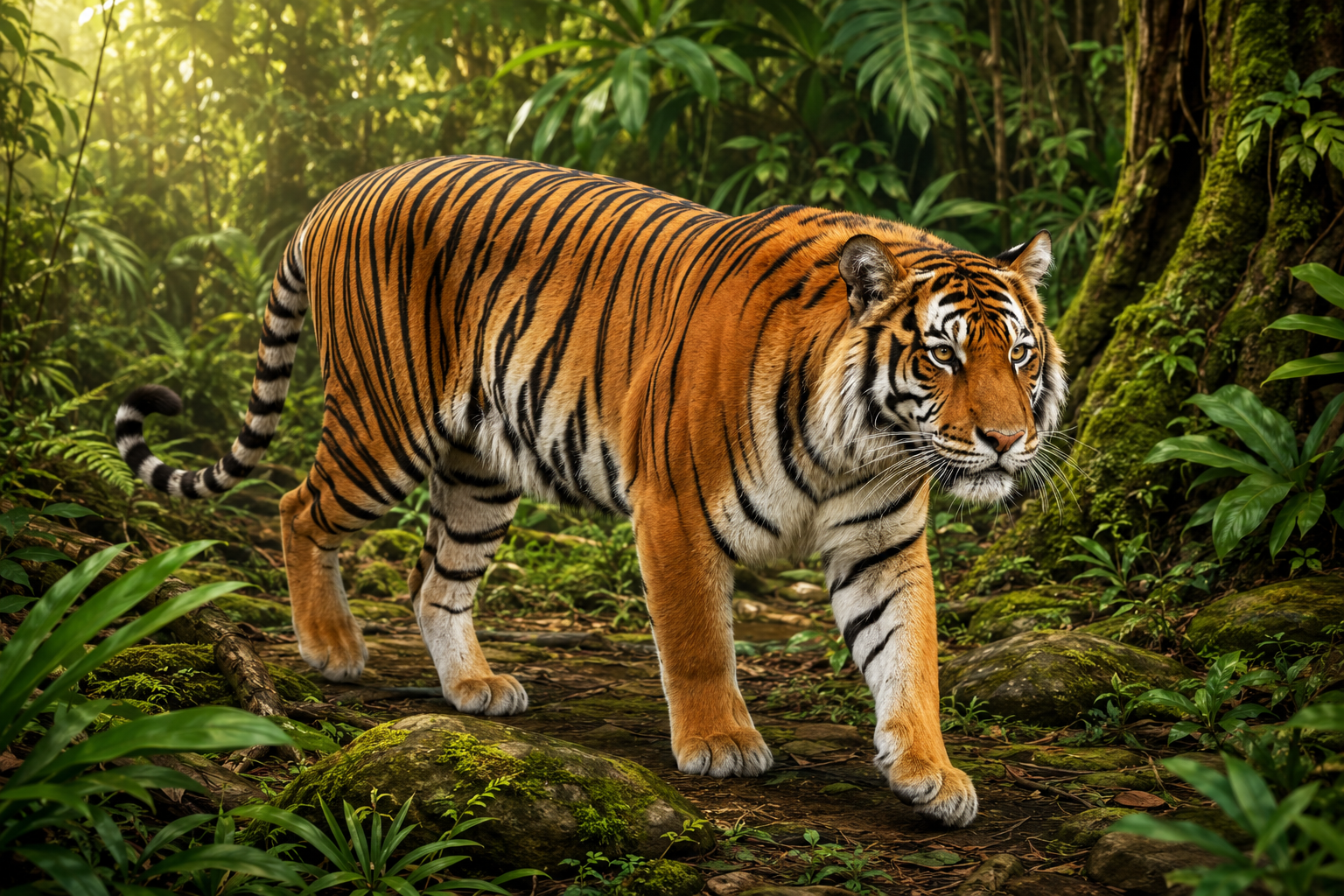
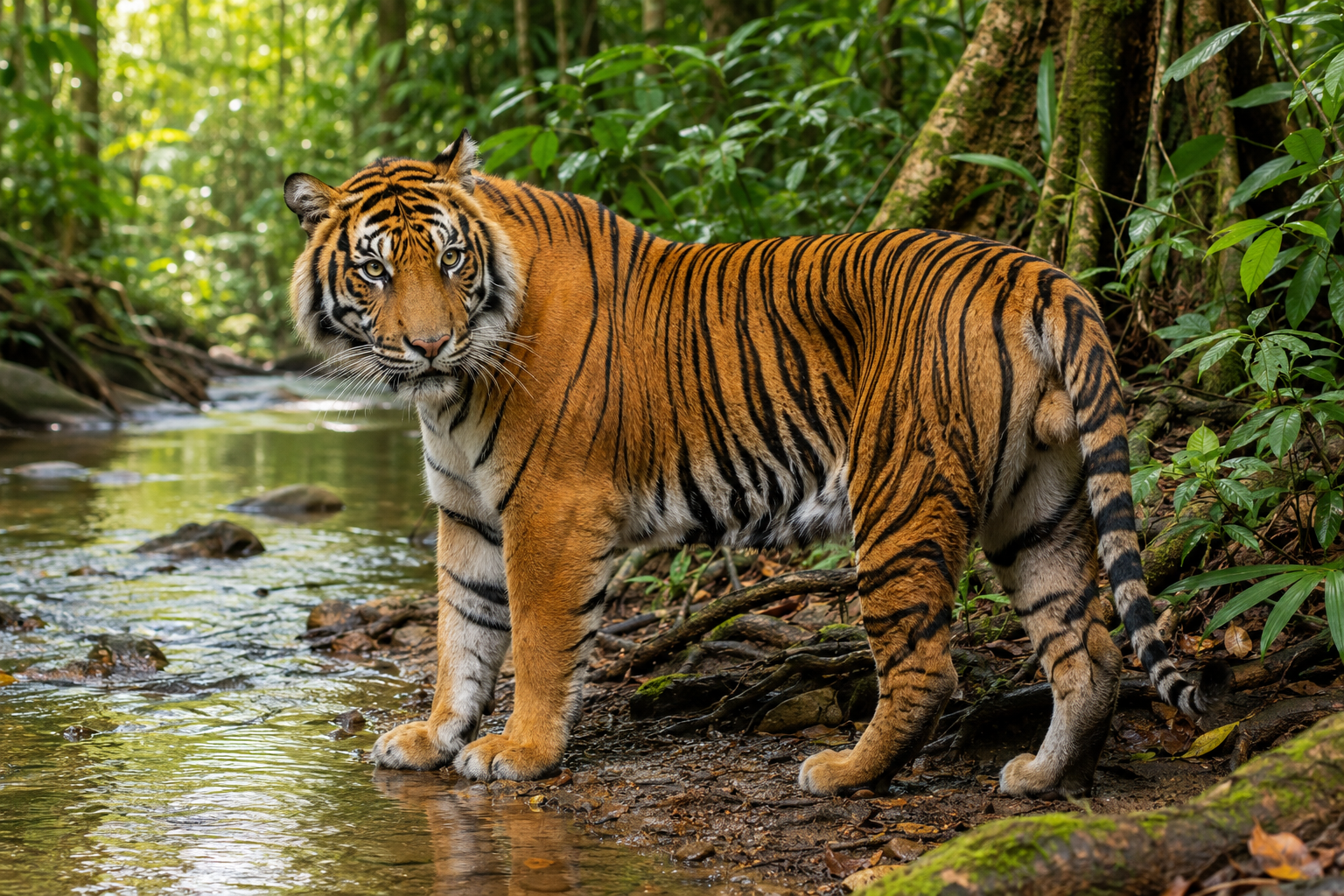
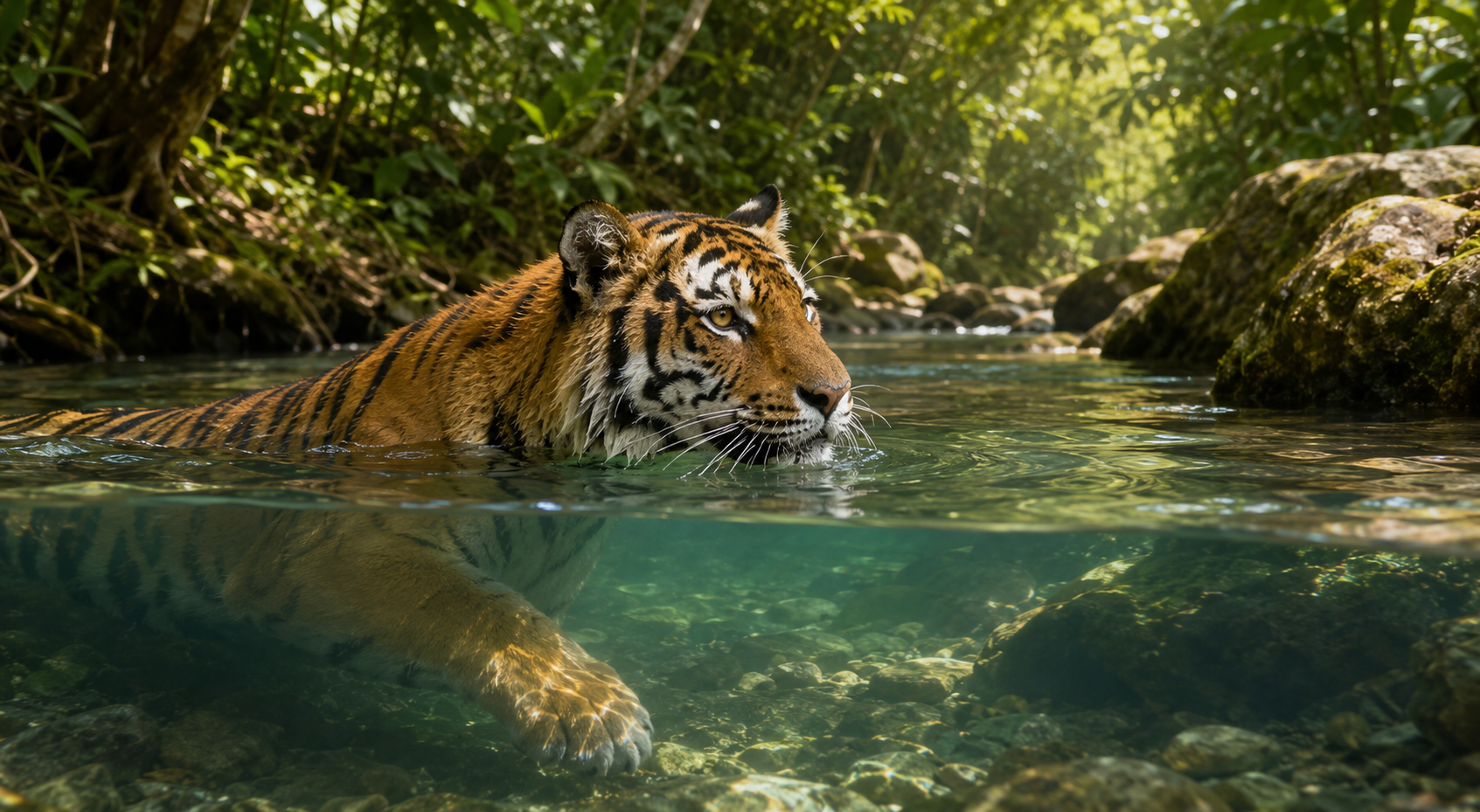
About This Episode
In The Sumatran Tiger, Jolly and Jordy meet a tiger who needs help and learn what makes this animal so special. Along the way, young viewers are introduced to the rainforest world of Sumatra — a habitat filled with trees, rivers, prey animals, and many other living things that depend on the forest.
The episode uses adventure, humor, and teamwork to help children understand that tigers are not just fierce hunters. They are important wild animals with special traits that help them survive. The story is designed for kids who love animals, nature, cartoons, and rescue adventures.
Sumatran Tiger Fun Facts for Kids
Sumatran tigers live only on the Indonesian island of Sumatra. They are the last wild tigers remaining from Indonesia’s Sunda Islands, after the tigers of Java and Bali became extinct. Today, Sumatran tigers survive in the remaining forest habitats of Sumatra. WWF explains that all remaining Sunda tigers are now found only in Sumatra.
Sumatran tigers are the smallest living tiger type, but they are still powerful big cats. Smithsonian’s National Zoo notes that Sumatran tigers are the smallest tiger subspecies, with some reaching up to about 310 pounds and 8 feet long.
A tiger’s stripes are like a fingerprint. No two tigers have exactly the same stripe pattern, which can help scientists identify individual tigers in the wild. Their stripes also help them blend into tall grasses, shadows, and forest plants while they move through their habitat. Smithsonian lists unique stripe patterns as one of its tiger fun facts.
Sumatran tigers are carnivores, which means they eat meat. Tigers are ambush predators that use stealth, strength, sight, and sound to hunt. Their prey can include animals such as wild boar and deer, and tigers are also strong swimmers. Smithsonian describes tigers as ambush predators that primarily hunt large ungulates and notes that tigers are skilled swimmers.
Unlike lions, tigers usually live alone. A mother tiger raises her cubs until they are old enough to hunt and survive on their own. Young tigers learn important skills from their mother before leaving to find their own territory.
Sumatran tigers are critically endangered. Their biggest threats include habitat loss, poaching, loss of prey, and conflict with people. WWF describes deforestation, poaching, illegal wildlife trade, and human-wildlife conflict as major dangers for tigers in Sumatra.
Why Sumatran Tigers Matter
Sumatran tigers are top predators, which means they help keep their ecosystem balanced. By hunting prey animals, tigers play an important role in the rainforest food web. Healthy tiger populations can be a sign that the forest around them is also healthy.
Protecting Sumatran tigers also helps protect many other animals and plants. WWF notes that Sumatra is the only place where tigers, rhinos, orangutans, and elephants live together in the wild, and that protecting tiger habitat benefits many other species too.
Kids can help by learning about tigers, choosing products carefully with grown-up help, reducing waste, recycling when possible, and sharing what they learn with others. Every ZoobiRanger can help protect nature by staying curious and caring about animals and their habitats.
Sumatran Tiger FAQ
Where do Sumatran tigers live?
Sumatran tigers live only on the island of Sumatra in Indonesia.
Are Sumatran tigers the smallest tigers?
Yes. Sumatran tigers are the smallest living tiger type, but they are still large and powerful big cats.
What do Sumatran tigers eat?
Sumatran tigers are carnivores. They eat meat and may hunt animals such as wild boar, deer, and other prey found in their habitat.
Why do tigers have stripes?
Tiger stripes help them blend into grasses, shadows, and forest plants. Each tiger’s stripe pattern is unique.
Do Sumatran tigers live in groups?
No. Tigers usually live alone, except when a mother is raising her cubs.
Are Sumatran tigers endangered?
Yes. Sumatran tigers are critically endangered because of threats such as habitat loss, poaching, illegal wildlife trade, and conflict with people.
How can kids help Sumatran tigers?
Kids can help by learning about rainforest conservation, reducing waste, recycling, choosing wildlife-friendly products with grown-up help, and sharing tiger facts with friends and family.
Fact Sources & Parent Notes
Zoobitat’s Sumatran tiger facts were checked against WWF and Smithsonian’s National Zoo and Conservation Biology Institute. These sources were used for information about Sumatran tiger habitat, size, diet, stripe patterns, behavior, conservation status, and threats such as habitat loss, poaching, illegal wildlife trade, and human-wildlife conflict.