
Pangolin Cartoon & Facts for Kids
Step into the forest with Zoobitat: Animal Rescue – The Pangolin, a free educational cartoon for kids about one of the world’s most unusual mammals. In this wildlife adventure, Junior ZoobiRangers Jolly and Jordy help a pangolin in need, while learning about its armor-like scales, long sticky tongue, insect diet, and the habitats pangolins call home.
Zoobitat’s animal stories are designed to support STEM-approved and NGSS-aligned learning in a simple, kid-friendly way. This episode can help introduce young learners to life science topics such as animal traits, habitats, ecosystems, food sources, survival needs, and the ways living things depend on their environment. Watch the episode, then keep exploring with pangolin facts, learning questions, and more Zoobitat resources below.
About This Episode
In The Pangolin, Jolly and Jordy meet a shy animal who needs help and learn what makes pangolins so special. Along the way, young viewers are introduced to a forest world filled with insects, trees, hiding places, and many living things that depend on the same habitat.
The episode uses adventure, humor, and teamwork to help children understand that pangolins are gentle, important mammals — not reptiles, not anteaters, and not ordinary forest animals. The story is designed for kids who love animals, nature, cartoons, and rescue adventures.
Pangolin Fun Facts for Kids
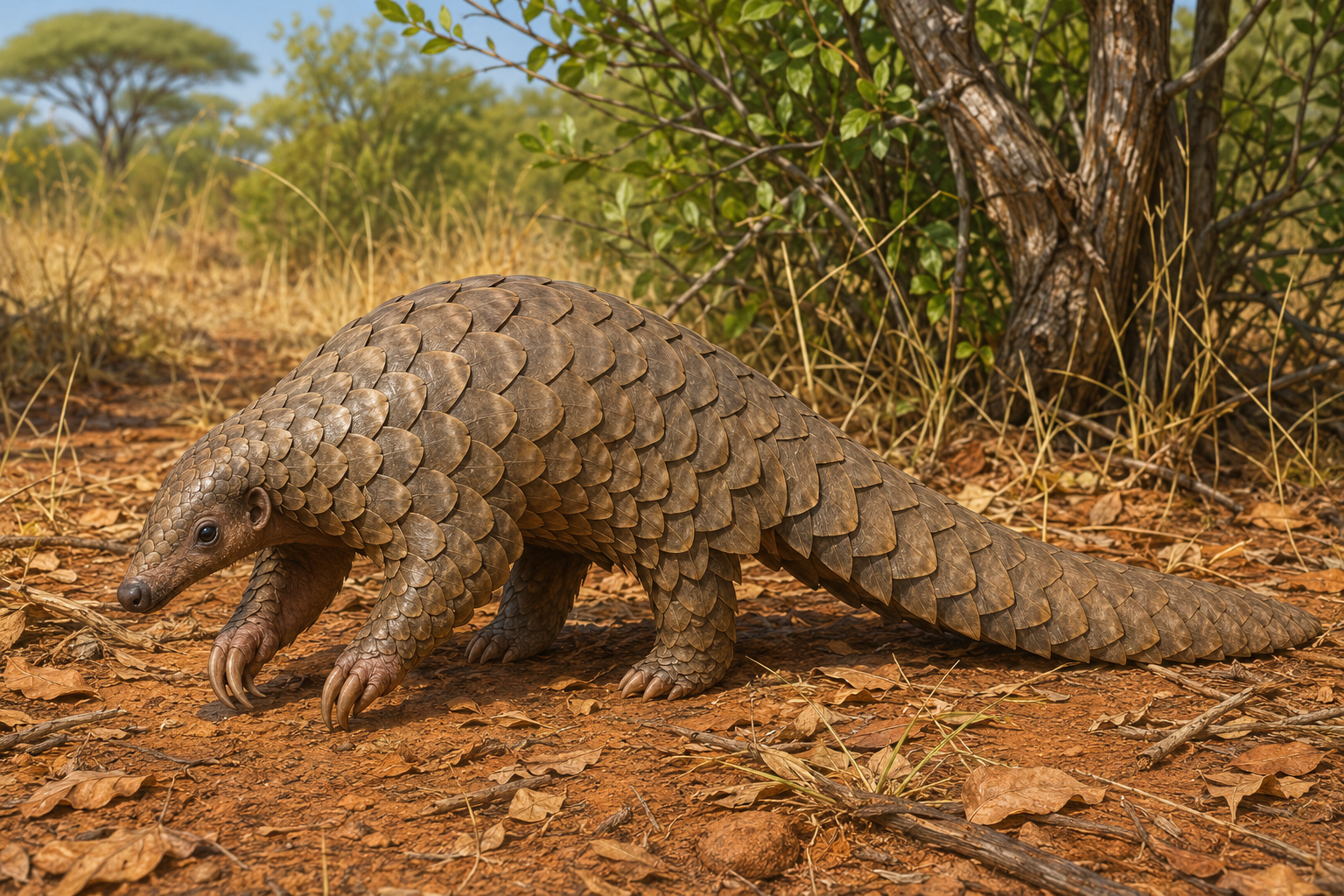
Pangolins are mammals, even though they may look a little like reptiles. They are covered in hard, overlapping scales made of keratin, the same material found in human fingernails. These scales help protect pangolins from predators. When a pangolin feels threatened, it can roll into a tight ball, covering its soft belly and face. National Geographic Kids and San Diego Zoo both describe pangolin scales as keratin-based armor and explain their curling defense.
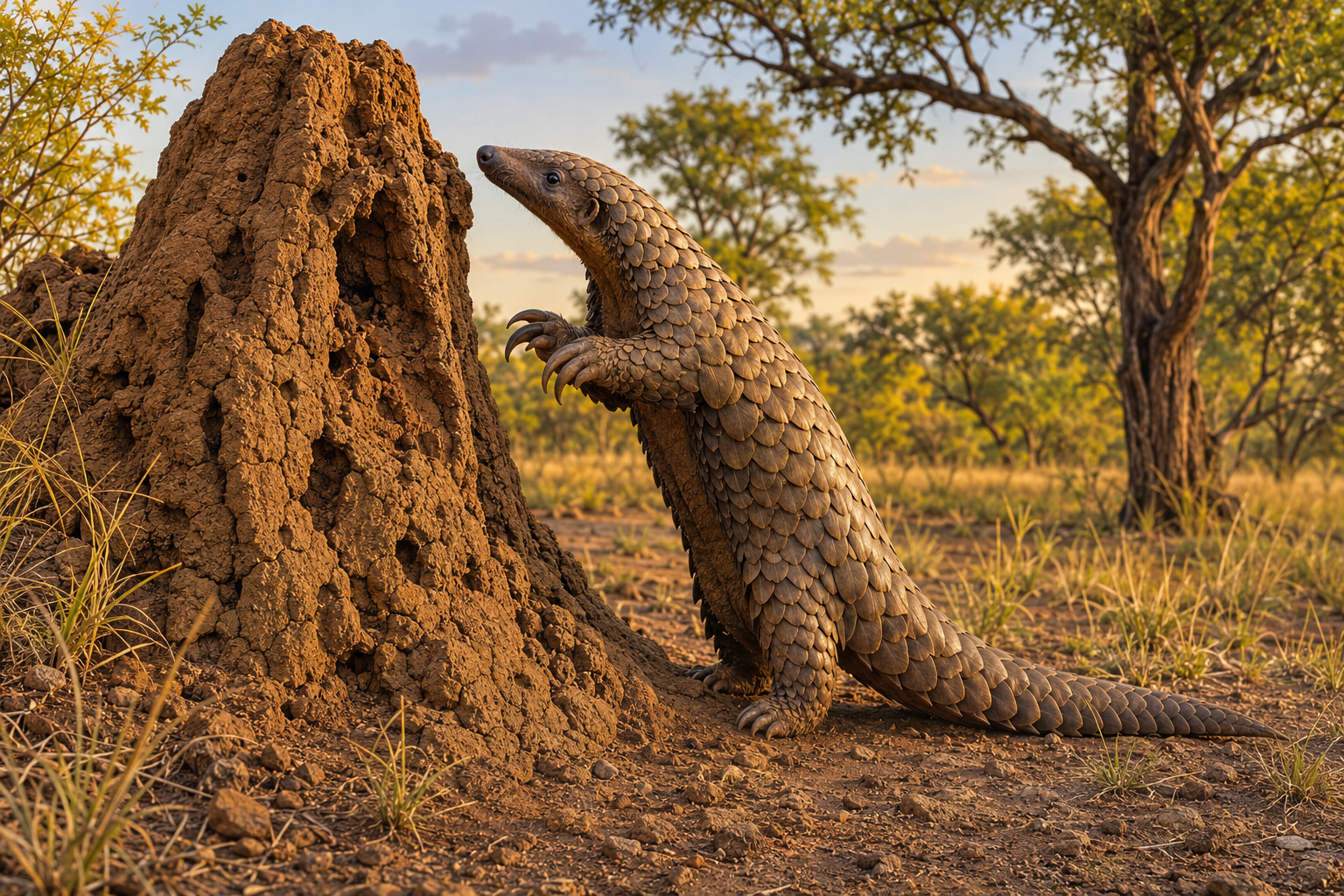
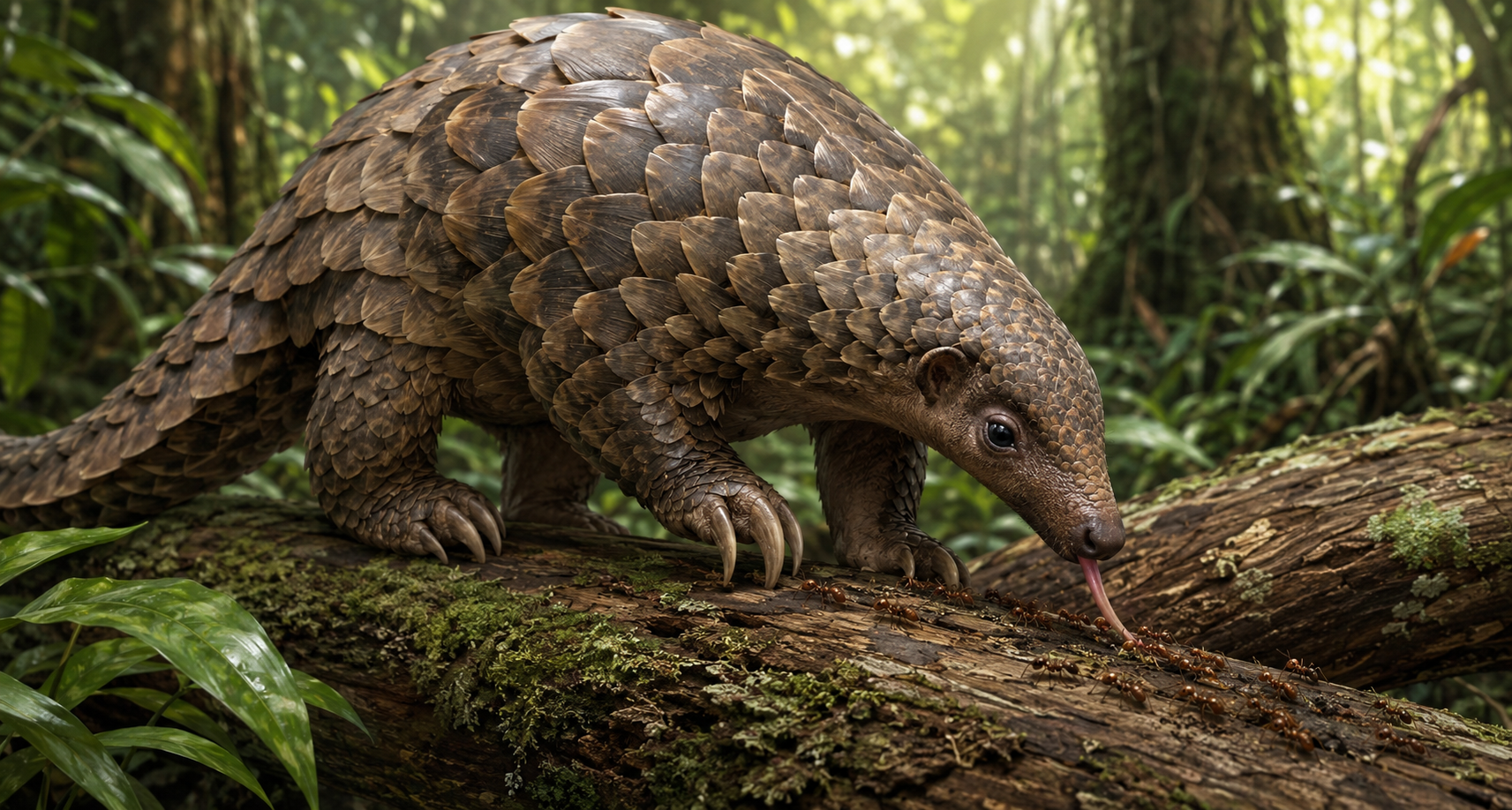
Pangolins are sometimes called “scaly anteaters,” but they are not actually anteaters. They have long snouts, strong claws, and very long sticky tongues that help them eat ants and termites. Pangolins do not have teeth, so they swallow insects whole and use their stomachs to grind up food. San Diego Zoo describes pangolins as mammals in their own family and explains that they use strong claws and sticky tongues to feed on ants and termites.
There are eight pangolin species. Four live in Asia, and four live in Africa. Depending on the species, pangolins may live in rainforests, grasslands, or other habitats. Some pangolins spend most of their time on the ground, while others are good climbers and spend time in trees. National Geographic Kids describes the eight pangolin species and their Asian and African ranges.
Pangolins are mostly active at night. They are usually solitary, which means they spend much of their time alone. At night, they use their strong sense of smell to search for ant nests and termite mounds. Their powerful front claws help them dig into insect homes, and their sticky tongues help them scoop up food. National Geographic Kids and San Diego Zoo both describe pangolins as mostly nocturnal and solitary insect-eaters.
Pangolins are in serious danger. WWF says pangolins are the most trafficked mammals in the world, hunted for their meat, scales, and other body parts. IUCN reported in 2025 that all eight recognized pangolin species remain at high risk of extinction because of overexploitation and habitat loss.
Why Pangolin Matter
Pangolins are important insect-eaters. By eating ants and termites, they help keep insect populations in balance. This makes them part of the larger food web in forests, grasslands, and other habitats.
Pangolins also help kids understand how every animal has special traits for survival. Their scales, claws, long tongue, strong sense of smell, and curling defense all help them live in the wild. Even quiet, shy animals can play an important role in nature.
Kids can help by learning about pangolins, never buying wildlife products, protecting habitats, reducing waste, and sharing what they learn with others. Every ZoobiRanger can help protect nature by staying curious and caring about animals and their habitats.
Pangolin FAQ
Are pangolins reptiles?
No. Pangolins are mammals, even though their scales can make them look a little like reptiles.
What are pangolin scales made of?
Pangolin scales are made of keratin, the same material found in human fingernails.
What do pangolins eat?
Pangolins mostly eat ants and termites. They use strong claws to open insect nests and long sticky tongues to collect food.
Do pangolins have teeth?
No. Pangolins do not have teeth. They swallow insects whole and grind food in their stomachs.
Where do pangolins live?
Pangolins live in parts of Asia and Africa. Depending on the species, they may live in forests, grasslands, or other habitats.
Why do pangolins roll into a ball?
Pangolins roll into a ball to protect their soft belly and face. Their tough scales help shield them from predators.
Are pangolins endangered?
All pangolin species are under serious threat. The biggest dangers include illegal wildlife trade, hunting, overexploitation, and habitat loss.
How can kids help pangolins?
Kids can help by learning about pangolins, avoiding wildlife products, protecting habitats, reducing waste, and sharing pangolin facts with friends and family.
Fact Sources & Parent Notes
Zoobitat’s pangolin facts were checked against WWF, Smithsonian’s National Zoo and Conservation Biology Institute, IUCN, National Geographic Kids, and San Diego Zoo Wildlife Alliance. These sources were used for information about pangolin scales, diet, habitat, nocturnal behavior, defense, conservation status, illegal wildlife trade, and threats such as overexploitation and habitat loss.
Sources:
WWF — Pangolin
Smithsonian’s National Zoo — Pangolins: Health and Conservation
IUCN — Global Pangolin Conservation Status Report / Press Release
National Geographic Kids — Pangolin
San Diego Zoo Wildlife Alliance — Tree Pangolin.