
Panamanian Golden Frog Cartoon & Facts for Kids
Hop into the rainforest with Zoobitat: Animal Rescue – The Panamanian Golden Frog, a free educational cartoon for kids about one of Panama’s most famous amphibians. In this wildlife adventure, Junior ZoobiRangers Jolly and Jordy help a Panamanian golden frog in need, while learning about its bright colors, stream habitat, tiny body, and the special ways frogs survive.
Zoobitat’s animal stories are designed to support STEM-approved and NGSS-aligned learning in a simple, kid-friendly way. This episode can help introduce young learners to life science topics such as animal traits, habitats, ecosystems, food sources, survival needs, and the ways living things depend on their environment. Watch the episode, then keep exploring with Panamanian golden frog facts, learning questions, and more Zoobitat resources below.
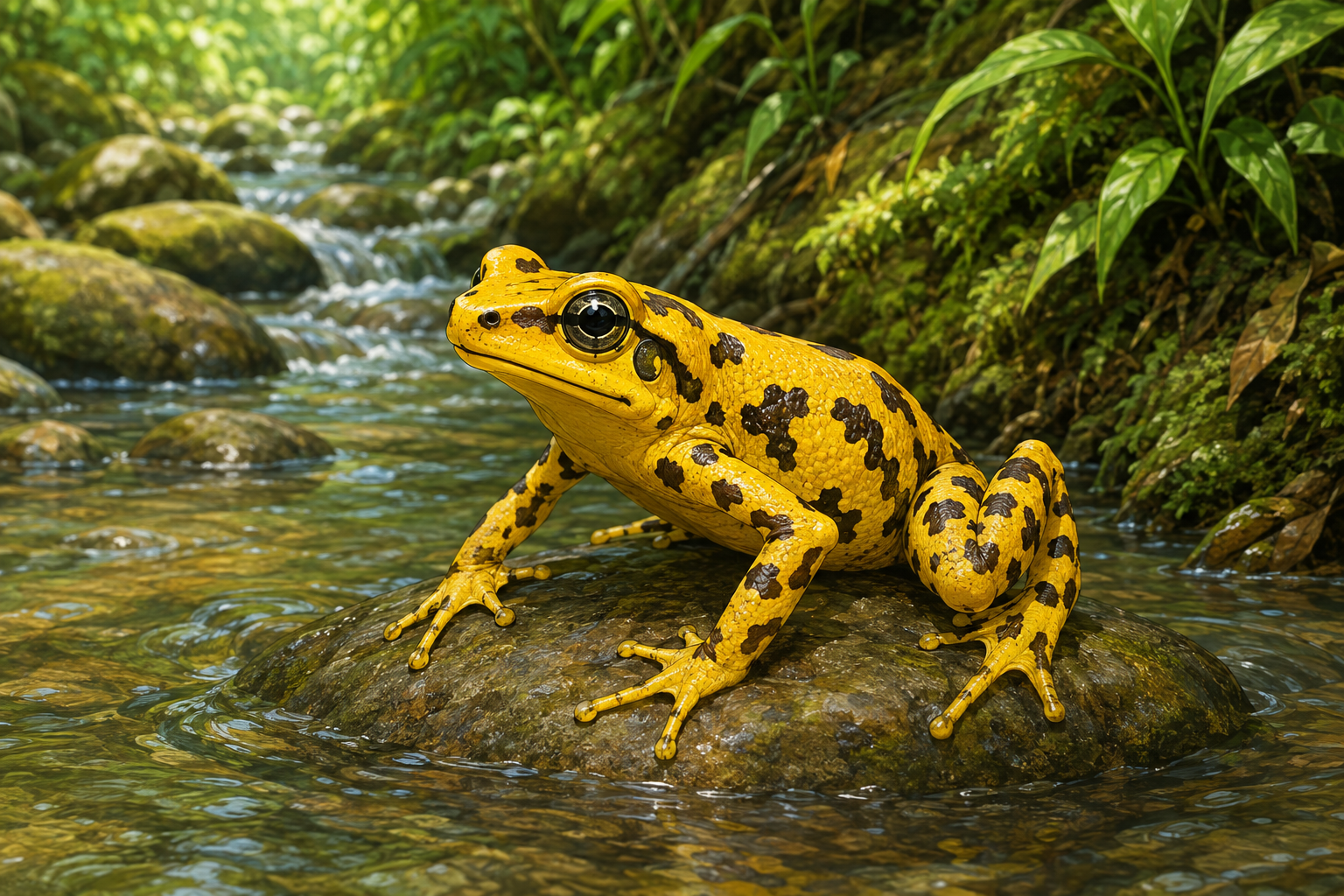
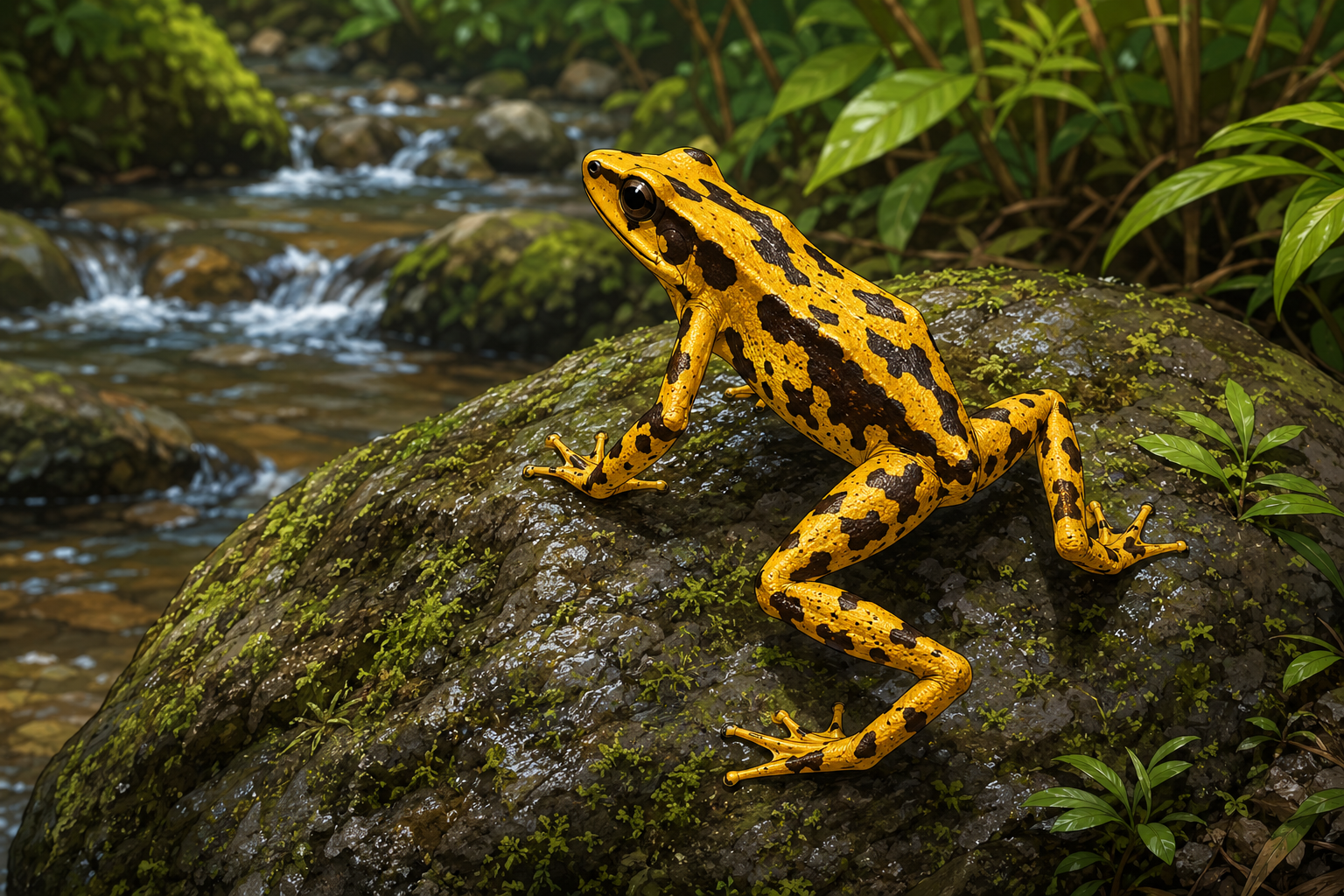
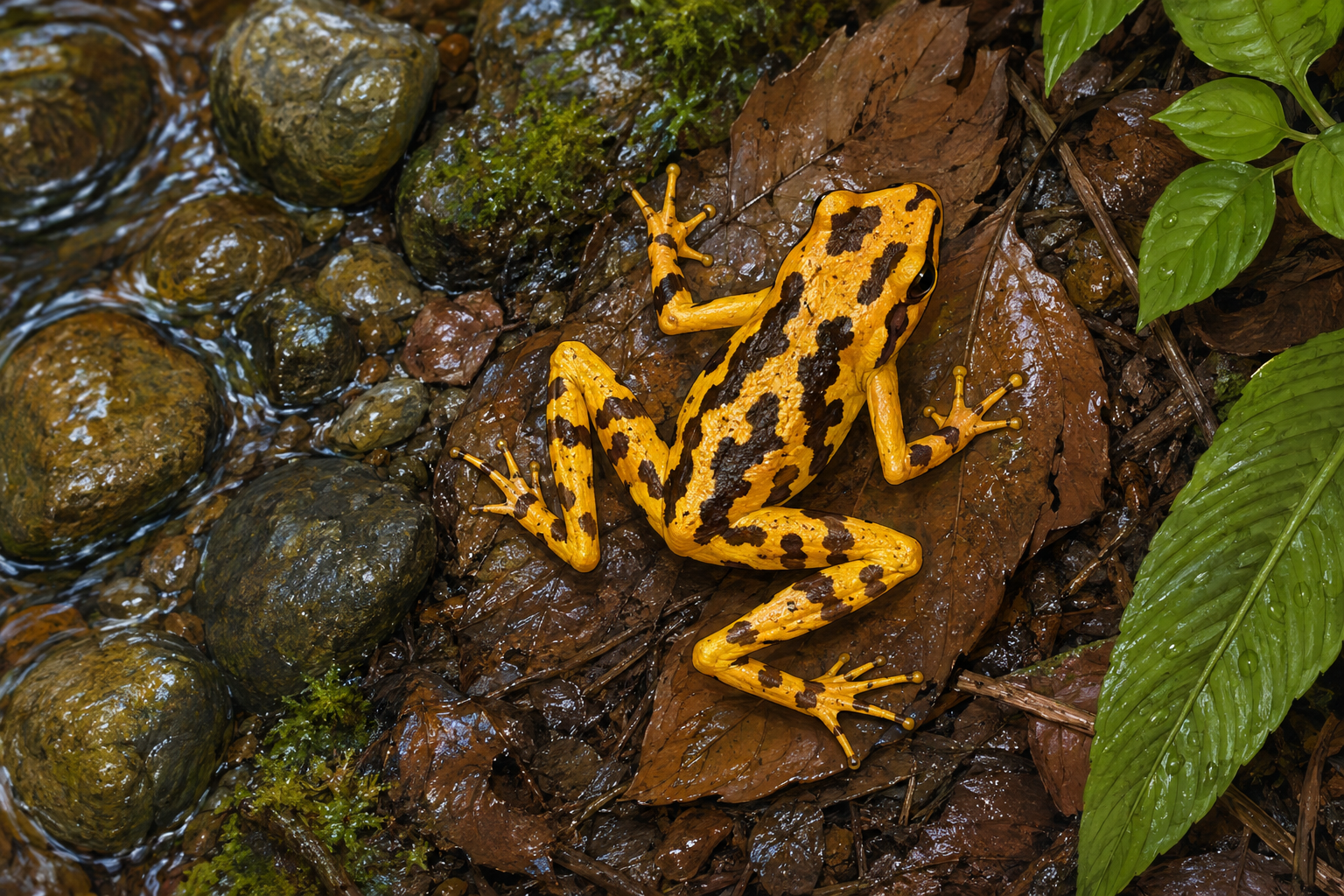
About This Episode
In The Panamanian Golden Frog, Jolly and Jordy meet a small golden frog who needs help and learn what makes this animal so special. Along the way, young viewers are introduced to a rainforest stream habitat filled with rocks, moving water, insects, plants, and hiding places.
The episode uses adventure, humor, and teamwork to help children understand that even tiny animals can be important. Panamanian golden frogs are small, brightly colored amphibians with special traits that help them live near forest streams. The story is designed for kids who love animals, nature, cartoons, and rescue adventures.
Panamanian Golden Frog Fun Facts for Kids
Panamanian golden frogs are tiny, brightly colored amphibians native to Panama. Smithsonian’s National Zoo describes them as small, frog-like toads from the rainforests and cloud forests of Panama, with bright colors that warn predators about their toxicity.
Panamanian golden frogs live near wet forest streams and dry forest streams in the Central Cordilleran rainforests and cloud forests of western-central Panama. San Diego Zoo also describes their home as wet rainforests and dry cloud forests in Panama’s Cordilleran Mountains, where fast-flowing streams are especially important.
Even though they are small, Panamanian golden frogs are famous for their bright yellow or gold color. Their color is a warning sign. In nature, bright colors can tell predators, “Do not eat me!” San Diego Zoo explains that the frog’s diet helps make its skin secretions toxic, and Smithsonian notes that golden frogs in human care are safer for keepers because they are fed different insects.
Panamanian golden frogs eat small insects and other tiny invertebrates. They are active during the day, which is called being diurnal. They may look easy to spot, but their bright color helps protect them by warning other animals that they are not a good meal.
One of the coolest things about Panamanian golden frogs is that they can “wave.” San Diego Zoo explains that golden frogs use hand and foot movements as a kind of visual signal. This can help them communicate near loud streams, where sound may be harder to hear.
Panamanian golden frogs are in serious danger. Smithsonian says the species is classified as Critically Endangered and notes that no individual has been seen in the wild throughout its historic range since 2009. Major threats include chytridiomycosis, a disease caused by amphibian chytrid fungus, along with habitat loss, fragmentation, and over-collection for the pet trade.
There is still hope for Panamanian golden frogs. Conservation groups have kept assurance populations in human care, and the Panama Amphibian Rescue and Conservation Project reports that more than 1,000 adult golden frogs are now managed at more than 50 participating U.S. and Canadian institutions. Smithsonian also reported recent trial releases as scientists study how to someday return these frogs to the wild.
Why Panamanian Golden Frogs Matter
Panamanian golden frogs matter because they are part of their stream and forest ecosystems. As small insect-eaters, they help connect the tiny animals they eat with the larger animals and habitats around them.
They also help kids understand why amphibians are important. Frogs and toads can be sensitive to changes in their environment, so their health can tell scientists something about the health of the places where they live. Protecting Panamanian golden frogs also means protecting rainforest streams, clean water, and other living things that share the same habitat.
Kids can help by learning about amphibians, keeping waterways clean, reducing pollution, protecting forests, never taking wild animals as pets, and sharing what they learn with others. Every ZoobiRanger can help protect nature by staying curious and caring about animals and their habitats.
Panamanian Golden Frog FAQ
Are Panamanian golden frogs really frogs?
They are commonly called frogs, but they are also described as frog-like toads. For kids, “Panamanian golden frog” is the familiar common name.
Where do Panamanian golden frogs live?
They are native to Panama, especially rainforest and cloud forest stream habitats in western-central Panama.
What do Panamanian golden frogs eat?
They eat small insects and other tiny invertebrates.
Why are Panamanian golden frogs yellow?
Their bright yellow or gold color warns predators that they are toxic and should not be eaten.
Do Panamanian golden frogs make sounds?
Yes, males can make calls, but these frogs are also famous for using hand and foot “waving” signals to communicate near noisy streams.
Are Panamanian golden frogs endangered?
Yes. Panamanian golden frogs are Critically Endangered. They have disappeared from their historic wild range, mainly because of amphibian chytrid fungus, along with habitat loss and other threats.
Are there still Panamanian golden frogs alive?
Yes. They survive in managed-care conservation programs, zoos, and breeding facilities. Scientists and conservation teams are working to protect the species and study possible future returns to the wild.
How can kids help Panamanian golden frogs?
Kids can help by learning about amphibians, protecting clean water, reducing pollution, never taking wild animals as pets, and sharing frog conservation facts with friends and family.
Fact Sources & Parent Notes
Zoobitat’s Panamanian golden frog facts were checked against Smithsonian’s National Zoo and Conservation Biology Institute, San Diego Zoo Wildlife Alliance, the Panama Amphibian Rescue and Conservation Project, and The Maryland Zoo. These sources were used for information about Panamanian golden frog habitat, diet, bright warning colors, toxicity, visual “waving” communication, conservation status, chytrid fungus, habitat loss, managed-care populations, and reintroduction research.
Sources:
Smithsonian’s National Zoo — Panamanian Golden Frog
San Diego Zoo Wildlife Alliance — Panamanian Golden Frog
Panama Amphibian Rescue and Conservation Project — Panamanian Golden Frog
The Maryland Zoo — Panamanian Golden Frog
Smithsonian’s National Zoo — Scientists Trial Reintroductions of Panamanian Golden Frogs