
Great Hammerhead Shark Cartoon & Facts for Kids
Dive into the ocean with Zoobitat: Animal Rescue – The Great Hammerhead Shark, a free educational cartoon for kids about one of the ocean’s most recognizable sharks. In this wildlife adventure, Junior ZoobiRangers Jolly and Jordy help a great hammerhead shark in need, while learning about sharks, ocean habitats, and the amazing senses these animals use to survive.
Zoobitat’s animal stories are designed to support STEM-approved and NGSS-aligned learning in a simple, kid-friendly way. This episode can help introduce young learners to life science topics such as animal traits, habitats, ecosystems, food sources, survival needs, and the ways living things depend on their environment. Watch the episode, then keep exploring with great hammerhead shark facts, learning questions, and more Zoobitat resources below.
About This Episode
In The Great Hammerhead Shark, Jolly and Jordy meet a shark who needs help and learn what makes this ocean animal so special. Along the way, young viewers are introduced to the marine world — a habitat filled with fish, rays, coral reefs, open water, and many different kinds of ocean life.
The episode uses adventure, humor, and teamwork to help children understand that sharks are important animals, not just scary ones. Great hammerhead sharks are powerful predators, but they are also part of a balanced ocean ecosystem. The story is designed for kids who love animals, nature, cartoons, and rescue adventures.
Great Hammerhead Shark Fun Facts for Kids
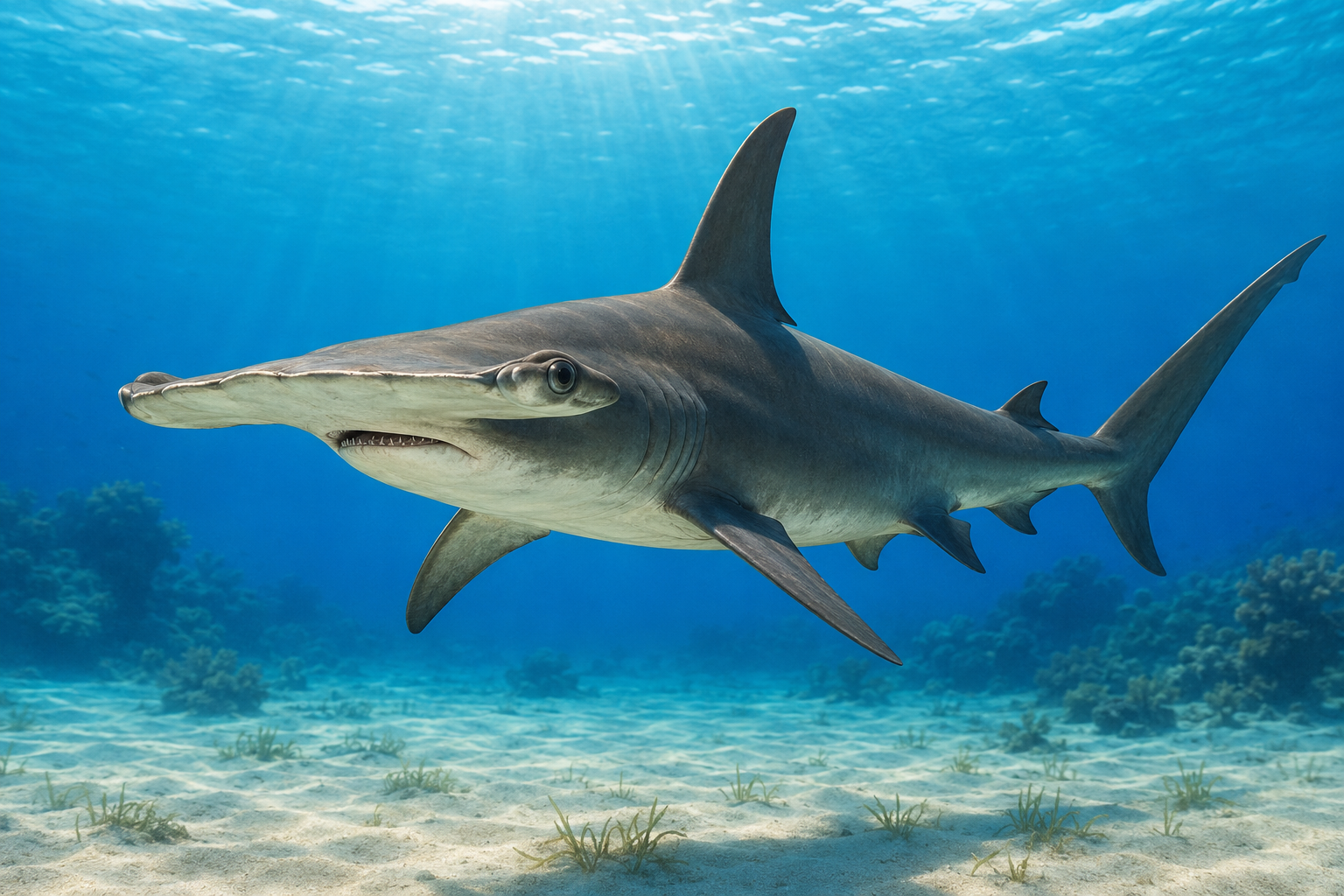
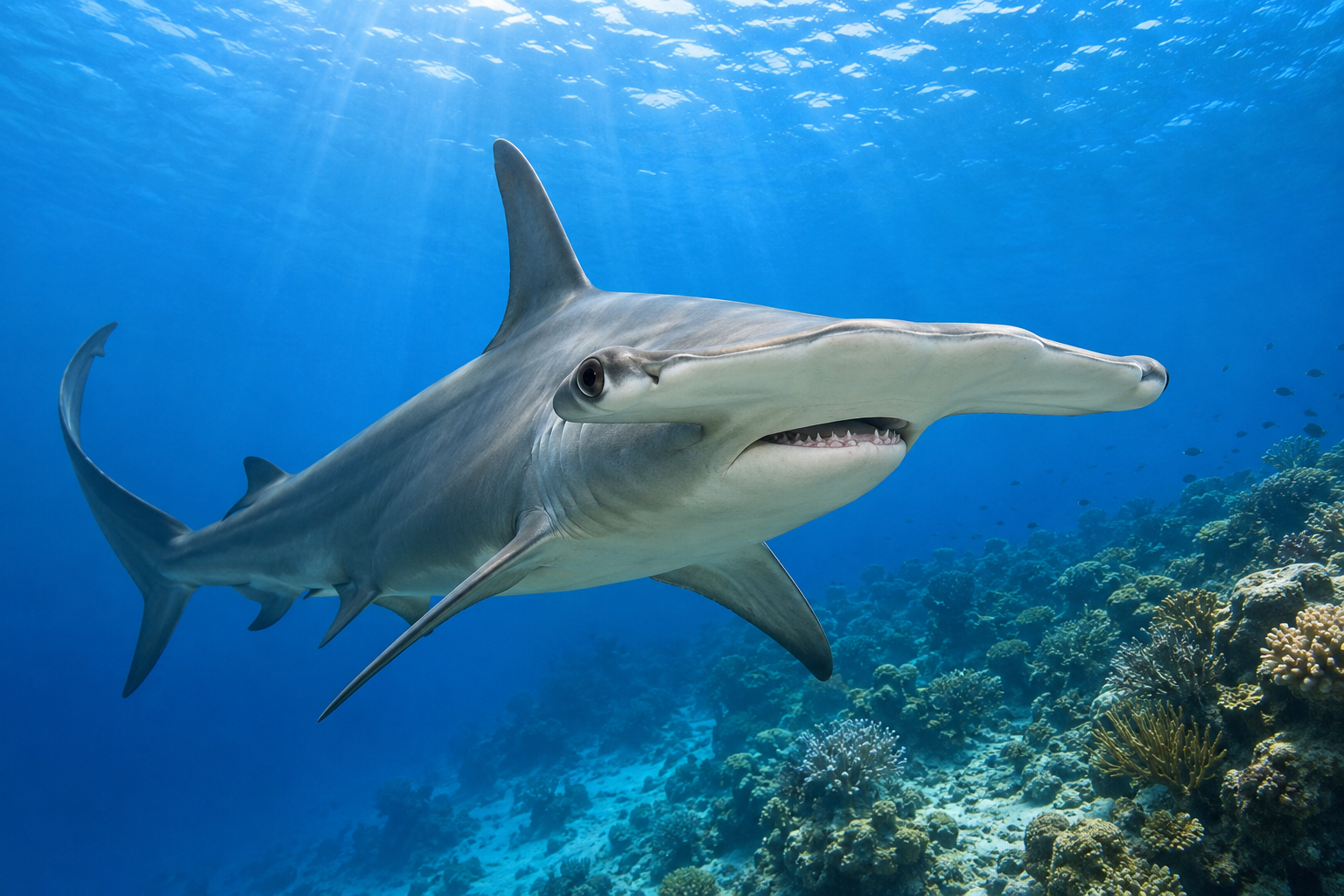
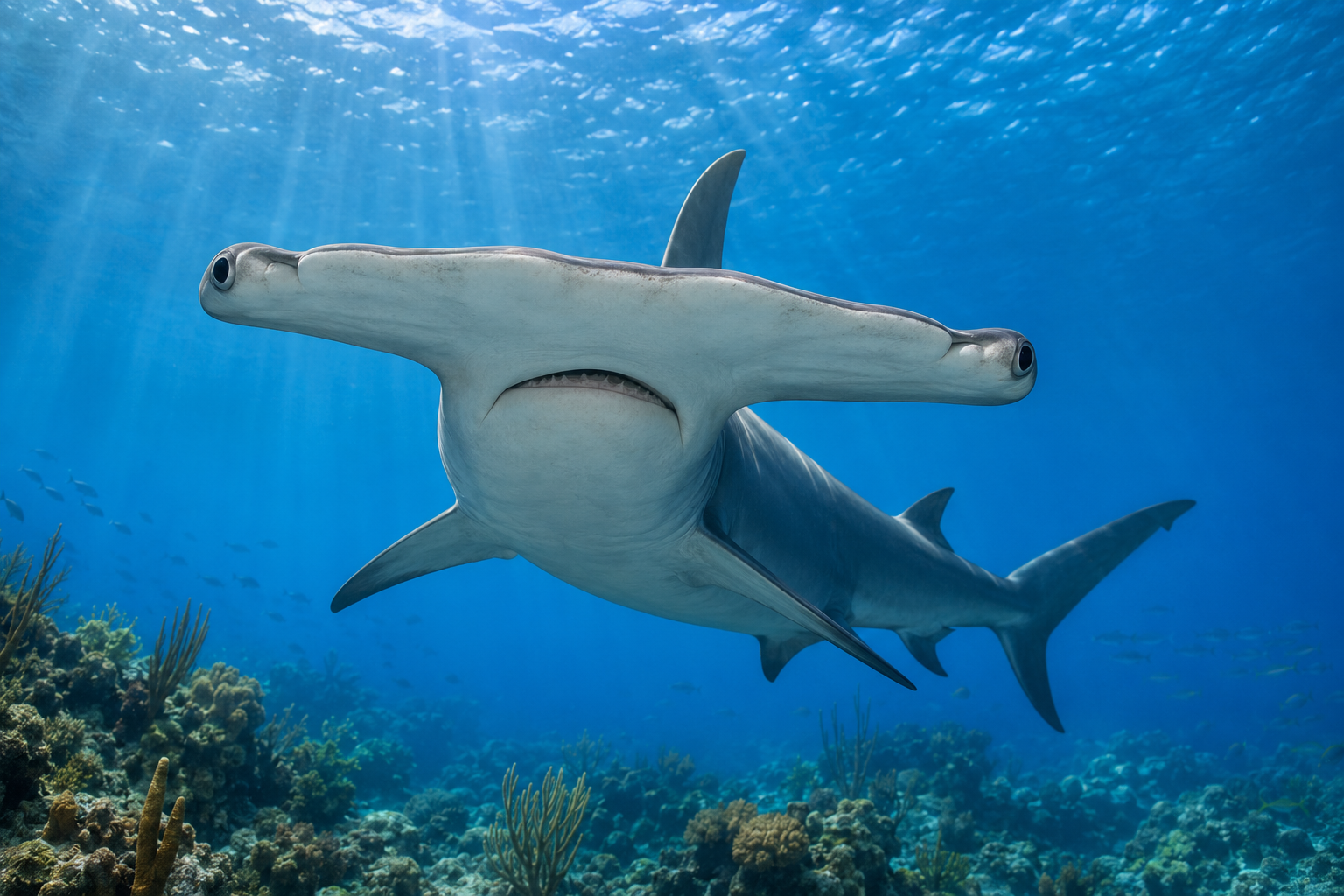
Great hammerhead sharks are the largest species of hammerhead shark. NOAA describes great hammerheads as reaching about 18.5 feet, or 5.6 meters, and notes their nearly straight hammer-shaped head and tall, curved first dorsal fin.
A hammerhead shark’s wide head is not just for looks. The shape helps spread out special sensory organs, which can help hammerheads scan the ocean for food. National Geographic explains that hammerheads use their wide, mallet-shaped heads to help them search more thoroughly for prey.
Great hammerhead sharks live in warm ocean waters. They can be found in coastal and offshore habitats, swimming from near the surface to deeper waters. NOAA lists their habitat as coastal and offshore waters, from near the surface to more than 250 feet deep.
Like other sharks, great hammerheads are fish. Instead of bones, sharks have skeletons made of cartilage, which is the same bendy material found in parts of our ears and noses. Their strong bodies, sharp senses, and powerful swimming help them move through the ocean as skilled hunters.
Great hammerhead sharks eat a variety of ocean animals. Their food can include fish, squid, crustaceans, rays, and even smaller sharks. As predators, they help keep ocean food chains balanced by playing an important role in the marine ecosystem.
Great hammerhead sharks are in trouble in the wild. Scientific research has described the species as Critically Endangered, with major concerns tied to fishing pressure, bycatch, and the shark fin trade. Protecting sharks helps protect the larger ocean habitats they share with many other animals.
Why Great Hammerhead Sharks Matter
Great hammerhead sharks are important ocean predators. Predators help keep ecosystems balanced by influencing the populations and behavior of other animals. When shark populations decline, the effects can ripple through the food chain.
Great hammerheads also help kids understand that every animal has a role in nature. Even animals that may seem mysterious or scary are part of a larger system. Sharks are not villains — they are wild animals with special traits that help them survive.
Kids can help by learning the truth about sharks, reducing plastic waste, keeping trash out of waterways, choosing sustainable seafood with grown-up help, and sharing what they learn with others. Every ZoobiRanger can help protect nature by staying curious and caring about ocean wildlife.
Great Hammerhead Shark FAQ
Are great hammerhead sharks the biggest hammerhead sharks?
Yes. Great hammerhead sharks are the largest species of hammerhead shark.
Why do hammerhead sharks have hammer-shaped heads?
Their wide heads help spread out their senses, which can help them search the ocean for food.
Where do great hammerhead sharks live?
Great hammerhead sharks live in warm coastal and offshore ocean waters.
What do great hammerhead sharks eat?
They eat ocean animals such as fish, squid, crustaceans, rays, and sometimes smaller sharks.
Are great hammerhead sharks dangerous?
Great hammerhead sharks are large predators and should always be respected from a safe distance, but they are not villains. Like other wild animals, they are part of a healthy ecosystem.
Are great hammerhead sharks endangered?
Yes. Great hammerhead sharks are considered highly threatened, with major dangers including fishing pressure, bycatch, and demand for shark fins.
How can kids help great hammerhead sharks?
Kids can help by learning about sharks, reducing plastic waste, keeping oceans clean, supporting shark conservation, and sharing shark facts with friends and family.
Fact Sources & Parent Notes
Zoobitat’s great hammerhead shark facts were checked against the Florida Museum of Natural History and the IUCN Red List. These sources were used for information about great hammerhead size, hammer-shaped head, ocean habitat, diet, sensory abilities, migratory behavior, conservation status, and threats from bycatch, overfishing, and the shark fin trade.
Source:
Florida Museum — Great Hammerhead
IUCN Red List — Great Hammerhead Shark