
Gray Wolf Cartoon & Facts for Kids
Explore the wilderness with Zoobitat: Animal Rescue – The Gray Wolf, a free educational cartoon for kids about one of nature’s most famous wild canines. In this wildlife adventure, Junior ZoobiRangers Jolly and Jordy help a gray wolf in need, while learning about wolf packs, communication, hunting, and the forest habitats wolves call home.
Zoobitat’s animal stories are designed to support STEM-approved and NGSS-aligned learning in a simple, kid-friendly way. This episode can help introduce young learners to life science topics such as animal traits, habitats, ecosystems, food sources, survival needs, and the ways living things depend on their environment. Watch the episode, then keep exploring with gray wolf facts, learning questions, and more Zoobitat resources below.
About This Episode
In The Gray Wolf, Jolly and Jordy meet a wolf who needs help and learn what makes these animals so important. Along the way, young viewers are introduced to the world of wolves — a world of family groups, teamwork, sharp senses, long-distance travel, and wild habitats.
The episode uses adventure, humor, and teamwork to help children understand that wolves are not storybook villains. They are intelligent, social animals with an important role in nature. The story is designed for kids who love animals, nature, cartoons, and rescue adventures.
Gray Wolf Fun Facts for Kids
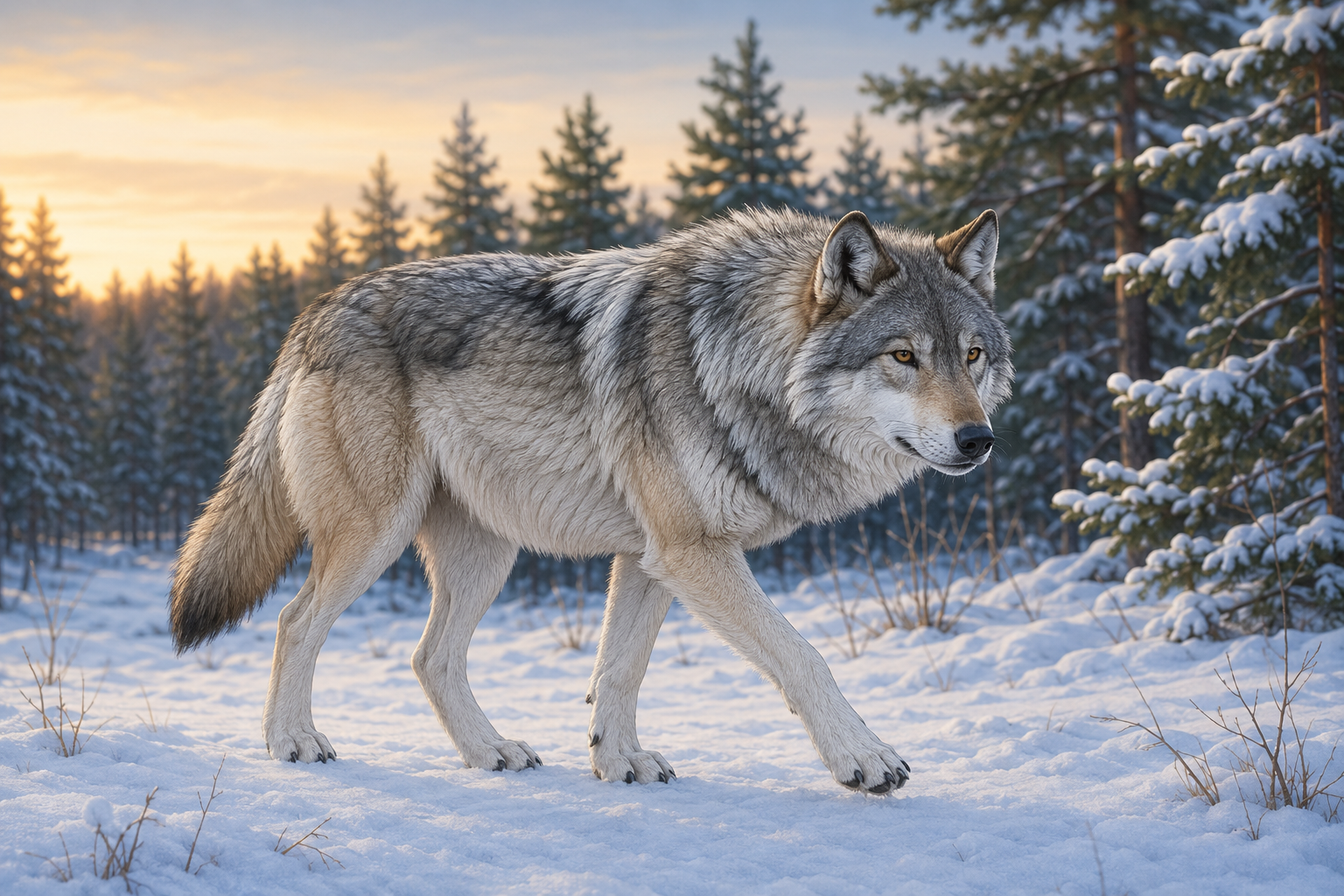
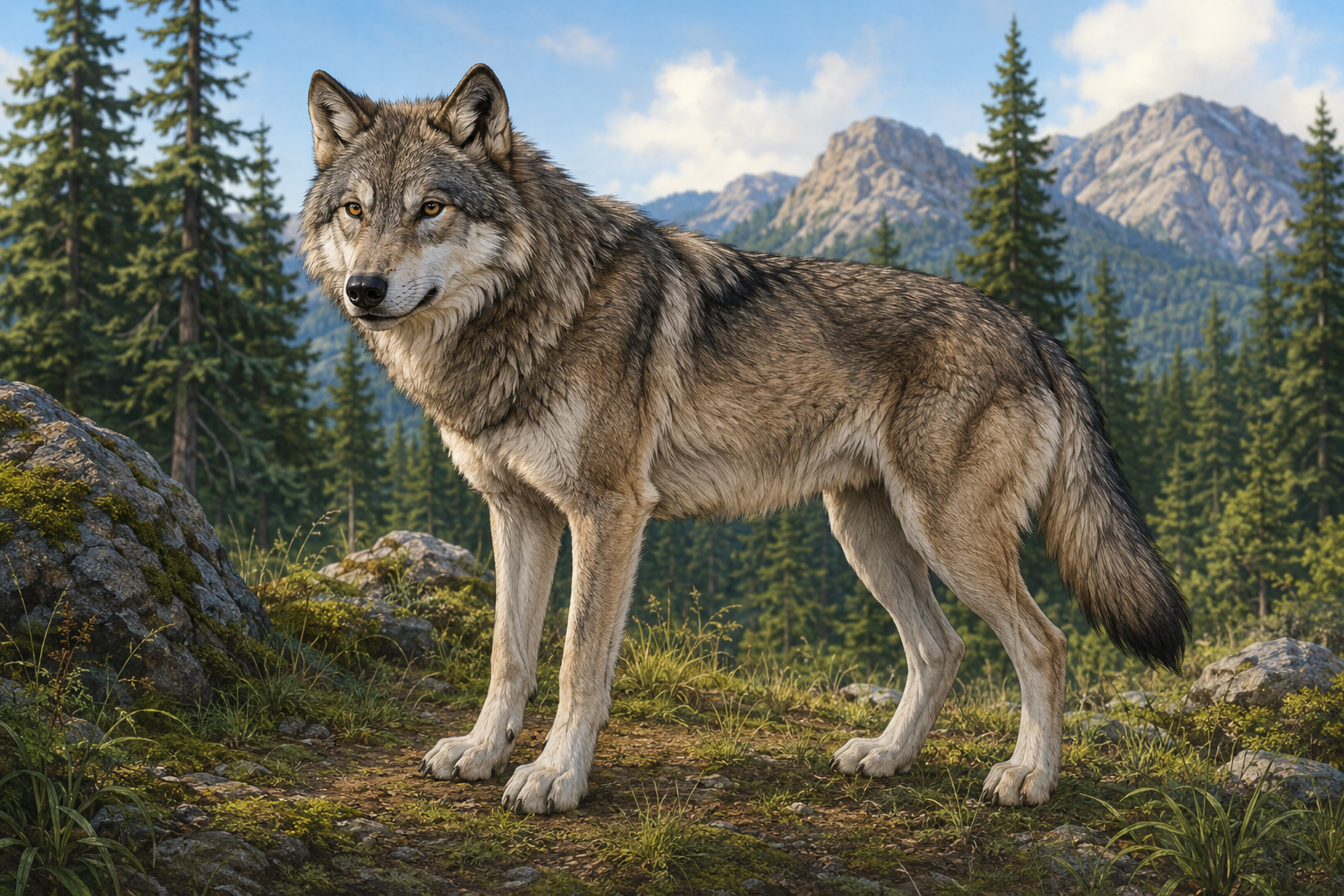
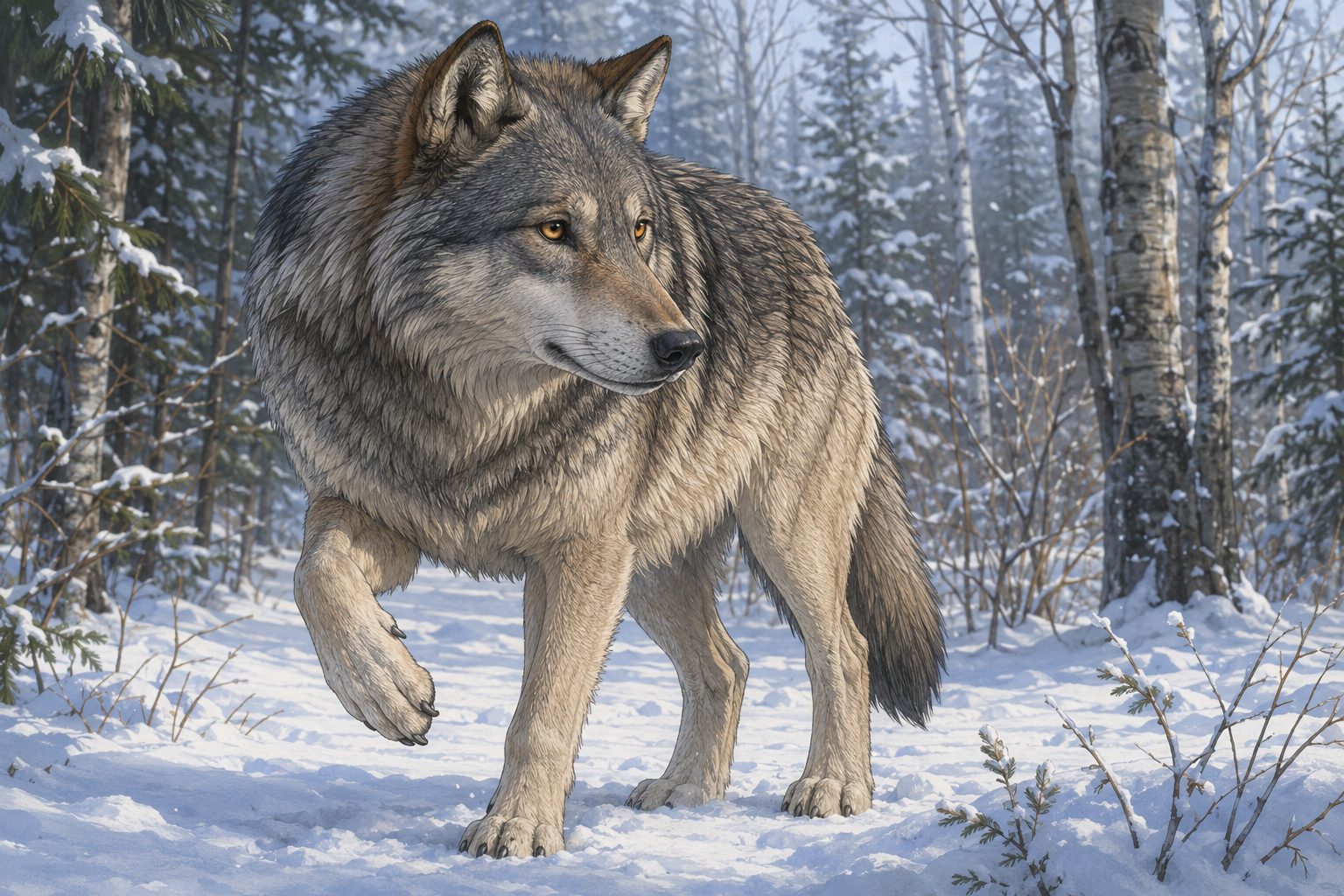
Gray wolves are the largest wild members of the dog family. They are related to domestic dogs, coyotes, foxes, and other canines, but gray wolves are built for life in the wild. They have strong legs, sharp senses, powerful jaws, and thick fur that can range in color from white and gray to brown or black.
Gray wolves can live in many different habitats. Depending on where they are found, wolves may live in forests, mountains, tundra, taiga, grasslands, or even desert-like areas. This adaptability helps explain why gray wolves once had one of the widest natural ranges of any land mammal in the Northern Hemisphere.
Wolves are carnivores, which means they mostly eat meat. In North America, gray wolves often hunt medium and large hoofed animals such as deer, elk, moose, caribou, muskox, and bison. They may also eat smaller animals such as beavers, rabbits, fish, and sometimes berries.
Gray wolves usually live in packs. A wolf pack is often a family group made up of adult wolves and their offspring. Pack members work together to travel, hunt, care for pups, protect territory, and survive in changing seasons.
Wolves communicate in many ways. They use body language, scent marking, barks, growls, and howls. A wolf howl can help pack members find each other, warn other wolves about territory, or bring the group back together.
Gray wolf conservation can be different depending on where the wolves live. Globally, the gray wolf is not considered endangered, but some regional populations have faced serious threats. In parts of the United States, wolves were once nearly wiped out and later protected under the Endangered Species Act. Today, wolf conservation and management continue to be important topics in many places.
Why Gray Wolves Matter
Gray wolves are important predators. By hunting animals such as deer, elk, and other prey, wolves can help keep ecosystems balanced. Predators are part of nature’s food web, and their presence can affect many other plants and animals in the same habitat.
Wolves also help kids understand that every animal has a role in nature. Even animals that are sometimes misunderstood can be important to healthy ecosystems. Learning the truth about wolves helps children see them as wild animals, not villains.
Kids can help by learning about wolves, respecting wildlife from a safe distance, protecting wild habitats, reducing waste, and sharing what they learn with others. Every ZoobiRanger can help protect nature by staying curious and caring about animals and their habitats.
Gray Wolf FAQ
Are gray wolves dogs?
Gray wolves are wild canines, which means they are part of the dog family. Domestic dogs and gray wolves are related, but wolves are wild animals with their own behaviors and survival needs.
Where do gray wolves live?
Gray wolves can live in many habitats, including forests, mountains, tundra, taiga, grasslands, and some desert-like areas.
What do gray wolves eat?
Gray wolves mostly eat meat. They often hunt animals such as deer, elk, moose, caribou, and bison, but they may also eat smaller animals and sometimes berries.
What is a wolf pack?
A wolf pack is a group of wolves that usually lives and travels together. Many wolf packs are family groups made up of parents and their young.
Why do wolves howl?
Wolves howl to communicate. A howl can help wolves find each other, gather the pack, or warn other wolves about territory.
Are gray wolves endangered?
Globally, gray wolves are not considered endangered, but their conservation status can vary by region. Some wolf populations have needed strong protection after habitat loss and past hunting or predator-control programs.
How can kids help gray wolves?
Kids can help by learning the truth about wolves, respecting wild animals, protecting habitats, reducing waste, and sharing wolf facts with friends and family.
Fact Sources & Parent Notes
Zoobitat’s gray wolf facts were checked against Smithsonian’s National Zoo and Conservation Biology Institute and the U.S. Fish & Wildlife Service. These sources were used for information about gray wolf size, habitat, diet, pack behavior, communication, range, conservation history, and regional conservation status.
Sources:
Smithsonian’s National Zoo — Gray Wolf
U.S. Fish & Wildlife Service — Gray Wolf / Canis lupus