
Coral Reef Cartoon & Facts for Kids
Dive into the ocean with Zoobitat: Animal Rescue – The Coral Reef, a free educational cartoon for kids about one of Earth’s most colorful underwater habitats. In this wildlife adventure, Junior ZoobiRangers Jolly and Jordy help a coral reef in need, while learning about coral, reef animals, food chains, and the ocean habitats so many sea creatures call home.
Zoobitat’s animal stories are designed to support STEM-approved and NGSS-aligned learning in a simple, kid-friendly way. This episode can help introduce young learners to life science topics such as animal traits, habitats, ecosystems, food sources, survival needs, and the ways living things depend on their environment. Watch the episode, then keep exploring with coral reef facts, learning questions, and more Zoobitat resources below.
About This Episode
In The Coral Reef, Jolly and Jordy explore a busy underwater world filled with coral, fish, and other ocean animals. Along the way, young viewers learn that a coral reef is more than just a beautiful place — it is a living ecosystem where many plants and animals depend on each other.
The episode uses adventure, humor, and teamwork to help children understand why coral reefs need clean, healthy ocean water to survive. The story is designed for kids who love animals, nature, cartoons, ocean adventures, and colorful marine life.
Coral Reef Fun Facts for Kids
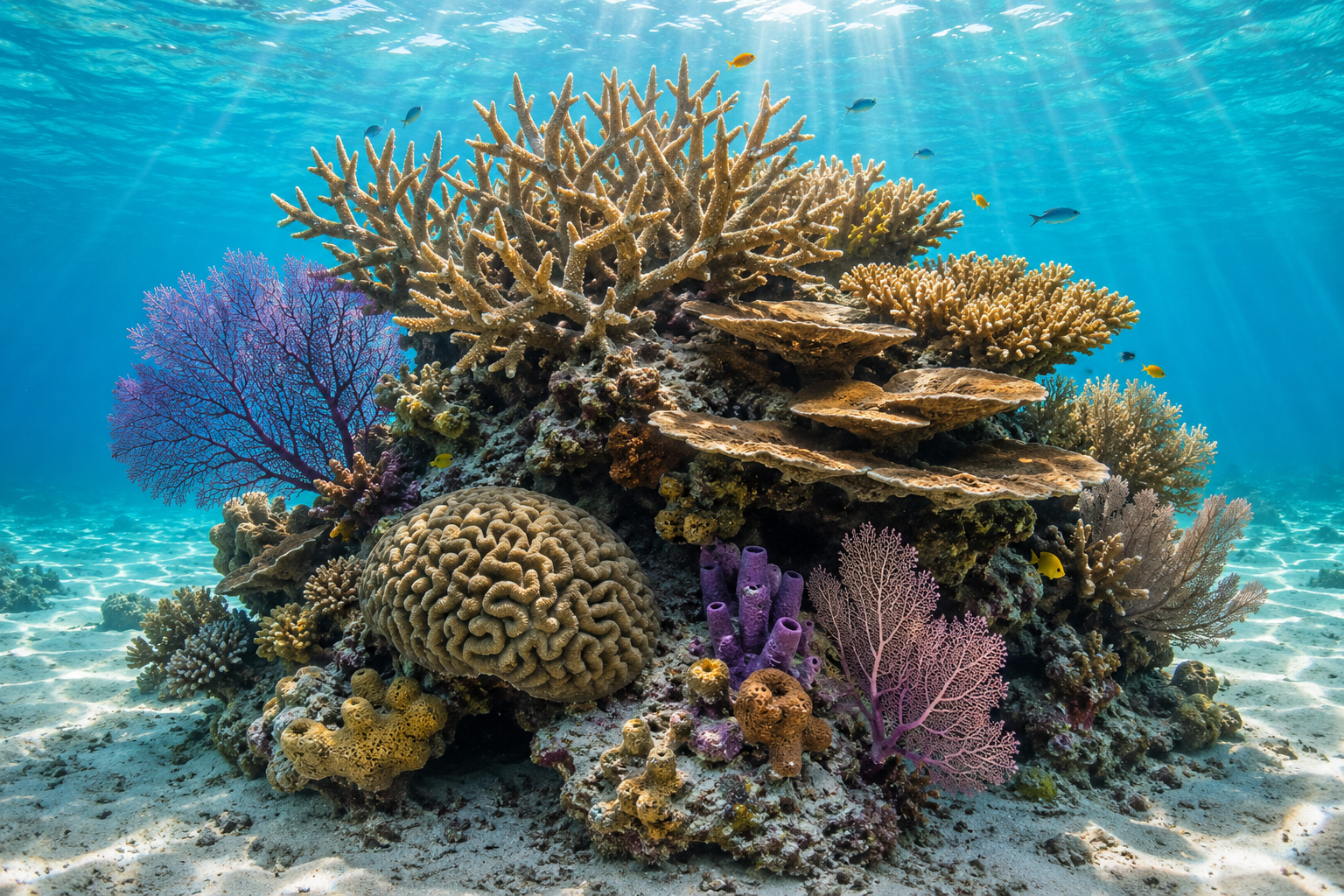
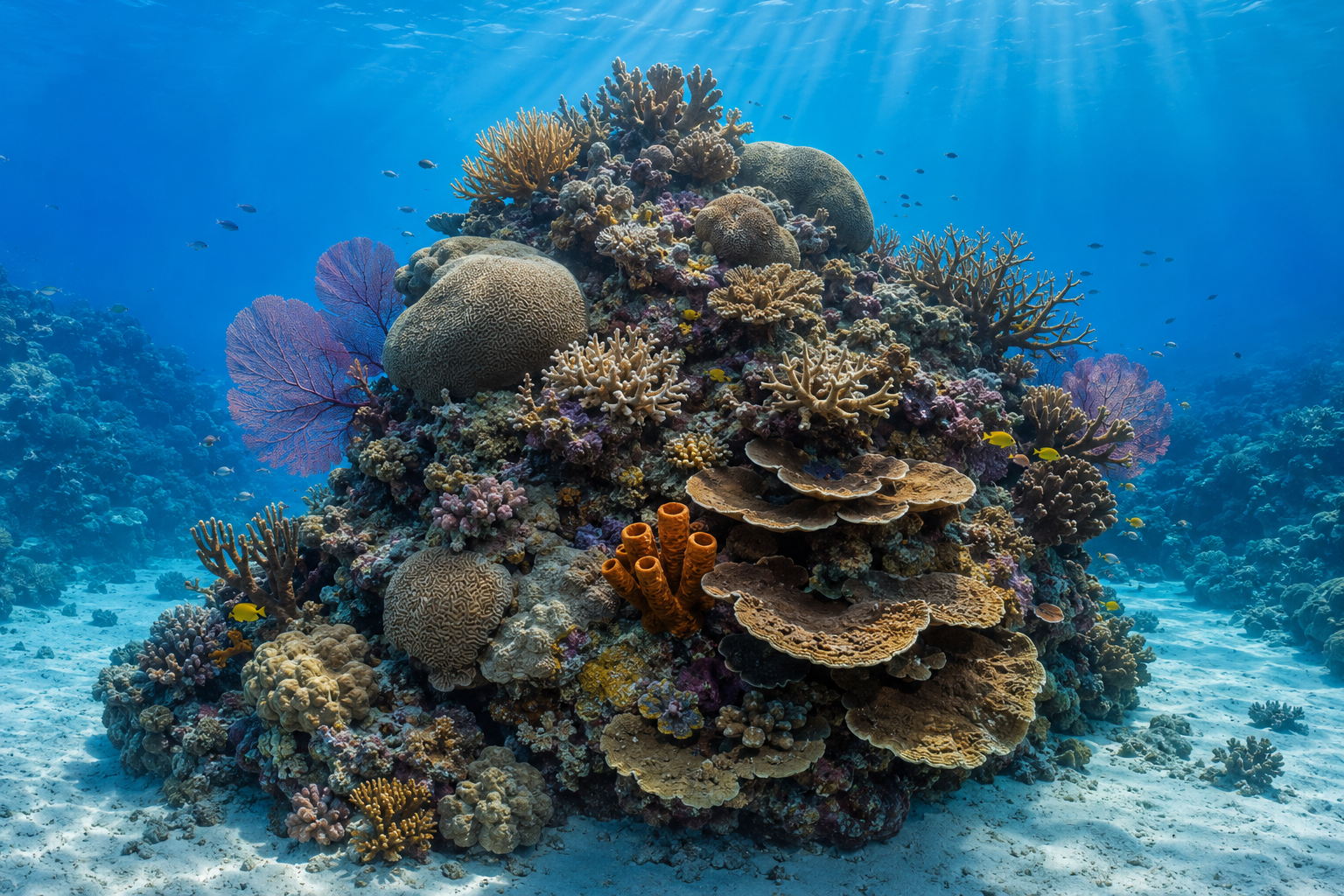
Coral reefs are sometimes called the “rainforests of the sea” because they are full of life. NOAA says about 25 percent of all marine species are found in, on, or around coral reefs, even though reefs cover only a small part of the ocean.
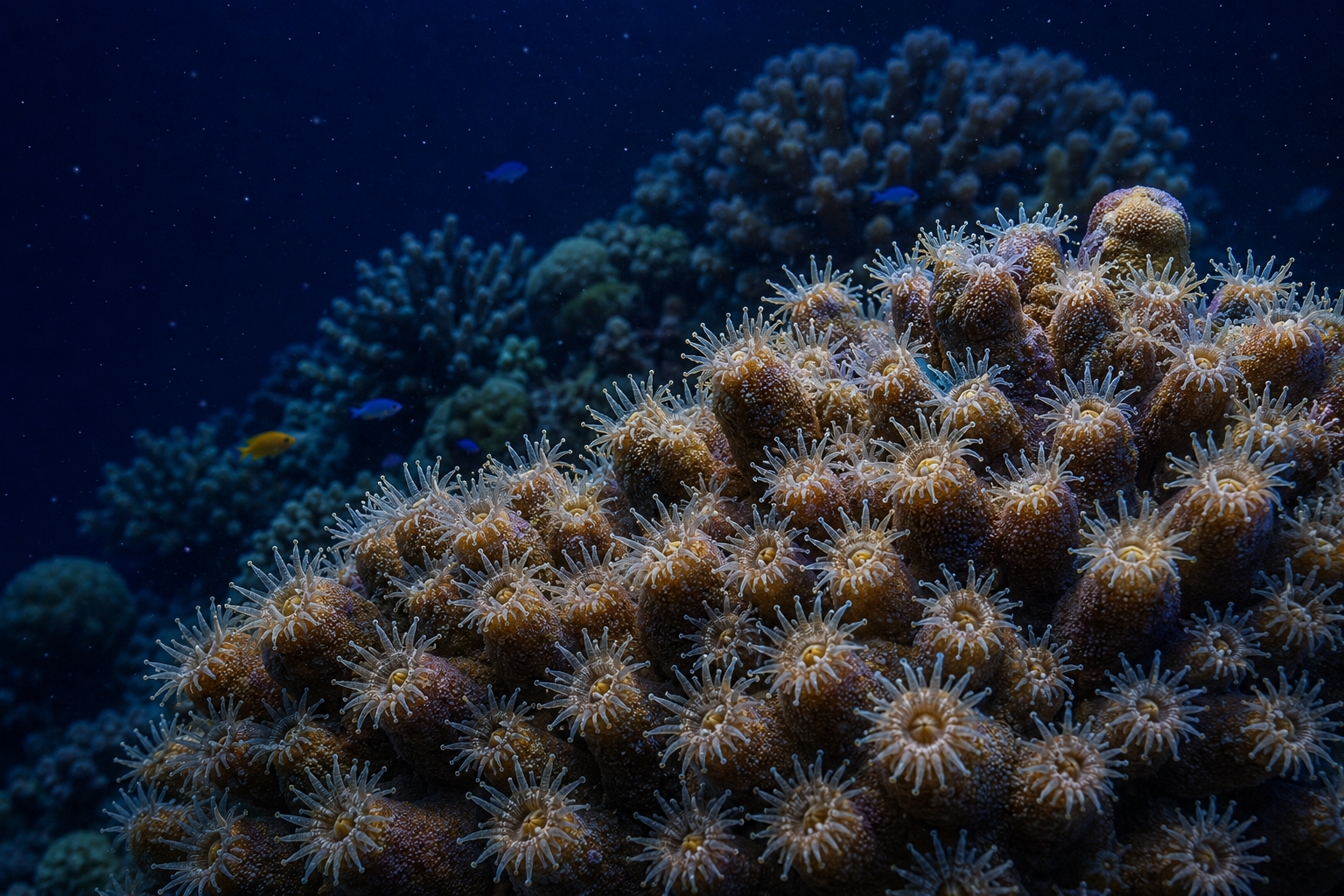
Corals may look like rocks or plants, but they are actually animals. Many reef-building corals are made of tiny animals called polyps. Over time, coral colonies can help build reef structures that become homes, hiding places, and feeding areas for many ocean creatures.
Coral reefs are home to many kinds of life, including fish, crabs, shrimp, sea stars, sea turtles, sharks, rays, sponges, algae, and many other animals. Each living thing has a role in the reef ecosystem. Some animals hide in the reef, some eat algae, some hunt smaller animals, and some help keep the habitat balanced.
Many coral reefs grow in warm, shallow, clear ocean water where sunlight can reach them. Sunlight is important because many corals live with tiny algae inside them. These algae help corals get energy and also give many corals their bright colors.
Coral reefs can be harmed when ocean water gets too warm. When corals are stressed by heat, they can lose the algae that live inside them. This is called coral bleaching. Bleached coral is not always dead, but it is weaker and may die if the stress lasts too long. NOAA and EPA identify warming ocean temperatures and climate change as major threats to coral reefs.
Coral reefs also face threats from pollution, overfishing, coastal development, storms, disease, and ocean acidification. Ocean acidification happens when the ocean absorbs carbon dioxide and the water chemistry changes, which can make it harder for corals and some other sea animals to build strong skeletons or shells.
Why Coral Reef Matter
Coral reefs are important because they provide homes for many ocean animals. A healthy reef can be like an underwater city, with many different species living, hiding, hunting, and growing in the same place.
Coral reefs also help people. NOAA says around one billion people benefit directly or indirectly from coral reef ecosystem services. Reefs can support fishing, tourism, coastal protection, and biodiversity.
Kids can help coral reefs by learning about ocean conservation, using less plastic, recycling when possible, saving water, keeping trash out of waterways, and sharing what they learn with others. Every ZoobiRanger can help protect nature by staying curious and caring about ocean habitats.
Coral Reef FAQ
Are corals animals, plants, or rocks?
Corals are animals. Many corals are made of tiny animals called polyps that live together in colonies.
Why are coral reefs important?
Coral reefs provide food, shelter, and hiding places for many ocean animals. They are one of the most biodiverse habitats in the sea.
What animals live on coral reefs?
Many animals can live on or near coral reefs, including fish, crabs, shrimp, sea stars, sea turtles, sharks, rays, sponges, and many others.
What is coral bleaching?
Coral bleaching happens when corals are stressed and lose the tiny algae that help give them food and color. Warm ocean water is one major cause.
Are coral reefs endangered?
Many coral reefs are threatened by climate change, warming oceans, ocean acidification, pollution, overfishing, and habitat damage.
How can kids help coral reefs?
Kids can help by using less plastic, recycling, saving water, keeping trash out of waterways, learning about ocean animals, and sharing coral reef facts with friends and family.
Fact Sources & Parent Notes
Zoobitat’s coral reef facts were checked against NOAA, the U.S. Environmental Protection Agency, and National Geographic Education. These sources were used for information about coral reef biodiversity, reef animals, coral polyps, coral bleaching, ocean acidification, climate change, pollution, overfishing, and the importance of reefs to people and wildlife.
Sources:
NOAA Ocean Service — How does climate change affect coral reefs?
U.S. EPA — Threats to Coral Reefs
National Geographic Education — Corals