
Blue Whale Cartoon & Facts for Kids
Dive into Zoobitat: Animal Rescue – The Blue Whale, a free educational cartoon for kids about the world’s largest animal. In this ocean adventure, Junior ZoobiRangers Jolly and Jordy explore the marine world and learn why blue whales are so amazing — and why they need our help.
This kid-friendly wildlife video is a fun way for children, parents, teachers, and homeschool educators to introduce topics like ocean habitats, marine mammals, food chains, endangered animals, and conservation. Watch the episode, then keep exploring with blue whale facts, learning questions, and more Zoobitat resources below.
About This Episode
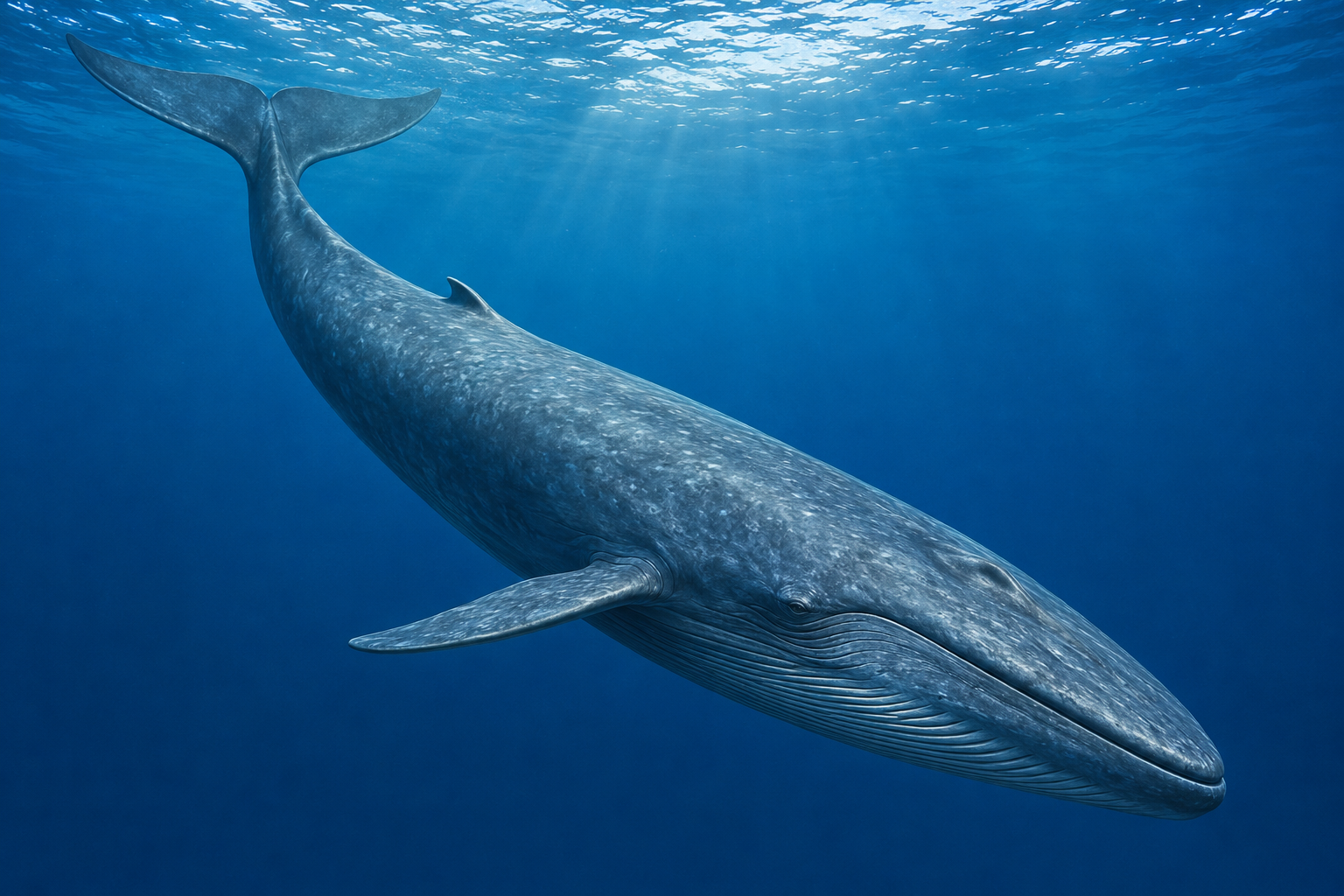
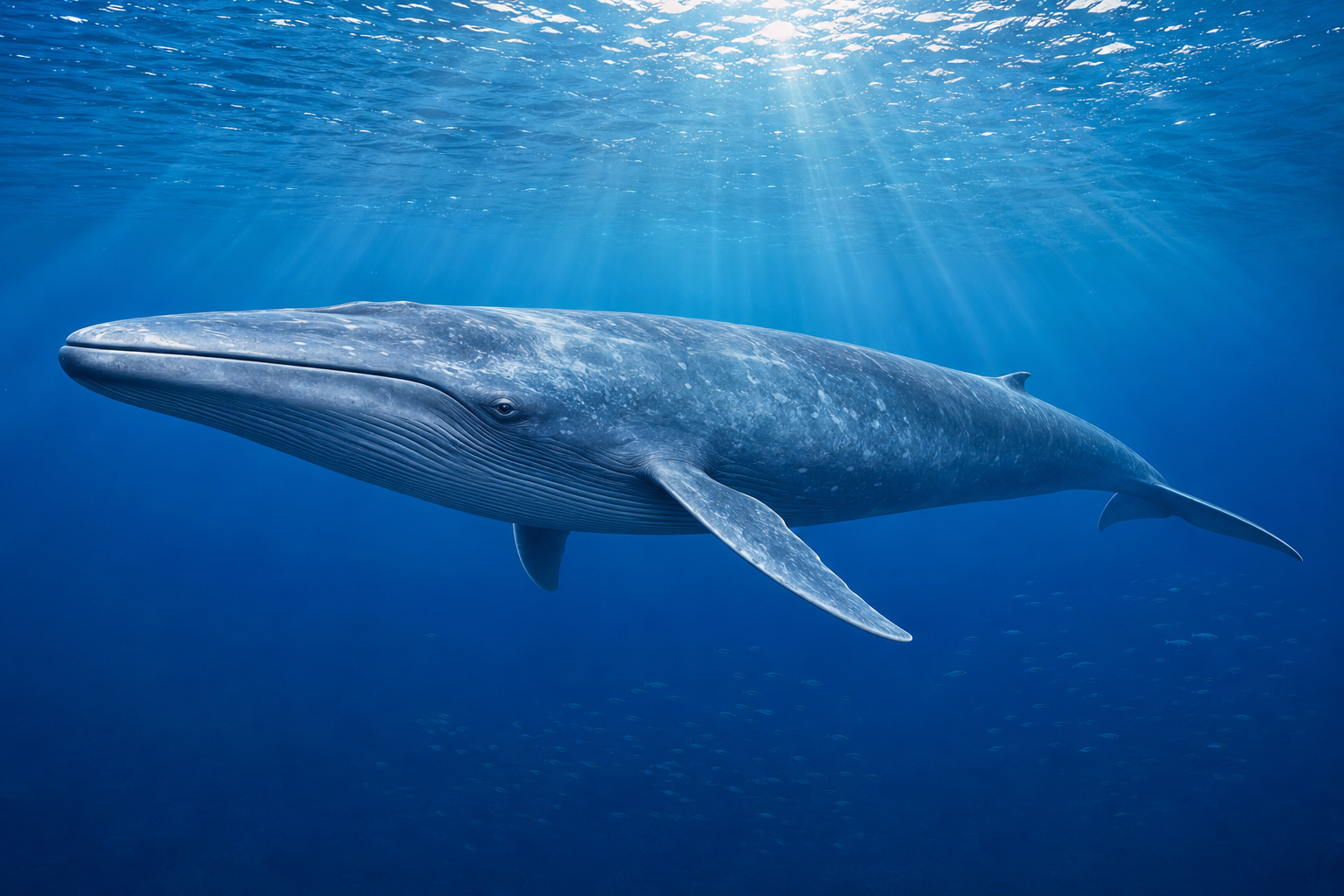
In Zoobitat Animal Rescue: The Blue Whale, Jolly and Jordy head into the ocean to help a magnificent blue whale that is swimming too close to the shoreline. Along the way, young viewers learn that even the biggest animals on Earth depend on healthy habitats, clean water, and tiny creatures like krill.
The episode uses adventure, humor, and teamwork to introduce children to marine life and ocean conservation in a simple, age-appropriate way. It is designed for kids who love animals, nature, cartoons, and rescue stories.
Blue Whale Fun Facts For Kids
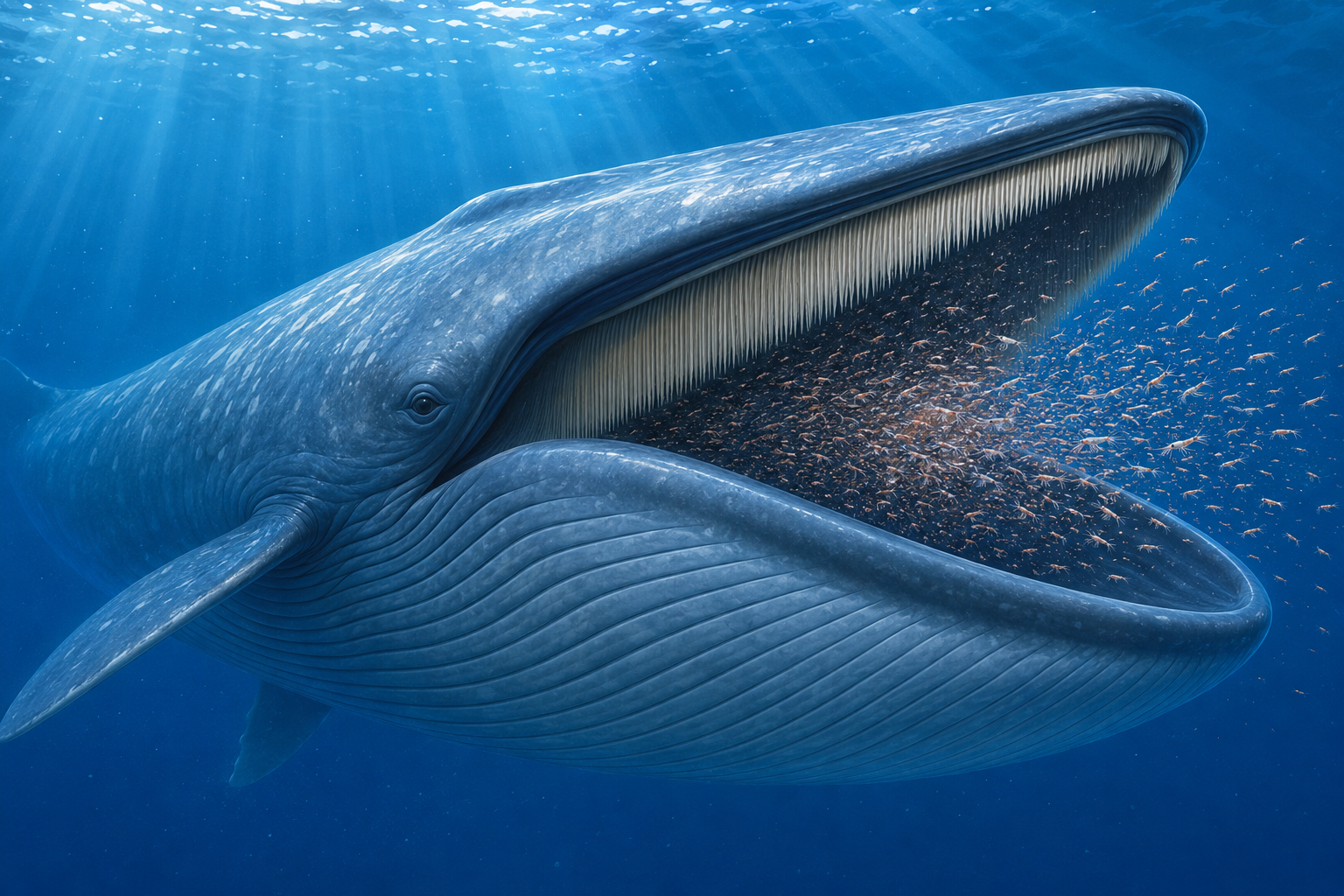
Blue whales are the largest animals on Earth. In fact, they are the largest animals known to have ever lived. Even though they are gigantic, blue whales eat some of the smallest animals in the ocean: tiny shrimp-like creatures called krill. NOAA identifies blue whales as the largest animals ever to live and says they are listed as endangered under the Endangered Species Act; National Geographic also describes their krill-based diet and notes that adult blue whales can eat several tons of krill during certain feeding periods.
Blue whales are mammals, which means they breathe air, give birth to live young, and nurse their calves with milk. They live in oceans around the world and travel long distances to find food and raise their young. Instead of teeth, blue whales have baleen — special plates in their mouths that help them filter krill from seawater.
Blue whales are famous for their deep, powerful sounds. Their calls can travel long distances through the ocean, helping whales communicate across wide areas of water. Because they depend on sound, blue whales can be affected by noise pollution from ships and other human activities.
Today, blue whales are protected, but they still face challenges. Ship strikes, entanglement in fishing gear, ocean noise, climate change, and changes in food supply can all make life harder for these ocean giants. Learning about blue whales helps kids understand why healthy oceans matter.
Why Blue Whales Matter
Blue whales are an important part of the ocean ecosystem. When whales feed, travel, and release nutrients back into the water, they help support the tiny ocean life that forms the base of many marine food chains. Protecting blue whales also means protecting the ocean habitats that many other animals need.
Kids can help by learning about ocean animals, reducing plastic waste, recycling when possible, respecting wildlife, and sharing what they learn with others. Every ZoobiRanger can help protect nature by staying curious and caring about the world around them.
Blue Whale FAQ
Are blue whales really the biggest animals ever?
Yes. Blue whales are considered the largest animals ever known to have lived on Earth.
What do blue whales eat?
Blue whales mostly eat krill, which are tiny shrimp-like ocean animals.
Do blue whales have teeth?
No. Blue whales have baleen plates instead of teeth. Baleen helps them filter krill from seawater.
Where do blue whales live?
Blue whales live in oceans around the world. They travel long distances to find food and safe areas for raising their young.
Are blue whales endangered?
Yes. Blue whales are listed as endangered and are protected by conservation laws.
How can kids help blue whales?
Kids can help by learning about ocean conservation, using less plastic, keeping trash out of waterways, and sharing what they learn about whales and marine life.
Fact Sources & Parent Notes
Zoobitat’s blue whale facts were checked against NOAA Fisheries’ Blue Whale species profile. This source was used for information about blue whale size, krill diet, baleen feeding, ocean range, endangered status, and major threats such as vessel strikes, fishing gear entanglement, and ocean noise.
Source:
NOAA Fisheries — Blue Whale