
African Savanna Elephant Cartoon & Facts for Kids
Travel to the grasslands with Zoobitat: Animal Rescue – The African Savanna Elephant, a free educational cartoon for kids about the largest land animal on Earth. In this wildlife adventure, Junior ZoobiRangers Jolly and Jordy help an African savanna elephant in need, while learning about elephants, their families, and the wide-open habitats they call home.
Zoobitat’s animal stories are designed to support STEM-approved and NGSS-aligned learning in a simple, kid-friendly way. This episode can help introduce young learners to life science topics such as animal traits, habitats, ecosystems, food sources, survival needs, and the ways living things depend on their environment. Watch the episode, then keep exploring with African savanna elephant facts, learning questions, and more Zoobitat resources below.
About This Episode
In The African Savanna Elephant, Jolly and Jordy meet an elephant who needs help and learn what makes these animals so special. Along the way, young viewers are introduced to the world of the African savanna — a habitat filled with grasses, trees, watering holes, and many different kinds of wildlife.
The episode uses adventure, humor, and teamwork to help children understand that elephants are intelligent, social animals that depend on healthy habitats and safe spaces to survive. It is designed for kids who love animals, nature, cartoons, and rescue stories.
African Savanna Elephant Fun Facts for Kids
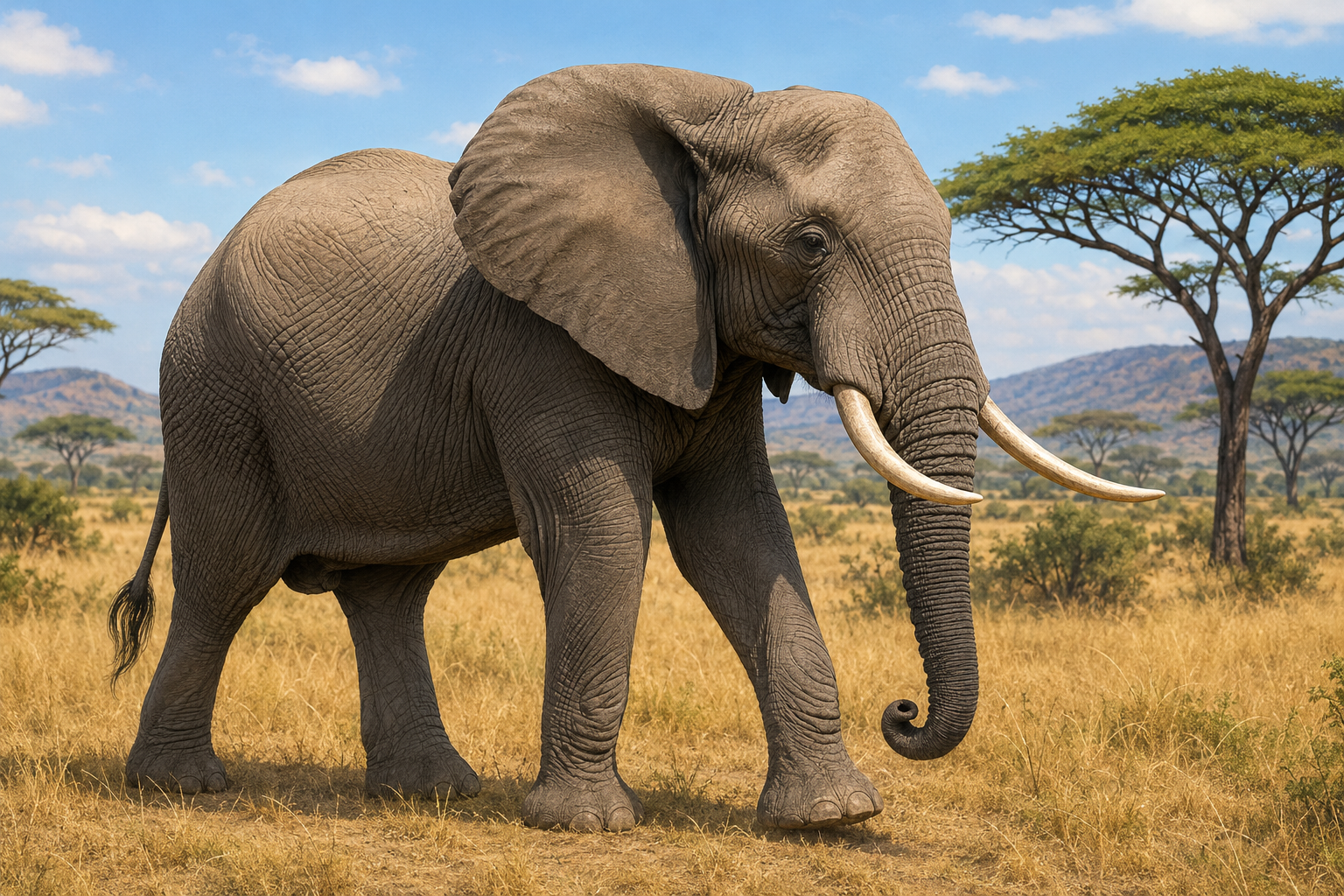
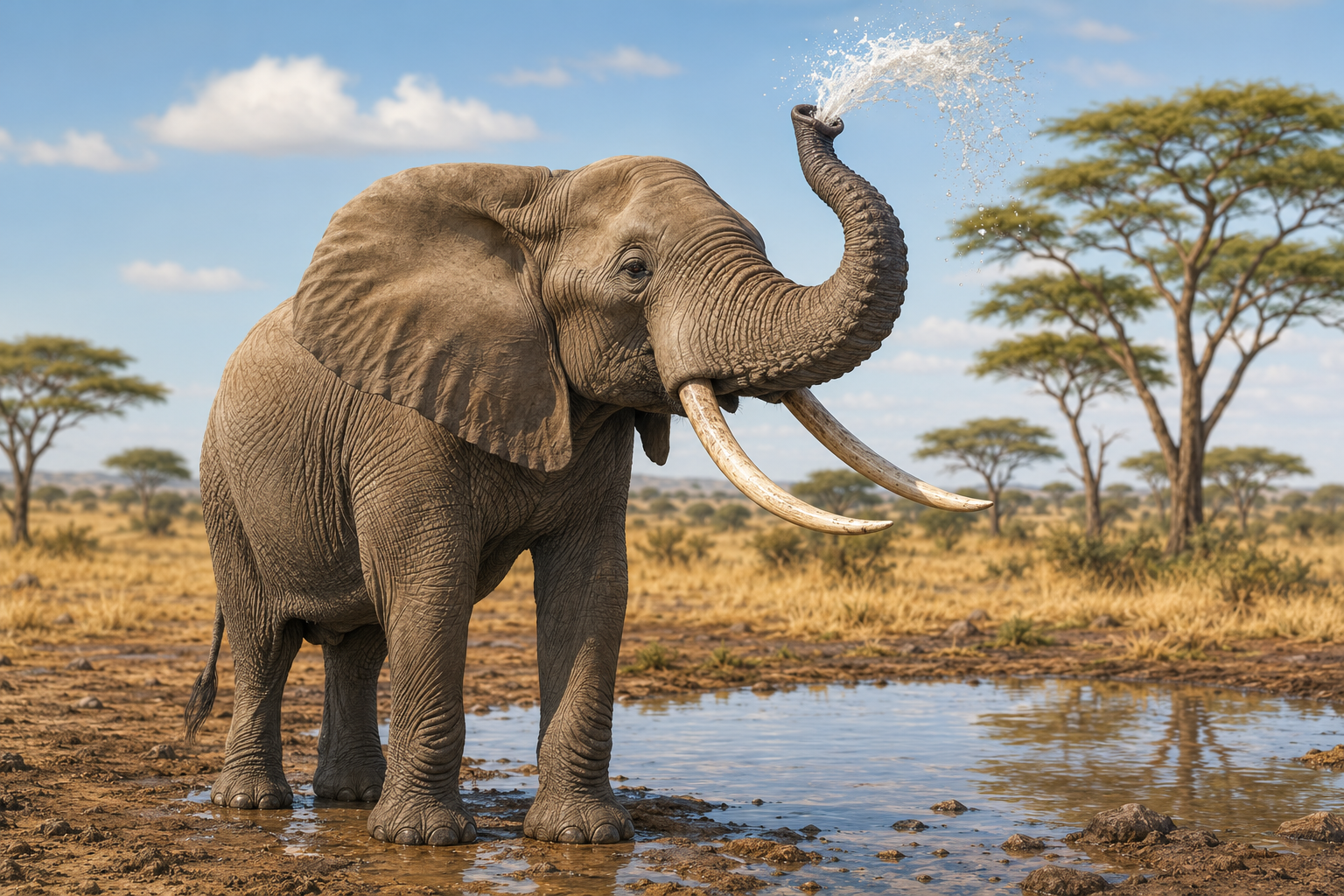
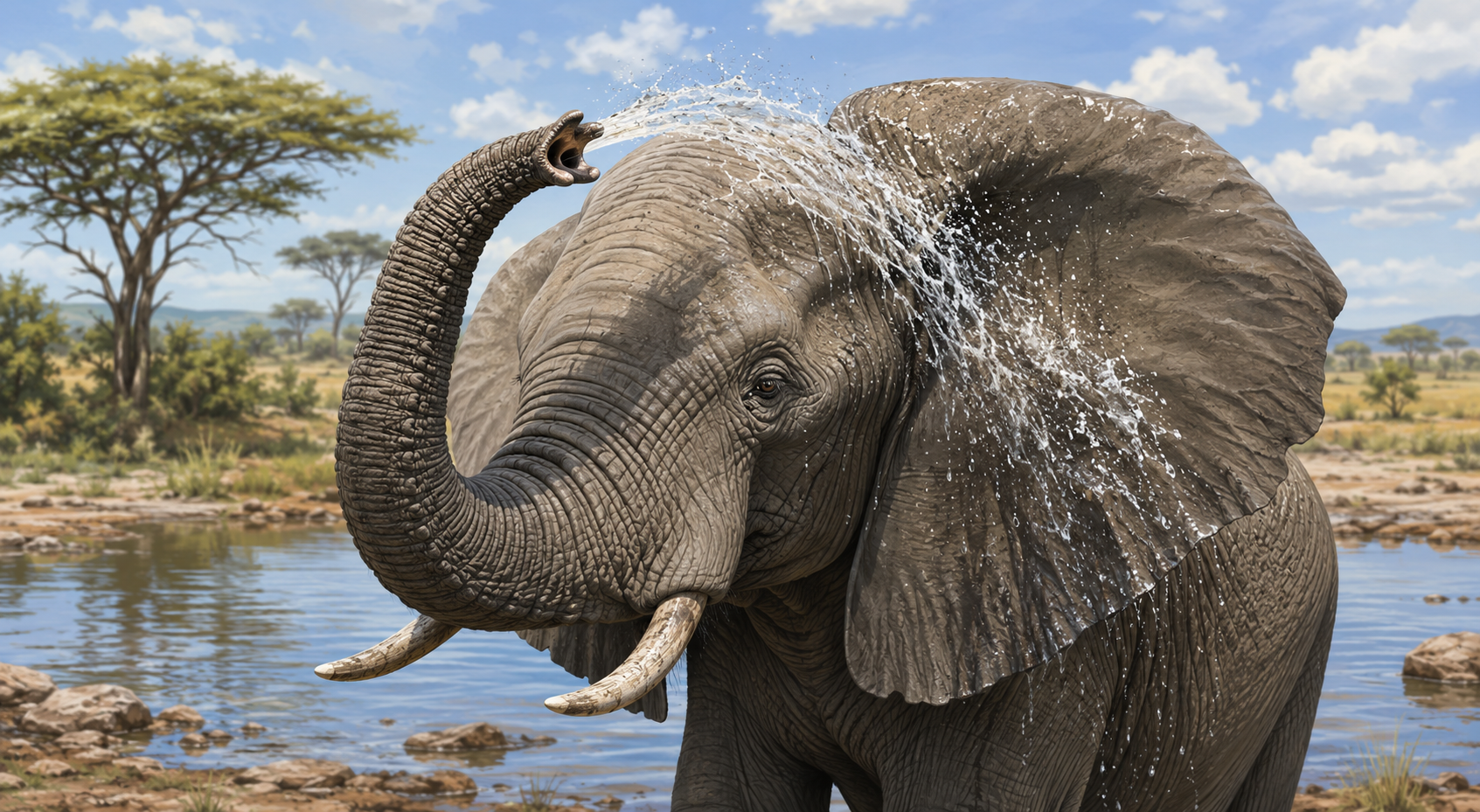
African savanna elephants are the largest land animals on Earth. They have huge ears, long trunks, strong legs, and tusks that help them dig, lift, and search for food. Their trunks are especially amazing because elephants use them to smell, drink, touch, grab food, and communicate.
African savanna elephants live in grasslands, open woodlands, and savanna habitats across parts of Africa. These habitats often include wide grassy areas, scattered trees, and watering holes where many animals gather. Elephants may travel long distances to find food and water.
Elephants are herbivores, which means they eat plants. African savanna elephants eat grasses, leaves, bark, roots, fruit, and branches. Because they eat so much and move across large areas, elephants help shape their habitats. They can open paths through thick vegetation, spread seeds, and create space that other animals use.
Elephants are also very social. They often live in family groups led by an older female called a matriarch. Young elephants learn from their mothers, aunts, grandmothers, and other members of the herd. Elephant families communicate with sounds, touch, body movements, and low rumbles that can travel long distances.
African savanna elephants are endangered. Their populations have been hurt by habitat loss, poaching for ivory, and conflict with people when elephants and human communities need the same land and water. Protecting elephants also helps protect the grasslands, forests, and other animals that share their home.
Why African Savanna Elephants Matter
African savanna elephants are sometimes called ecosystem engineers because they can change the landscape in ways that help other living things. As elephants move, feed, dig, and spread seeds, they help shape the savanna habitat around them.
When elephants make trails, open up vegetation, or dig for water, other animals may benefit too. Birds, insects, mammals, and plants all share the same ecosystem. Protecting elephants helps protect the larger web of life around them.
Kids can help by learning about elephants, never buying ivory products, reducing waste, respecting wildlife, and sharing what they learn with others. Every ZoobiRanger can help protect nature by staying curious and caring about animals and their habitats.
African Savanna Elephant FAQ
Are African savanna elephants the biggest animals on land?
Yes. African savanna elephants are the largest land animals on Earth.
Where do African savanna elephants live?
They live in grasslands, savannas, and open woodland habitats in parts of Africa.
What do African savanna elephants eat?
They eat plants, including grasses, leaves, bark, roots, fruit, and branches.
What do elephants use their trunks for?
Elephants use their trunks to smell, breathe, drink, touch, grab food, and communicate.
Do elephants live in families?
Yes. Elephants are social animals and often live in family groups led by an older female called a matriarch.
Are African savanna elephants endangered?
Yes. African savanna elephants are listed as Endangered because of threats such as habitat loss, poaching, and conflict with people.
How can kids help elephants?
Kids can help by learning about elephants, protecting habitats, reducing waste, avoiding ivory products, and sharing conservation facts with friends and family.
Fact Sources & Parent Notes
Zoobitat’s African savanna elephant facts were checked against WWF and the IUCN Red List. These sources were used for information about elephant size, savanna habitat, conservation status, movement needs, family life, and threats such as poaching, habitat loss, and human-wildlife conflict.
Sources:
WWF — African Savanna Elephants
IUCN — African Elephant Species Now Endangered and Critically Endangered