Animal groupMammal
Zoobitat’s Animal Field Guide
Meet the North American River Otter
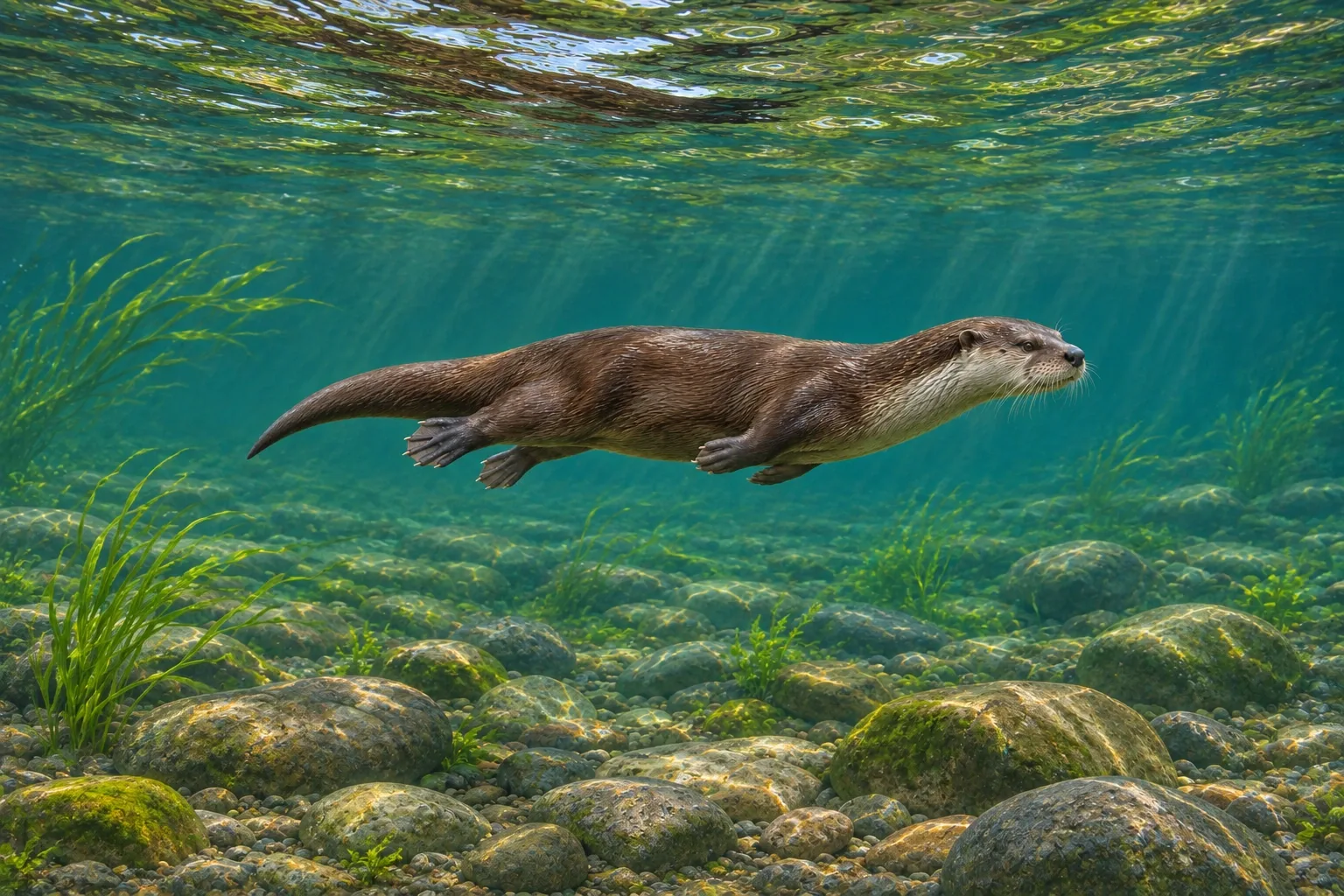
A sleek brown animal slips into the river. Long whiskers and a strong tail help this otter explore underwater.
North American River Otter FactsWatch, Listen & LearnPlay & LearnWhy North American River Otters Matter

STEM.org AccreditedEducational wildlife learning for curious explorers ages 4–10
Featured video: The North American River Otter
Quick facts
North American River Otter Animal File
Scan the essentials, then explore each topic below.
HomeRivers, lakes, wetlands, and coastal waters across much of Canada and the United States
DietFish, crayfish, frogs, and other aquatic animals
Length0.76 to 1.52 meters (2.5 to 5 feet) adult total length, including the tail
ConservationLeast Concern
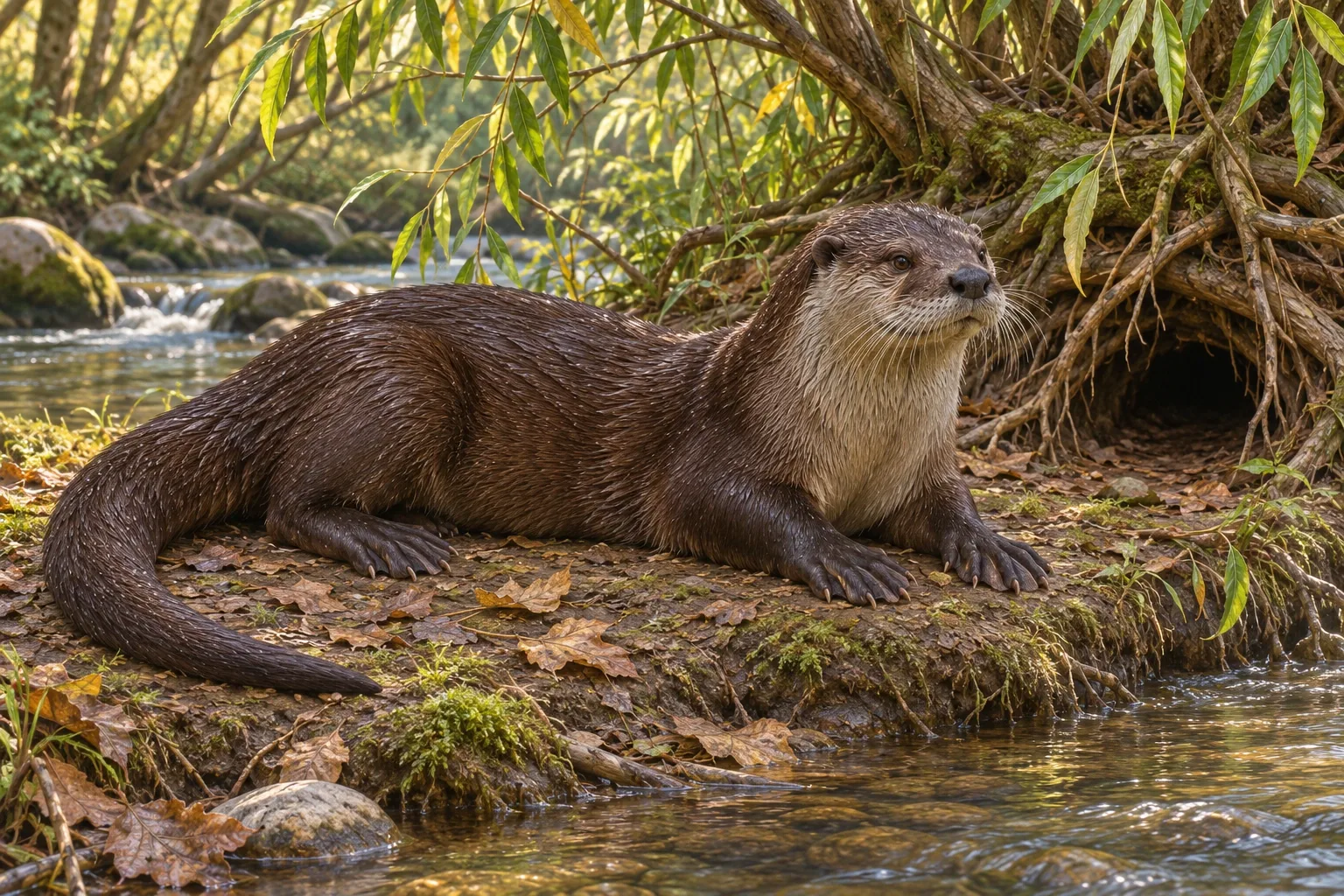
Get to know North American river otters
At Home in Water and on Land
North American river otters live beside rivers, lakes, and wetlands. Some also use coastal waters.
An otter has a long body, short legs, and a muscular tail. It swims for food and rests on land.
Feet and a Tail for Swimming
Webbed feet help a river otter swim. Its strong, muscular tail also helps push its long body through the water.
Sensitive Whiskers
A river otter has long, sensitive whiskers around its muzzle. These help it find food underwater, even in murky places.
A Coat for the Water
A river otter has dense fur underneath longer outer hairs. The outer hairs help repel water and protect its warm coat.
A Den Beside the River
River otters use sheltered dens beside the water. A riverbank den can have an underwater entrance leading to a dry nest chamber.
Explore its habitats: Freshwater · Marine
Watch, listen & learn
Watch, Listen & Learn
Watch, listen and learn about the North American river otter with Zoobitat.
Play & learn
Try a North American River Otter Challenge
Color a North American river otter, build a freshwater habitat, then test what you learned in the quiz.
Try it now
Zoom with +/− or pinch on a touchscreen. Shift-drag to move on desktop.
Color the North American River Otter
Fill each area, draw your own details, or erase a change. The North American river otter’s outlines always stay clear.
Try it now
Build a Freshwater Habitat
Drag the stickers anywhere in the landscape.
Habitat builder
Freshwater
Choose a sticker to begin building your freshwater.
Try it now
North American River Otter Quick Quiz
Use what you learned in At Home in Water and on Land. Get all three answers right to unlock your certificate!
0 of 3 correct
Question 1 of 3
1What helps a river otter swim?
Your North American River Otter CertificateAnswer all three questions correctly, using what you learned above, to unlock it.
Why North American river otters matter
Keep Waterways Clean
River otters need clean water and sheltered banks. Caring for rivers helps otters and their food.
- Put litter in a bin so it stays out of streams.
- Join a safe shoreline cleanup with a grown-up.
- Watch wildlife quietly from a distance.
More From the Animal Field Guide
 Animal Field Guide
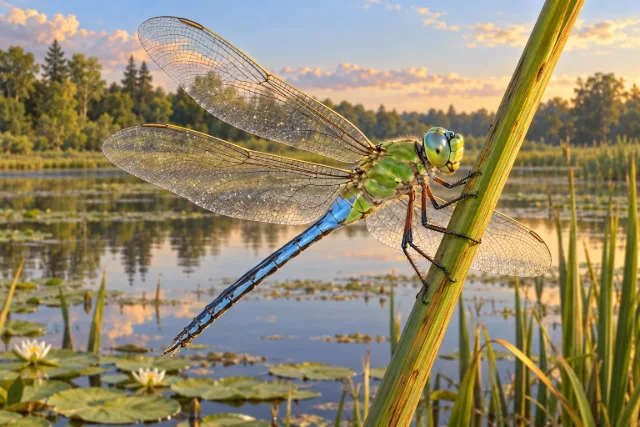
Dragonfly
A dragonfly begins life as a water-dwelling larva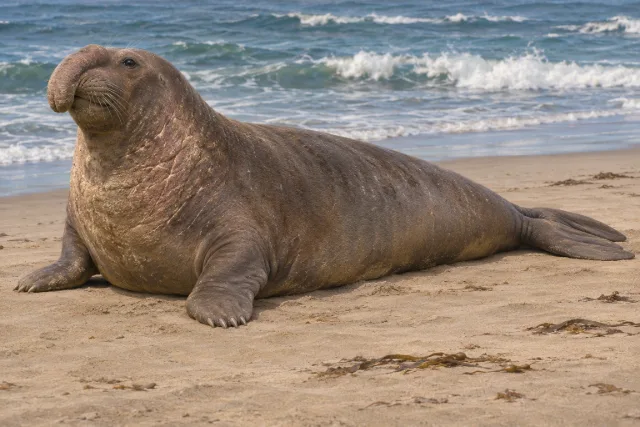 Animal Field Guide
Elephant Seals
Adult male elephant seals have an enlarged nose called a proboscis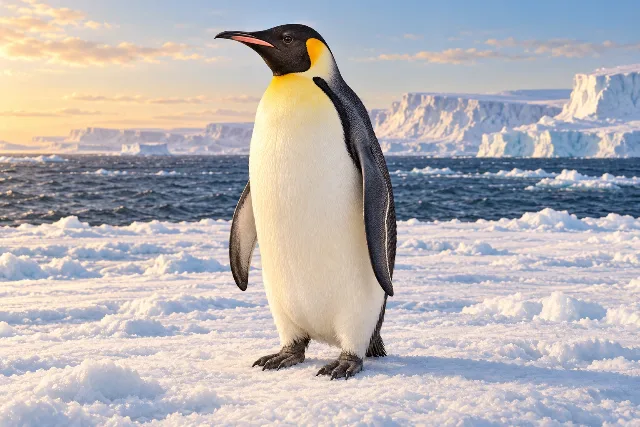 Animal Field Guide
Emperor Penguin
Emperor penguin fathers keep an egg warm on their feet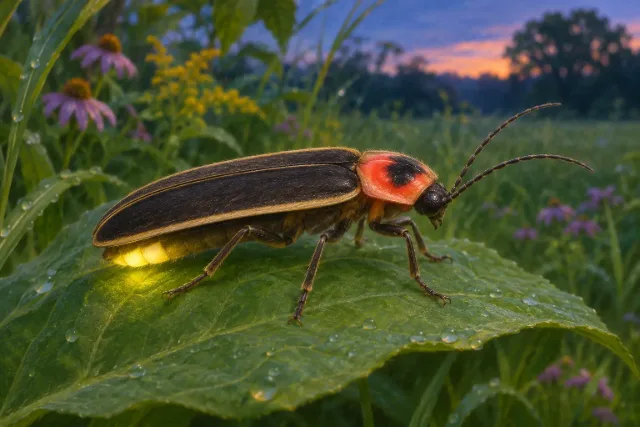 Animal Field Guide
Fireflies
Fireflies are beetles that can make their own light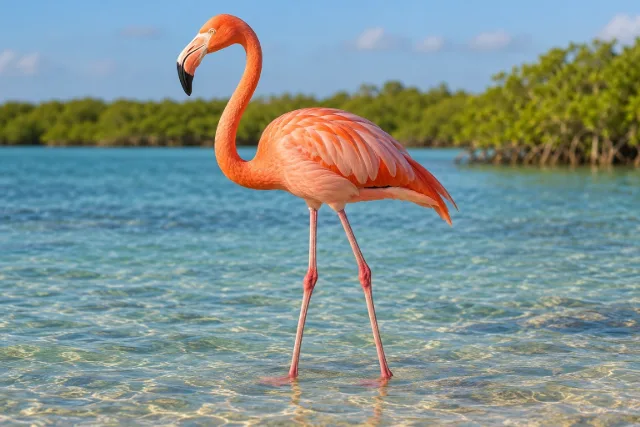 Animal Field Guide
Flamingo
A flamingo filters food with its bill upside down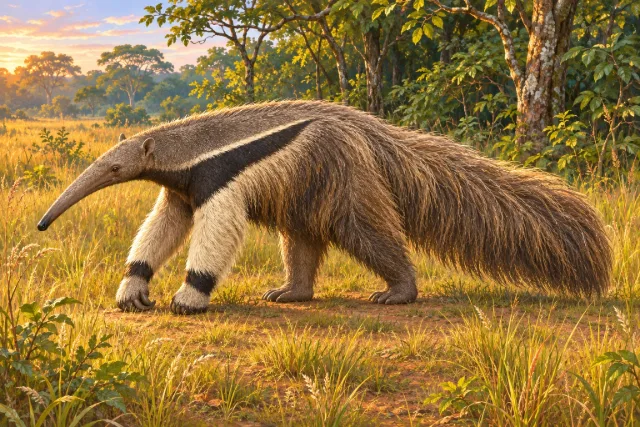 Animal Field Guide
Giant Anteater
A giant anteater has a sticky tongue that can reach about two feet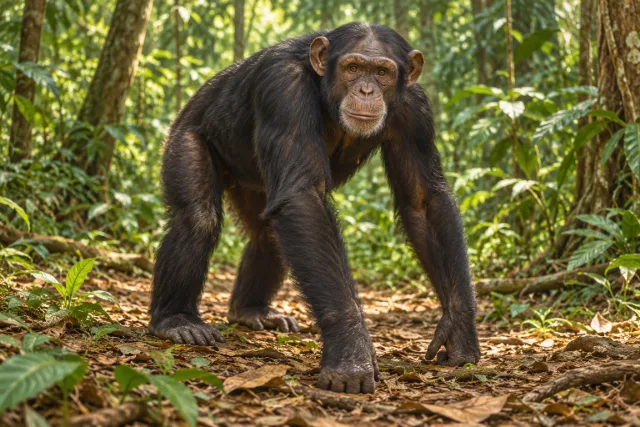 Animal Field Guide
Chimpanzee
Some chimpanzees use slender sticks to gather termites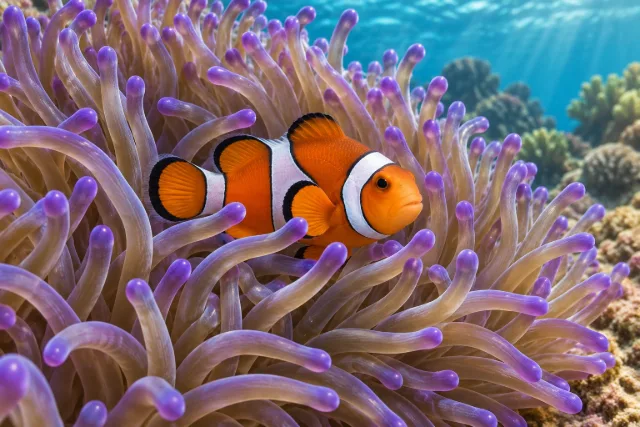 Animal Field Guide
Clownfish
A protective coating helps clownfish live among anemone tentacles

Lox says: There are more amazing animals and habitats waiting to meet you!
Grown-Up GuideLearning goals, privacy, standards, sources and more resources
For parents, caregivers & educators
Explore with confidence
This guide explains what children can learn, how the page approaches privacy, and where its North American river otter information comes from.
✓ STEM.org Accredited✓ NGSS-aligned learning✓ COPPA-conscious design
Learning goals
Connect swimming feet, sensitive whiskers, protective fur, and riverbank shelter to otter life.
Try exploring together
- Compare an otter’s tapered tail with a beaver’s paddle-shaped tail.
- Use paper cutouts to show webbing between five toes.
- Trace a river from its source toward a lake or the sea.
Privacy by design
This page uses a data-minimizing, COPPA-conscious approach. It does not ask children for a name, birthdate, email address, account, photo, voice recording, camera, microphone or precise location.
The games work without sign-in, media never autoplays, and embedded videos use YouTube’s privacy-enhanced domain.
Learn about COPPA at the FTC ↗STEM & NGSS connections
Zoobitat’s free wildlife and nature education program has earned the STEM.org Accredited™ Trustmark. This page supports observation, evidence-based discussion and life-science learning.
- 2-LS4-1: Compare the diversity of life in different habitats ↗
- 3-LS4-4: Explain how habitat change affects organisms ↗
Science sources
North American River Otter facts were checked against the following wildlife organizations and educational references:
- Smithsonian’s National Zoo ↗Anatomy, swimming, fur, adult total length and mass, diet, habitats and clean-water conservation.
- Animal Diversity Web ↗Sensitive whiskers, riverbank dens, underwater entrances, dry chambers and tapered tails.
- IUCN Otter Specialist Group ↗Small family groups, crepuscular activity, North American distribution and Least Concern status.
- IUCN Red List ↗Current assessment link supplied by the Otter Specialist Group. Direct access was blocked; date and trend are omitted.
- Florida Fish and Wildlife Conservation Commission ↗Five toes, webbed feet, short legs and tail anatomy.
- Minnesota Department of Natural Resources ↗Freshwater white sucker reference for anatomically correct food artwork.
More from Zoobitat
Keep exploring with free educational resources for families, caregivers and educators:
- Free Wildlife Exhibits Download educational exhibit artwork for zoos, aquariums, schools and community spaces.
- Educator Resources Explore free materials created for classrooms, homeschool learning and family discovery.
- Early Readers Meet wildlife through illustrated, kid-friendly Zoobitat Animal Rescue stories.
- Activity Books Continue learning with wildlife-themed puzzles, activities and creative challenges.
- Zoobitat Expeditions Follow conservation adventures and discover animals and habitats in the field.
- Meet the Hosts Discover the zoos, museums, aquariums and other organizations that have hosted Zoobitat’s free, museum-quality wildlife exhibits.
Media & accessibility record
Character and North American river otter visuals are Zoobitat educational assets. Voiceovers require a deliberate play action. Interactive controls have descriptive labels and are keyboard accessible.
Picture credits: Zoobitat Studios, LLC.