
Animal groupMammal
Zoobitat’s Animal Field Guide
Meet the Elephant Seals
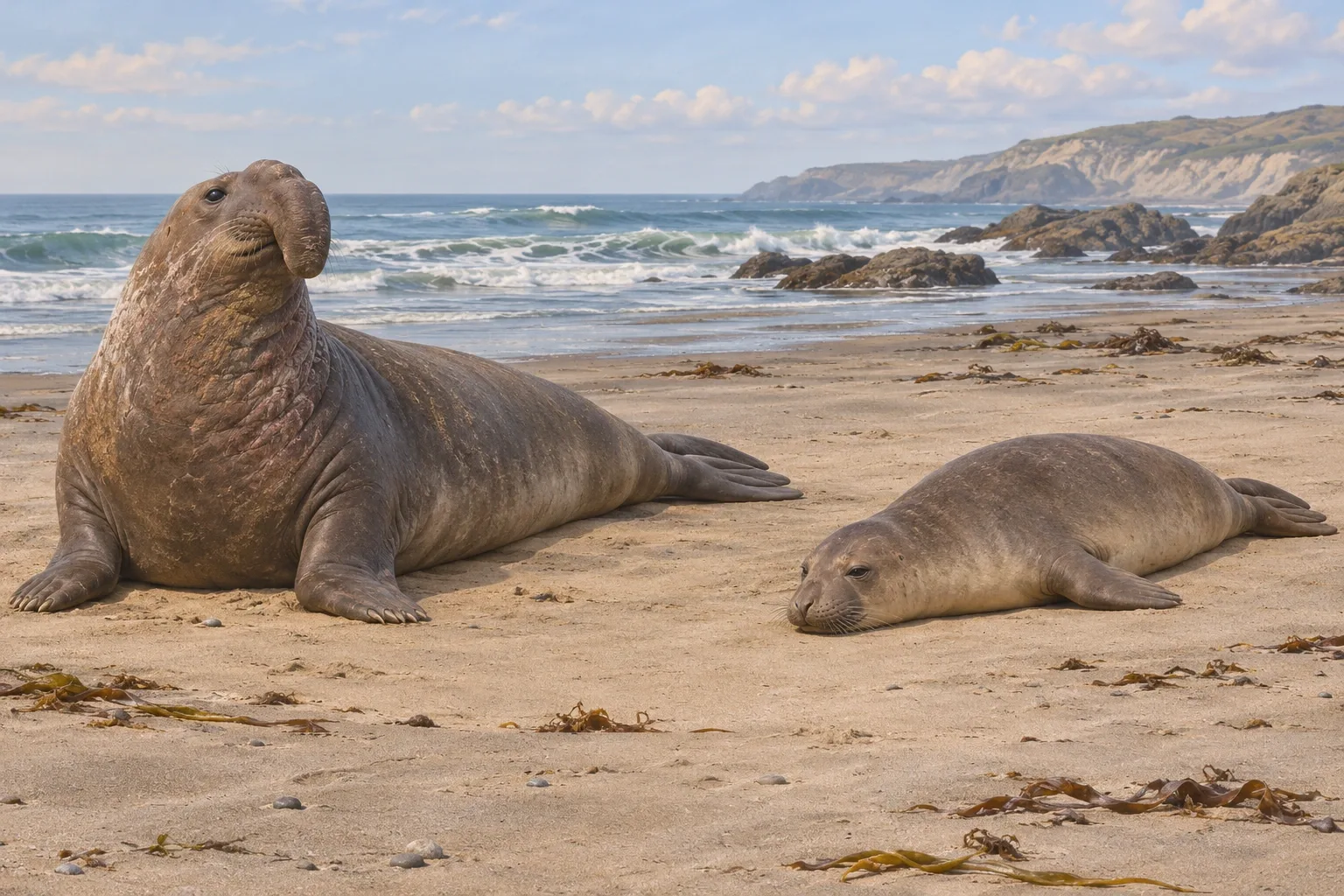
A huge seal rests beside the surf. Elephant seals travel far at sea and gather on beaches during parts of the year.

STEM.org AccreditedEducational wildlife learning for curious explorers ages 4–10
Featured video: The Elephant Seals
Quick facts
Elephant Seals Animal File
Scan the essentials, then explore each topic below.
HomeNorthern species: North Pacific; southern species: Southern Ocean and nearby subantarctic coasts and islands
DietSquid and fish; exact prey varies by species, sex, and foraging area
Length2 to 6 meters (6.6 to 20 feet) broad adult female-to-male range across both species; southern males can reach about 6 meters (20 feet)
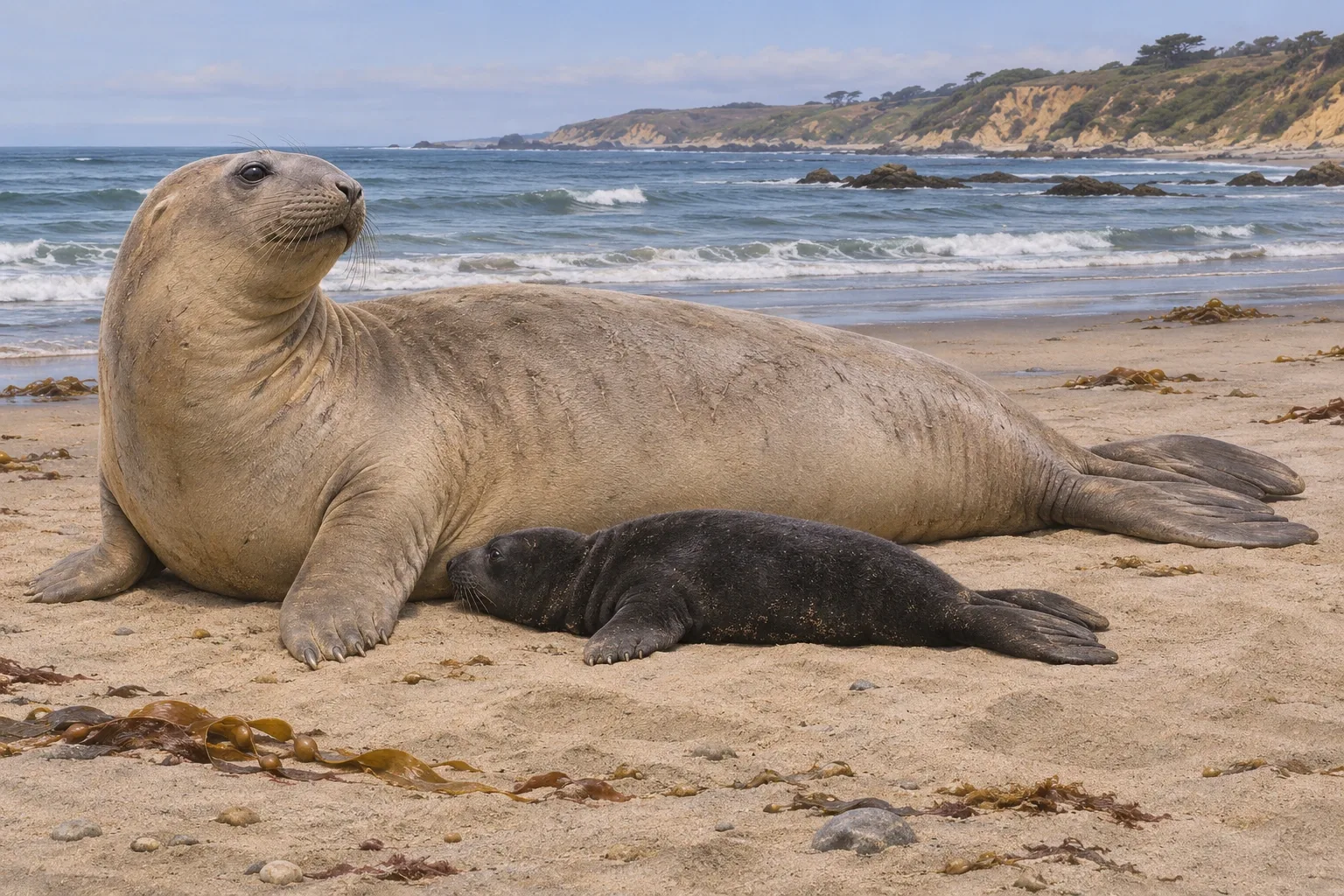
Get to know elephant seals
Ocean Travelers, Beach Resters
There are two elephant seal species: northern and southern. Northern elephant seals live in the North Pacific; southern elephant seals inhabit southern oceans.
Adult males are much larger than females. These mammals breathe air, feed at sea, and come ashore to breed and molt.
A Remarkable Nose
An adult male’s enlarged nose is called a proboscis. It helps his calls resonate during the breeding season.
Deep Ocean Dives
Southern elephant seals are powerful divers. They store oxygen in their blood and muscles for underwater journeys.
Time Ashore
Elephant seals gather in beach colonies to breed and molt. Molting replaces their old hair and outer skin.
Two Ocean Species
Northern elephant seals inhabit the North Pacific. Southern elephant seals live around the Southern Ocean and nearby coasts.
Explore its habitat: Marine
Watch, listen & learn
Watch, Listen & Learn
Watch, listen and learn about the elephant seal with Zoobitat.
Play & learn
Try the Elephant Seals Challenge
Color an elephant seal, build an open ocean habitat, then test what you learned in the quiz.
Try it now
Zoom with +/− or pinch on a touchscreen. Shift-drag to move on desktop.
Color the Elephant Seals
Fill each area, draw your own details, or erase a change. The elephant seal’s outlines always stay clear.
Try it now
Build an Open Ocean Habitat
Drag the stickers anywhere in the landscape.
Habitat builder
Open Ocean
Choose a sticker to begin building your open ocean.
Try it now
Elephant Seals Quick Quiz
Use what you learned in Ocean Travelers, Beach Resters. Get all three answers right to unlock your certificate!
0 of 3 correct
Question 1 of 3
1Which elephant seals have the large proboscis?
Your Elephant Seals CertificateAnswer all three questions correctly, using what you learned above, to unlock it.
Why elephant seals matter
Give Seals Space
Elephant seals need healthy oceans and quiet places ashore. Ocean litter and fishing gear can put marine animals at risk.
- Watch resting seals from a distance with a grown-up.
- Keep picnic litter secure so it cannot blow into the ocean.
- Learn how marine protected areas help ocean wildlife.
More From the Animal Field Guide
 Animal Field Guide
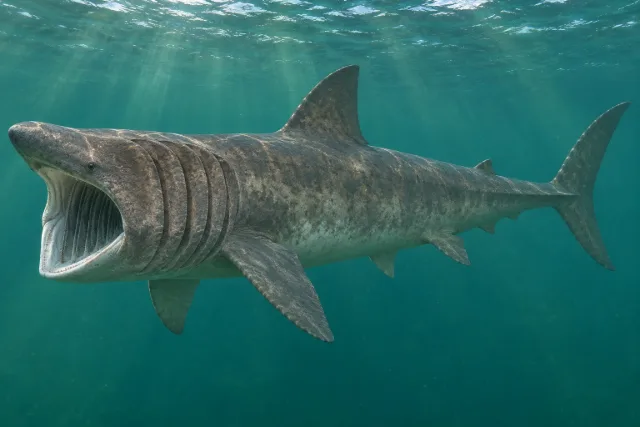
Basking Shark
The basking shark is the world’s second-largest living fish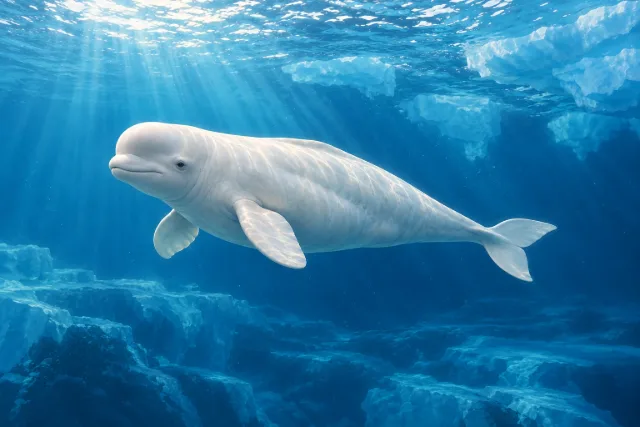 Animal Field Guide
Beluga Whale
A beluga can turn its head from side to side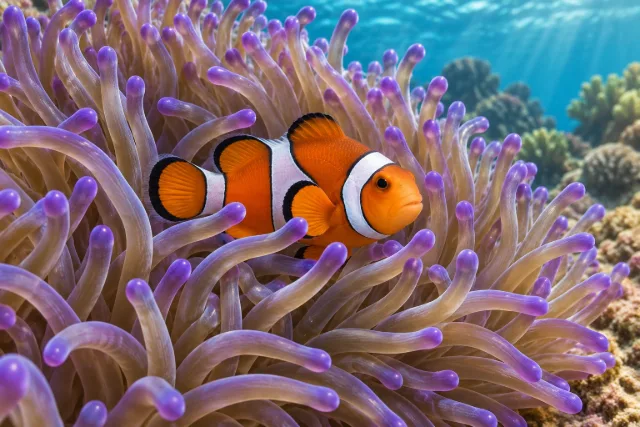 Animal Field Guide
Clownfish
A protective coating helps clownfish live among anemone tentacles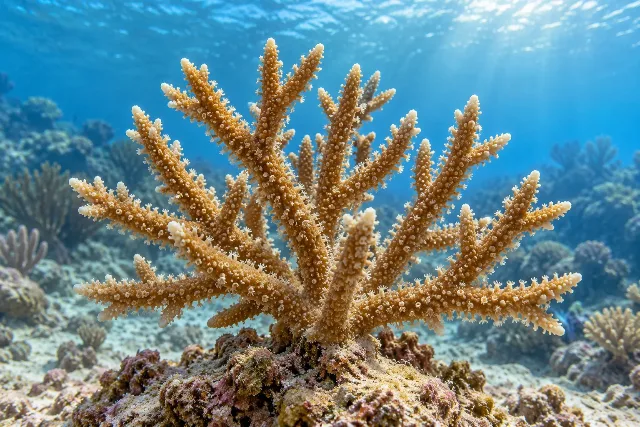 Animal Field Guide
Coral
Corals are animals, and many live together in colonies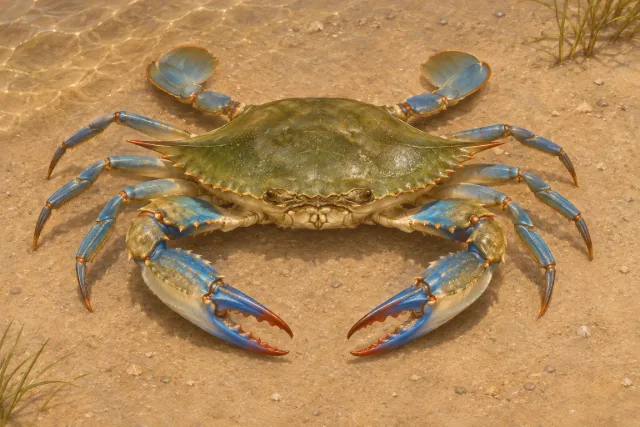 Animal Field Guide
Crabs
A blue crab has flat back legs that work like paddles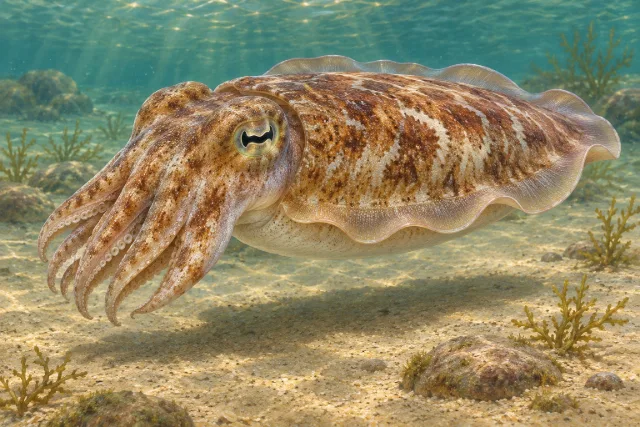 Animal Field Guide
Cuttlefish
Cuttlefish can change their skin’s color, pattern, and texture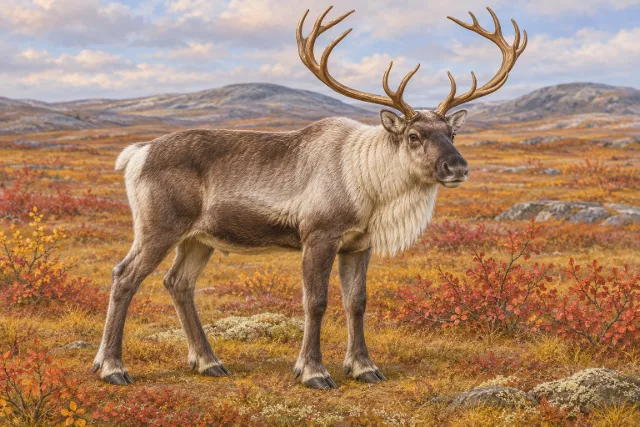 Animal Field Guide
Reindeer
Both male and female reindeer can grow antlers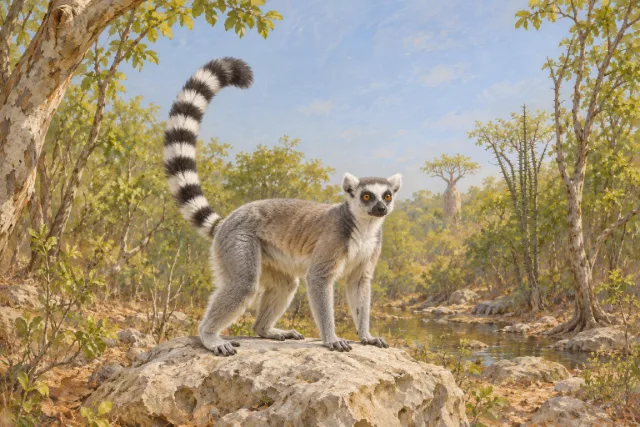 Animal Field Guide
Ring-Tailed Lemur
Ring-tailed lemurs hold their striped tails up as their troop travels
Lox says: There are more amazing animals and habitats waiting to meet you!
Grown-Up GuideLearning goals, privacy, standards, sources and more resources
For parents, caregivers & educators
Explore with confidence
This guide explains what children can learn, how the page approaches privacy, and where its elephant seal information comes from.
✓ STEM.org Accredited✓ NGSS-aligned learning✓ COPPA-conscious design
Learning goals
Compare two elephant seal species, male and female noses, deep diving, and seasonal beach colonies.
Try exploring together
- Find the adult male’s large nose and compare it with the female’s face.
- Draw a seal’s route from an ocean feeding area to a resting beach.
- Compare a mammal’s need for air with a fish’s gills.
Privacy by design
This page uses a data-minimizing, COPPA-conscious approach. It does not ask children for a name, birthdate, email address, account, photo, voice recording, camera, microphone or precise location.
The games work without sign-in, media never autoplays, and embedded videos use YouTube’s privacy-enhanced domain.
Learn about COPPA at the FTC ↗STEM & NGSS connections
Zoobitat’s free wildlife and nature education program has earned the STEM.org Accredited™ Trustmark. This page supports observation, evidence-based discussion and life-science learning.
- 2-LS4-1: Compare the diversity of life in different habitats ↗
- 3-LS4-4: Explain how habitat change affects organisms ↗
Science sources
Elephant Seals facts were checked against the following wildlife organizations and educational references:
- NOAA Fisheries ↗Northern species: sex differences, proboscis, squid and fish diet, dark pups, molt, beach colonies, threats and range.
- Australian Antarctic Program ↗Southern species: oxygen storage, deep diving, female mass as low as 300 kg and seasonal ocean/shore use. Its older conservation label is superseded by IUCN 2026.
- New Zealand Department of Conservation ↗Southern adult females can be 2–3 m; coastal haul-out habitat and claws on foreflippers.
- IUCN — 2026 Red List Update ↗Southern elephant seals changed from Least Concern to Vulnerable in 2026; do not assign one conservation code to both species.
- Animal Diversity Web — Southern Elephant Seal ↗Southern range, torpedo-shaped body, wide rear flippers and adult males about 6 m and 3,700 kg. Older conservation text is superseded.
- Animal Diversity Web — Northern Elephant Seal ↗No external ear flaps, two lobed hind flippers, short coat, solitary at sea and colonies ashore; both day and night activity.
More from Zoobitat
Keep exploring with free educational resources for families, caregivers and educators:
- Free Wildlife Exhibits Download educational exhibit artwork for zoos, aquariums, schools and community spaces.
- Educator Resources Explore free materials created for classrooms, homeschool learning and family discovery.
- Early Readers Meet wildlife through illustrated, kid-friendly Zoobitat Animal Rescue stories.
- Activity Books Continue learning with wildlife-themed puzzles, activities and creative challenges.
- Zoobitat Expeditions Follow conservation adventures and discover animals and habitats in the field.
- Meet the Hosts Discover the zoos, museums, aquariums and other organizations that have hosted Zoobitat’s free, museum-quality wildlife exhibits.
Media & accessibility record
Character and elephant seal visuals are Zoobitat educational assets. Voiceovers require a deliberate play action. Interactive controls have descriptive labels and are keyboard accessible.
Picture credits: Zoobitat Studios, LLC.