
Animal groupBird
Zoobitat’s Animal Field Guide
Meet the Shoebill
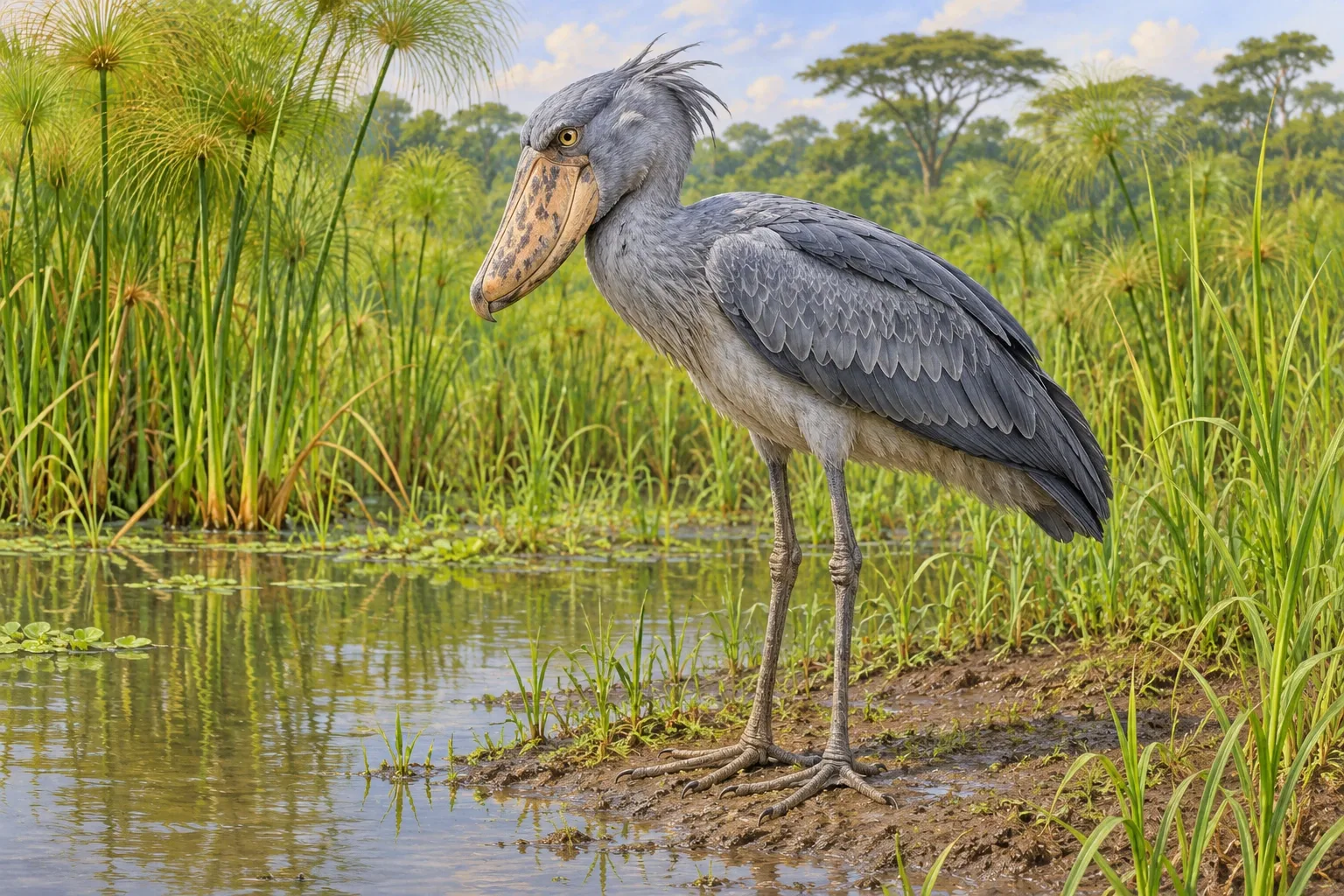
A tall gray bird stands quietly among the reeds. Meet the shoebill, with a bill shaped a little like a shoe.

STEM.org AccreditedEducational wildlife learning for curious explorers ages 4–10
Featured video: The Shoebill
Quick facts
Shoebill Animal File
Scan the essentials, then explore each topic below.
HomeFreshwater marshes and swamps of east-central Africa
DietMostly fish, including lungfish, catfish, and tilapia
Height1.1 to 1.4 meters (3.6 to 4.6 feet) Typical adult standing height; some individuals grow taller.
ConservationVulnerable
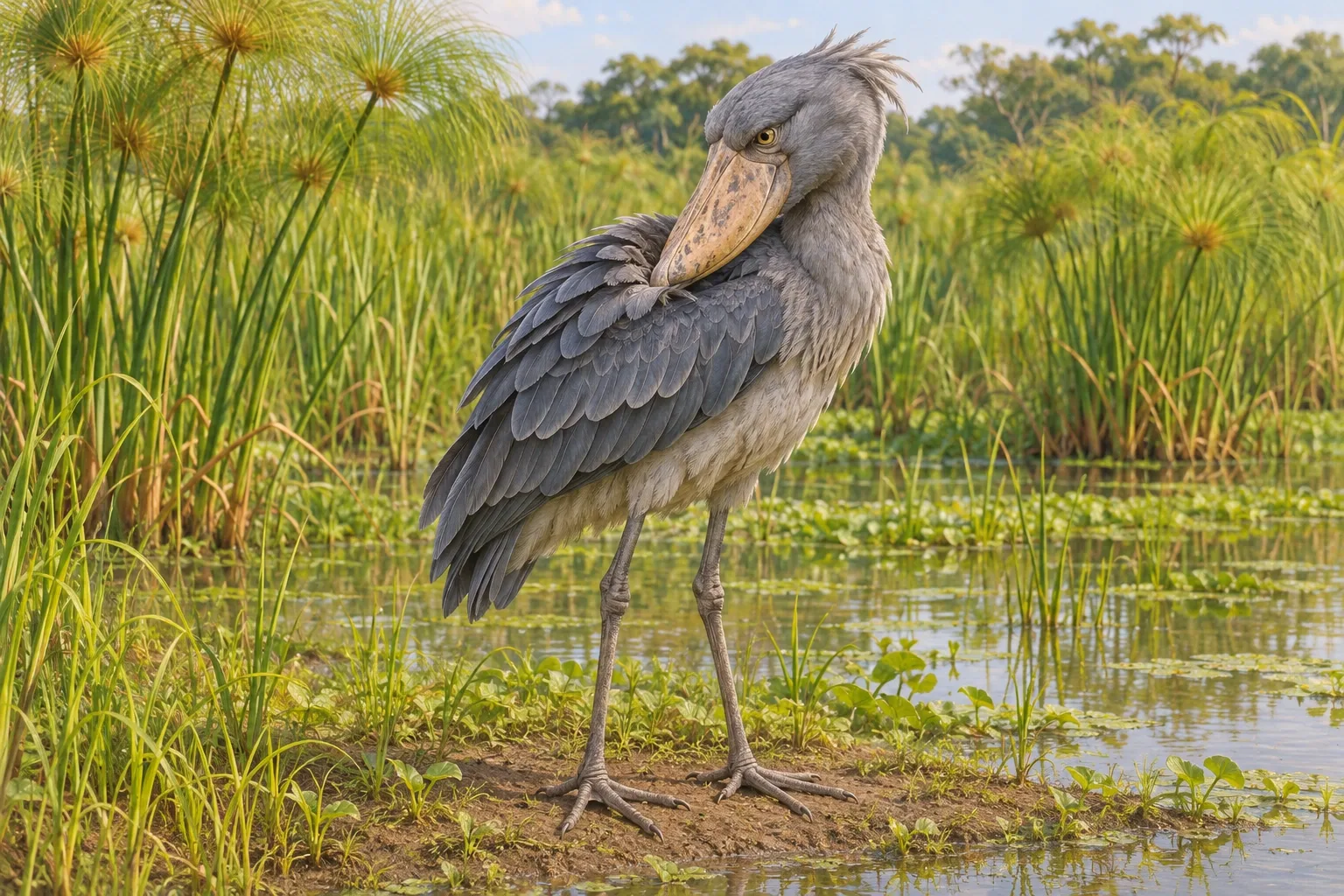
Meet the shoebill
A Patient Bird of the Marsh
Shoebills live in African freshwater marshes with tall reeds and papyrus. They usually look for food alone. These unusual birds are more closely related to pelicans than storks.
Adults commonly stand 110–140 centimeters (3.6–4.6 feet) tall. Their reported adult weight is about 4–7 kilograms (8.8–15.4 pounds). Males are generally larger than females.
A Bill Like a Shoe
The shoebill gets its name from its shoe-shaped bill. A small hook curves down at the tip. This broad, strong bill helps it catch fish.
Patient Fishing
A shoebill can stand very still beside the water. It watches carefully for fish. Then it can move quickly when food comes close.
Long, Separate Toes
A shoebill has very long toes that spread widely. Its toes are separate, with no webbing between them. These feet look different from a duck’s webbed feet.
A Clattering Greeting
A shoebill is often quiet. It can make a clattering sound by tapping its bill together. Adults may clatter when greeting each other at the nest.
Explore its habitat: Freshwater
Watch, listen & learn
Watch, Listen & Learn
Watch, listen and learn about the shoebill with Zoobitat.
Play & learn
Try a Shoebill Challenge
Color a shoebill, build a freshwater habitat, then test what you learned in the quiz.
Try it now
Zoom with +/− or pinch on a touchscreen. Shift-drag to move on desktop.

Color the Shoebill
Fill each area, draw your own details, or erase a change. The shoebill’s outlines always stay clear.
Try it now
Build a Freshwater Habitat
Drag the stickers anywhere in the landscape.
Habitat builder
Freshwater

Choose a sticker to begin building your freshwater.
Try it now
Shoebill Quick Quiz
Use what you learned in A Patient Bird of the Marsh. Get all three answers right to unlock your certificate!
0 of 3 correct
Question 1 of 3
1What gives the shoebill its name?
Your Shoebill CertificateAnswer all three questions correctly, using what you learned above, to unlock it.
Why shoebills matter
Protect the Marsh
Shoebills are Vulnerable, and their numbers are declining. Draining or disturbing wetlands can remove their feeding and nesting places. Protecting marshes helps shoebills and many other wetland animals.
- Keep litter out of waterways with a grown-up.
- Stay on marked paths when your family visits wetlands.
- Watch birds from far away and give nests plenty of space.
- Learn about organizations protecting African wetlands.
More From the Animal Field Guide
 Animal Field Guide
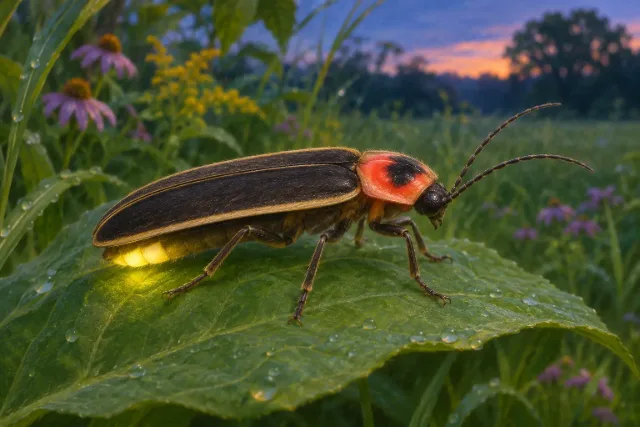
Fireflies
Fireflies are beetles that can make their own light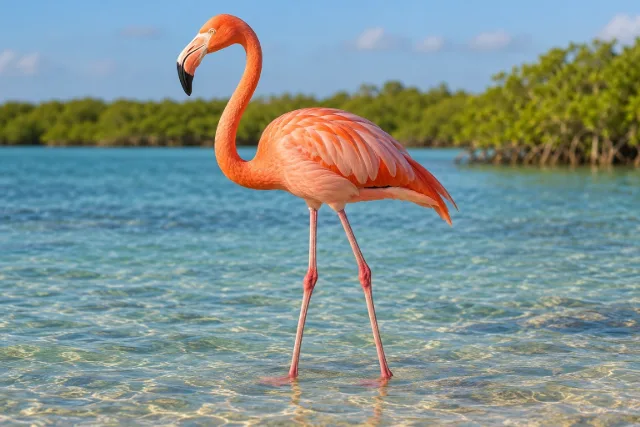 Animal Field Guide
Flamingo
A flamingo filters food with its bill upside down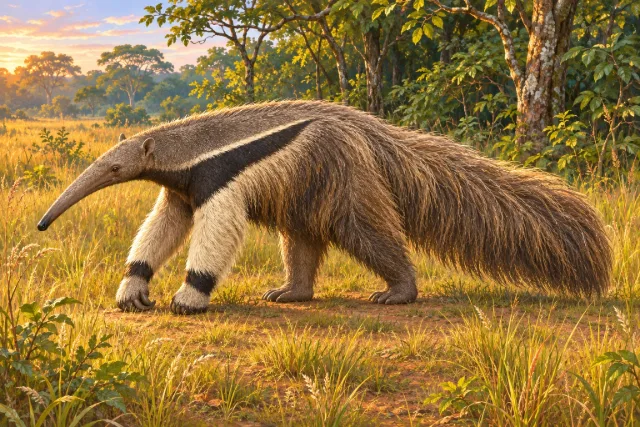 Animal Field Guide
Giant Anteater
A giant anteater has a sticky tongue that can reach about two feet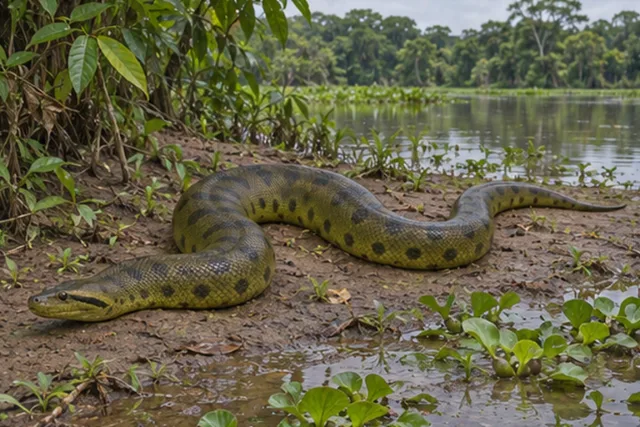 Animal Field Guide
Green Anaconda
A green anaconda can breathe with most of its head underwater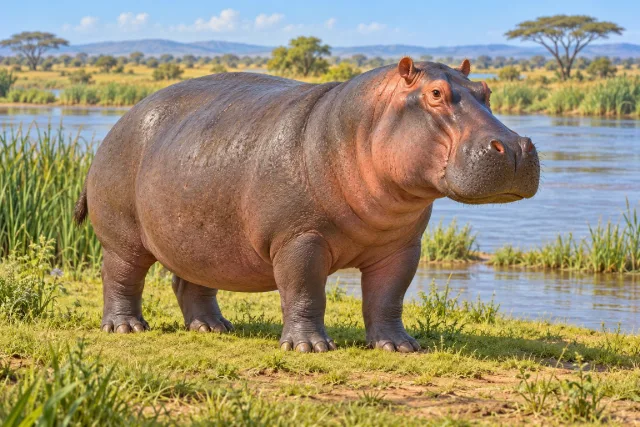 Animal Field Guide
Hippopotamus
A hippo walks and pushes off the river bottom Animal Field Guide
Jaguar
Jaguar rosettes often have small spots inside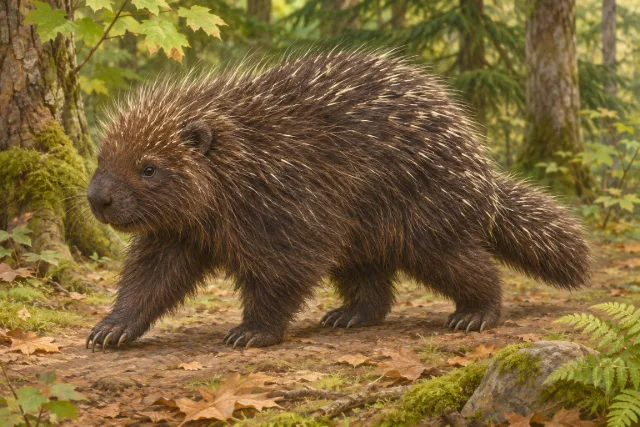 Animal Field Guide
Porcupines
Porcupines cannot shoot their quills Animal Field Guide
Praying Mantis
A mantis can turn its triangular head while keeping its body still

Lox says: There are more amazing animals and habitats waiting to meet you!
Grown-Up GuideLearning goals, privacy, standards, sources and more resources
For parents, caregivers & educators
Explore with confidence
This guide explains what children can learn, how the page approaches privacy, and where its shoebill information comes from.
✓ STEM.org Accredited✓ NGSS-aligned learning✓ COPPA-conscious design
Learning goals
Children explore shoebill bills, patient fishing, unwebbed toes, bill clattering, and freshwater wetland conservation.
Try exploring together
- Compare the shoebill’s bill shape with a picture of a wooden shoe.
- Compare its separate toes with a duck’s webbed feet.
- Stand still together and notice small movements around you.
Privacy by design
This page uses a data-minimizing, COPPA-conscious approach. It does not ask children for a name, birthdate, email address, account, photo, voice recording, camera, microphone or precise location.
The games work without sign-in, media never autoplays, and embedded videos use YouTube’s privacy-enhanced domain.
Learn about COPPA at the FTC ↗STEM & NGSS connections
Zoobitat’s free wildlife and nature education program has earned the STEM.org Accredited™ Trustmark. This page supports observation, evidence-based discussion and life-science learning.
- 2-LS4-1: Compare the diversity of life in different habitats ↗
- 3-LS4-4: Explain how habitat change affects organisms ↗
Science sources
Shoebill facts were checked against the following wildlife organizations and educational references:
- San Diego Zoo Wildlife Alliance — Shoebill Facts ↗Shoe-shaped bill, patient fishing and modern relationship to pelicans.
- Tokyo Zoological Park Society — Shoebill ↗Adult standing height, fish foods, bill shape and natural movements.
- University of Michigan — Shoebill ↗Long unwebbed toes, daytime activity, retracted neck in flight, clattering, papyrus marshes, tilapia prey and nesting. Older taxonomy and conservation prose were not used.
- BirdLife International — Shoebill ↗Freshwater range, solitary foraging, nest plants, Vulnerable status, declining population and wetland threats.
- IUCN Red List — Shoebill ↗Official indexed assessment: Vulnerable, decreasing, assessed 13 August 2018; assessment metadata checked in November 2026.
- Chiba Zoological Park — Shoebill Profile ↗March 2026 municipal zoo profile supplies the adult body-mass range. Its conflicting wingspan figure was not used.
More from Zoobitat
Keep exploring with free educational resources for families, caregivers and educators:
- Free Wildlife Exhibits Download educational exhibit artwork for zoos, aquariums, schools and community spaces.
- Educator Resources Explore free materials created for classrooms, homeschool learning and family discovery.
- Early Readers Meet wildlife through illustrated, kid-friendly Zoobitat Animal Rescue stories.
- Activity Books Continue learning with wildlife-themed puzzles, activities and creative challenges.
- Zoobitat Expeditions Follow conservation adventures and discover animals and habitats in the field.
- Meet the Hosts Discover the zoos, museums, aquariums and other organizations that have hosted Zoobitat’s free, museum-quality wildlife exhibits.
Media & accessibility record
Character and shoebill visuals are Zoobitat educational assets. Voiceovers require a deliberate play action. Interactive controls have descriptive labels and are keyboard accessible.
Picture credits: Zoobitat Studios, LLC.